





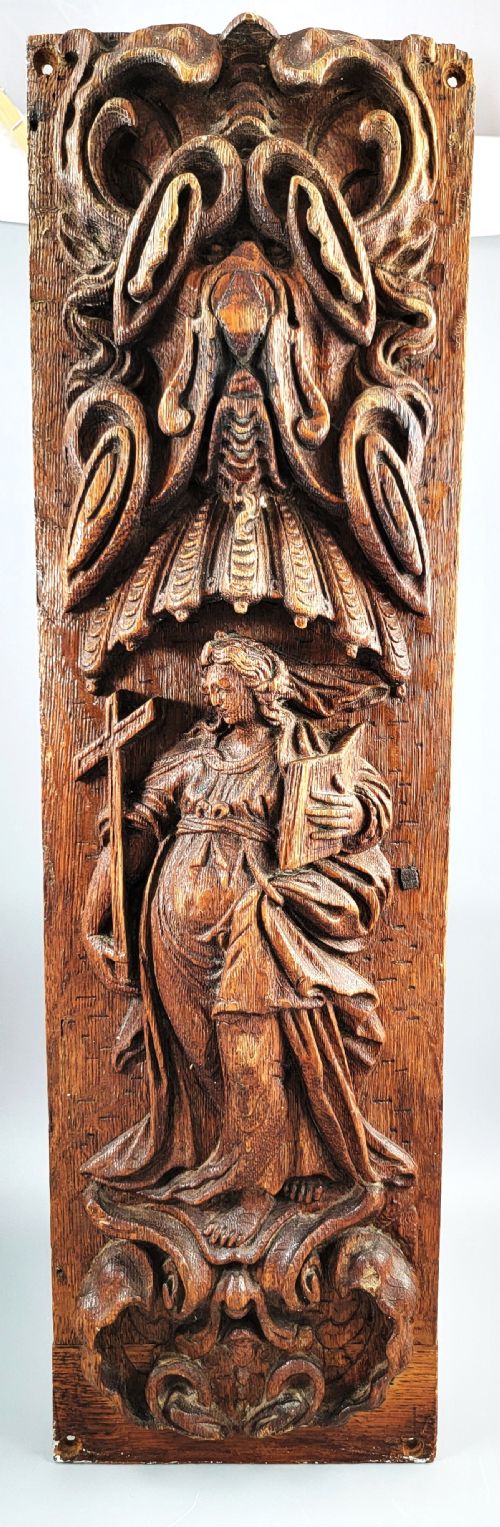
Flemish Carved Panel
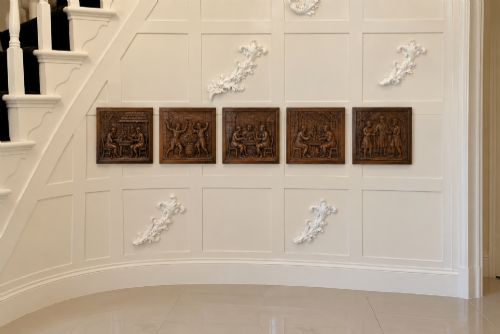
These flemish carved panel examples bring deep, tactile history into a room through rich oak relief work.
Flemish Carved Panel
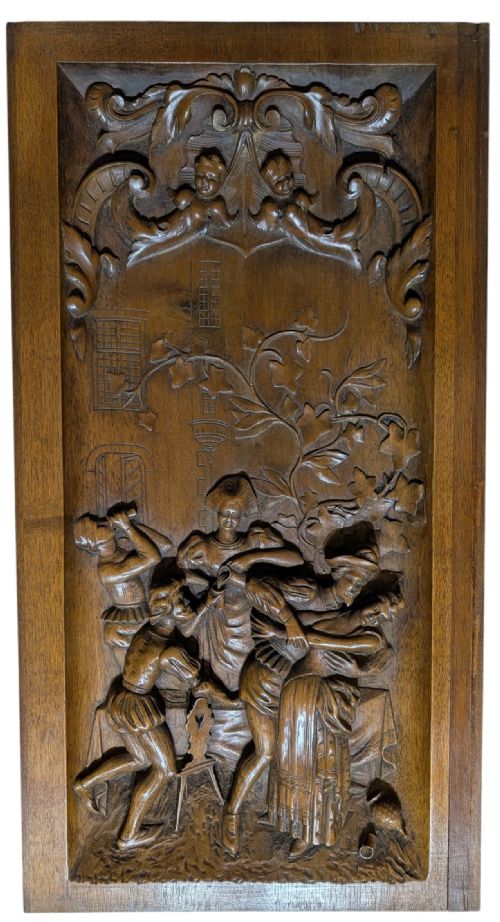
A flemish carved panel is typically a dense oak relief depicting allegories, tavern scenes, cherubs, or botanical motifs from the sixteenth to the nineteenth century. These architectural fragments and cabinet components carry the unmistakable weight of Northern Renaissance and Baroque traditions.
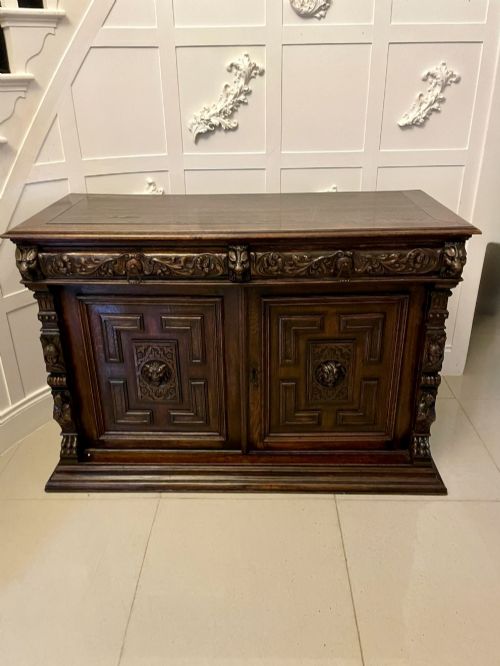
Buyers mostly encounter seventeenth-century oak fragments alongside later nineteenth-century revival interpretations created during the Victorian period. They appear singly, in pairs, or as sets incorporated into larger furniture like sideboard doors and cabinet fronts.
The regional carvers utilised local timber to build high-relief compositions that survive as wall carvings, settle backs, and independent wall reliefs. Each piece reflects the deep theological and secular interests of Flemish workshops across several centuries.
How they were made
Makers carved these works primarily from solid oak using gouges and chisels to achieve strong, dramatic undercut reliefs. The natural grain of the timber dictates how the light plays across drapery, foliage, and figures.
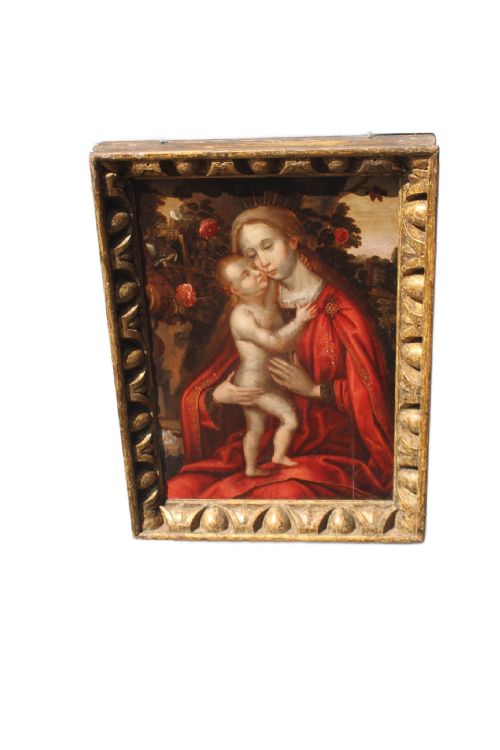
Some panels integrate secondary materials like brass, rosewood, ebony, or giltwood highlights to enhance the depth of the composition. Surface finishes developed through decades of wax and handling, leaving a warm patina across the wood.
Flemish Carved Panel Retail Price Guide 2026
Typical asking prices for flemish carved panel among the pieces listed under this phrase on Sellingantiques today, from the lower quarter to the upper quarter. They describe what is for sale here now, not the wider market.
Listings feature oak panels spanning the sixteenth, seventeenth, and eighteenth centuries alongside Victorian Gothic revival interpretations.
What varies in quality
The distinction between ordinary and exceptional carving lies in the crispness of the undercutting and the expressive depth of the figures. Master carvers rendered anatomy and facial details with vitality, whereas lesser workshops produced stiff, shallow repetitions.
Age and original context also determine value, as genuine seventeenth-century panels retain tool marks and timber shrinkage absent in later revival copies. The complexity of the subject matter, from simple floral borders to detailed allegorical scenes, sets the finest examples apart.
The Flemish Carved Panel Glossary
- Relief
- A sculptural technique where figures project from a flat background. High relief creates deep shadows and near-three-dimensional forms.
- Allegory
- A symbolic narrative representation used in seventeenth-century art to convey abstract ideas like Faith through physical figures.
- Putto
- A figure of a small chubby infant, often winged, frequently depicted blowing horns or accompanying cherubs in Baroque panels.
- Renaissance Revival
- A nineteenth-century style that revived sixteenth-century forms, visible in Victorian interpretations of earlier Flemish motifs.
- Kast
- A large traditional Dutch or Flemish wardrobe or cupboard, often constructed with heavy architectural mouldings and panels.
Flemish Carved Panel: Frequently Asked Questions
How were these panels originally used?
These panels functioned primarily as structural components of furniture like sideboards, kasts, and settles, or as decorative wood panelling set directly into interior walls.
Over time, many were removed from larger architectural settings to be displayed independently as wall art.
How do I hang a heavy oak panel?
Mounting requires heavy-duty fixings screwed securely into structural wall studs or masonry, given the dense weight of old oak.
Professional picture framers often supply custom wooden battens or french cleats designed to distribute the load safely.
How do I tell seventeenth century from Victorian revival?
Seventeenth-century pieces display hand-cut joinery, oxidized timber surfaces, and tool marks left by early chisels.
Victorian revival panels often show machine-sawn edges behind the relief and a different quality of surface wear.
How should I clean carved oak?
Maintenance requires only a soft, dry brush to remove dust from the deep recesses of the carving without disturbing the wood.
Harsh chemical polishes and liquid cleaners should be avoided to protect the aged patina.