

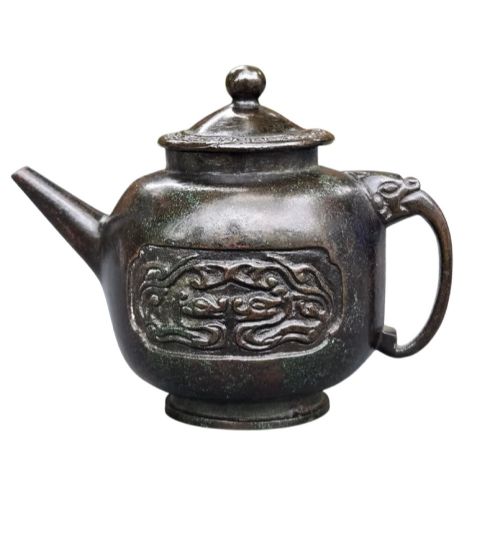
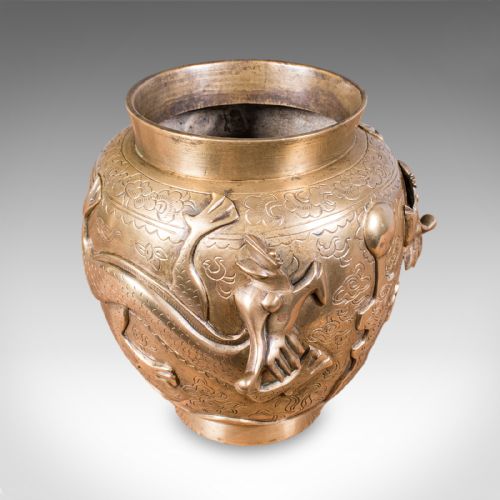


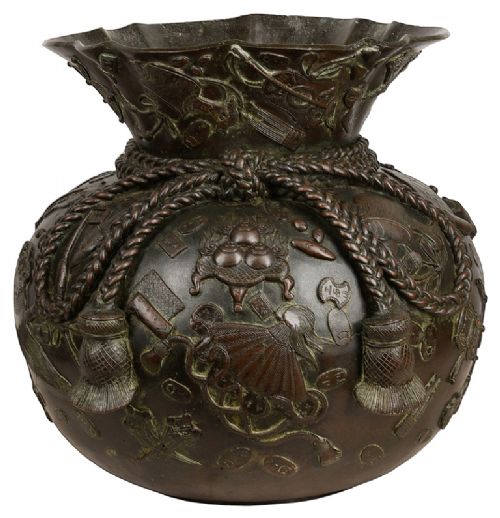


Relief Cast Bronze Pot
These relief cast bronze pot pieces bring tactile weight and intricate surface detail to a room, offering enduring craftsmanship from nineteenth century workshops.
Relief Cast Bronze Pot
A relief cast bronze pot represents a distinct category of heavy decorative vessels and jardinieres shaped during the nineteenth century. When you search for a relief cast bronze pot, you encounter items designed for horticulture, ritual, or display, originating from Japanese Meiji and Edo periods alongside Chinese Qing Dynasty workshops.
The versions most commonly found here include large jardinieres and planters intended for interior display, alongside occasional vases and censers. These heavy vessels frequently feature raised surface ornamentation created through meticulous casting and chasing techniques.
Originating largely from Asian export markets and Victorian domestic collections, these pieces blend traditional Eastern motifs with the nineteenth century British taste for ornamental metalwork. Their substantial weight and durable bronze construction mark them out as centrepieces for period interiors.
What varies in quality
The distinction between ordinary and exceptional examples rests upon the crispness of the relief casting and the depth of the chasing. Superior pieces display sharply defined motifs without the softness or pitting that marks hurried foundry work.
Wall thickness and overall heft also define quality, with finer specimens utilising substantial amounts of bronze to create heavy, stable vessels. The harmony of the patination and the refinement of subsidiary details, such as finials or handles, complete the hierarchy.
Relief Cast Bronze Pot Retail Price Guide 2026
Typical asking prices for relief cast bronze pot among the pieces listed under this phrase on Sellingantiques today, from the lower quarter to the upper quarter. They describe what is for sale here now, not the wider market.
Object forms on this page include jardinieres, planters, decorative vessels, vases, and censers.
The Relief Cast Bronze Pot Glossary
- Jandiniere
- A large ornamental pot or bowl designed to hold plants or flowers. These items often feature wide rims and heavy bronze walls suitable for interior display.
- Meiji Period
- A Japanese historical era spanning from eighteen sixty-eight to nineteen twelve. Pieces from this time often exhibit exceptional metalworking skill and traditional iconography.
- Qing Dynasty
- The final imperial dynasty of China, lasting until nineteen twelve. Bronze vessels from this era frequently incorporate archaic forms and ritual motifs.
- Censer
- A vessel intended for burning incense during ceremonies. These objects often include pierced lids and sculptural finials such as fu lions.
- Patination
- The natural or chemical alteration of a metal surface over time. Artisans manipulate this process to achieve rich, stable colours on bronze.
Relief Cast Bronze Pot: Frequently Asked Questions
What is a relief cast bronze pot used for?
These vessels primarily served as decorative planters, jardinieres, or ceremonial incense burners in nineteenth century interiors. Their robust construction allowed them to hold heavy soil and plants or contain burning incense safely.
Today, collectors use them as standalone decorative objects or functional plant holders in traditional and contemporary spaces alike.
How do I identify a Meiji period bronze?
Meiji period bronzes typically originate from Japan between eighteen sixty-eight and nineteen twelve, displaying distinct stylistic influences from that era. They often feature naturalistic motifs, birds, foliage, or figures rendered in sharp relief.
Examining the casting quality and surface patination helps confirm the Japanese origin and period of manufacture.
Are these pots made of solid bronze?
The pieces listed are cast from bronze or related copper alloys, resulting in heavy, rigid structures. Foundry workers poured the molten metal into moulds to achieve thick walls that could support detailed exterior relief work.
Weight is a reliable indicator of this solid metal construction, with larger examples weighing several kilograms.
How should I clean a antique bronze pot?
Antique bronze requires minimal intervention to preserve its historic surface patination and finish. Dusting with a soft, dry cloth is usually sufficient for regular maintenance.
Avoid using abrasive metal polishes or harsh chemical cleaners, as these can strip away the aged patination that defines the character of the piece.