





Edo Period Bronze Vessel
An edo period bronze vessel brings centuries of Japanese metalwork into your home, prized for its tactile weight and dark patina.
Edo Period Bronze Vessel
When you search for an edo period bronze vessel, you encounter a range of forms designed for ritual, display, and daily utility in traditional Japanese interiors. These objects include sake kettles, incense burners, decorative bowls, and large planters or jardinieres.
The pieces on this page span the Edo period and the nineteenth century, reflecting both native Japanese aesthetics and later cross-cultural influences that reached Britain during the Victorian and Georgian eras.
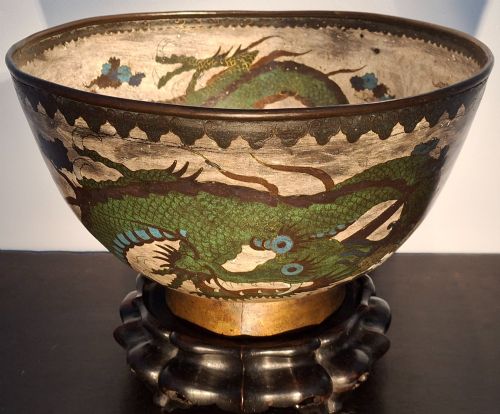
You are most likely to meet substantial bronze planters and smaller lidded vessels featuring rich metallic surfaces, sometimes augmented with enamel or cloisonne lids.
How they were made
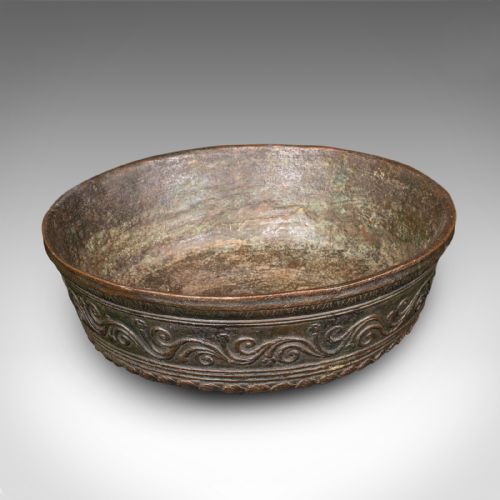
These vessels rely on traditional metalworking techniques, primarily utilising cast bronze and copper alloy to achieve durable, resonant bodies with varied wall thicknesses. Metalworkers poured molten bronze into moulds before refining the surface through chiselling, polishing, and chemical patination.
Some examples incorporate enamel and cloisonne work, fusing coloured vitreous pastes within wire compartments on lids or decorative bands to provide contrast against the dark bronze ground.
Edo Period Bronze Vessel Retail Price Guide 2026
Typical asking prices for edo period bronze vessel among the pieces listed under this phrase on Sellingantiques today, from the lower quarter to the upper quarter. They describe what is for sale here now, not the wider market.
Keep an eye out for fierce dragons cast into the bronze, standing guard over your living room ferns.
What varies in quality
The distinction between ordinary and exceptional work lies in the crispness of the casting and the depth of the metal finish. Finer vessels display precise detailing in relief work, such as dragons or plant motifs, without the softness or pitting that signals a rushed production.
Proportion and balance also set the better pieces apart, ensuring that handles, lids, and pedestals integrate harmoniously with the main body of the vessel.
The Edo Period Bronze Vessel Glossary
- Edo Period
- The period in Japanese history spanning from 1603 to 1868, characterised by economic growth, strict social order, and the flourishing of arts and crafts. Pieces from this era often display refined regional casting traditions.
- Jardiniere
- A large decorative pot or planter designed to hold growing plants or floral arrangements. In these listings, they appear as heavy bronze bowls meant for interior display.
- Cloisonne
- An enamelwork technique where metal wire is soldered to a metal base to create compartments for coloured pastes. It frequently appears on the lids of sake kettles and bowls.
- Suiban
- A shallow Japanese basin traditionally used for water or flower arrangements, such as Ikebana. These bronze vessels form a stable base for display.
- Censer
- A vessel designed for burning incense, typically featuring a fitted lid and openwork or venting to release fragrance. Many surviving examples double as decorative bowls.
Edo Period Bronze Vessel: Frequently Asked Questions
How do I clean an old bronze vessel?
Dust the surface gently with a soft, dry brush to prevent the accumulation of grit in recessed areas. Avoid using metal polishes, harsh detergents, or water, as these can strip the historic patina.
If the metal requires more attention, consult a professional conservator rather than attempting home remedies. Preserving the natural oxidation protects the integrity of the surface.
What is a tearai?
A tearai is a traditional Japanese vessel, often translated as a hand-washing basin, utilised in domestic or monastic settings. In a modern interior, these heavy bronze bowls function well as decorative centrepieces or display items.
Their deep proportions and sturdy bases reflect their original utilitarian purpose. They provide a tangible link to historical Japanese daily life.
How do I date an edo bronze?
Dating relies on examining the casting method, the style of the decoration, and any recorded provenance or associated periods like the Georgian or Victorian eras. Earlier pieces often exhibit simpler, archaic forms, while later nineteenth-century examples may incorporate more ornate surface details.
Comparing the wear patterns on the base with known examples helps establish a timeline. Subtle shifts in metal composition and patination also guide the assessment.