
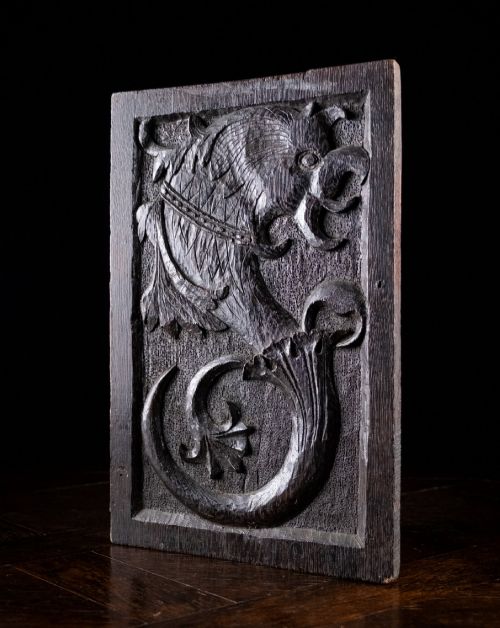
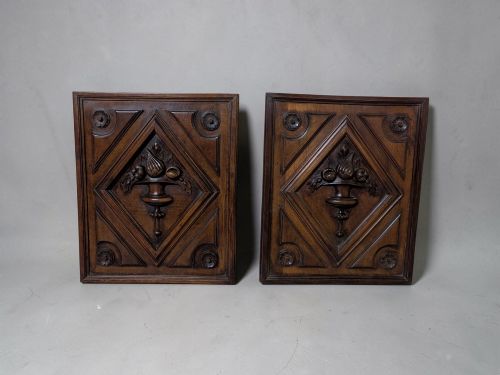
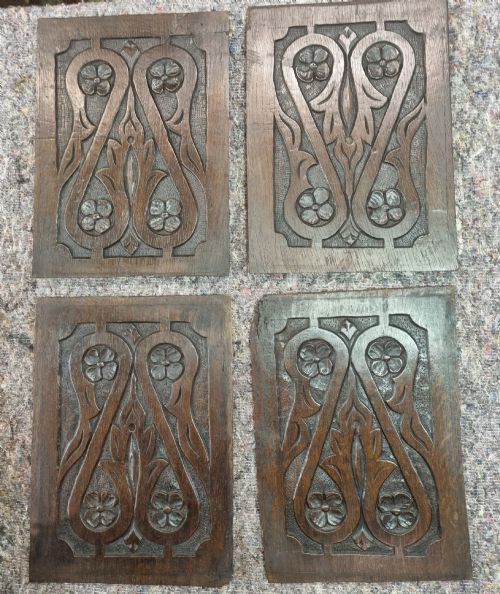
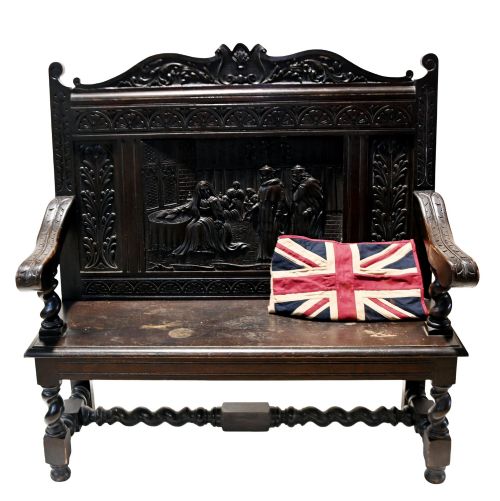
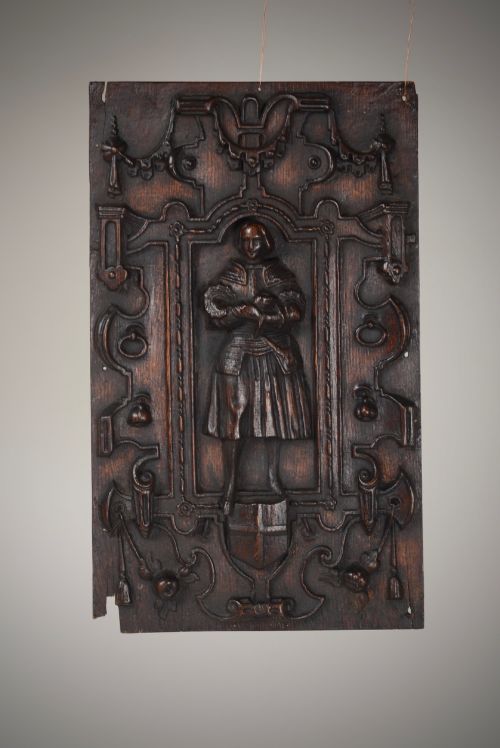
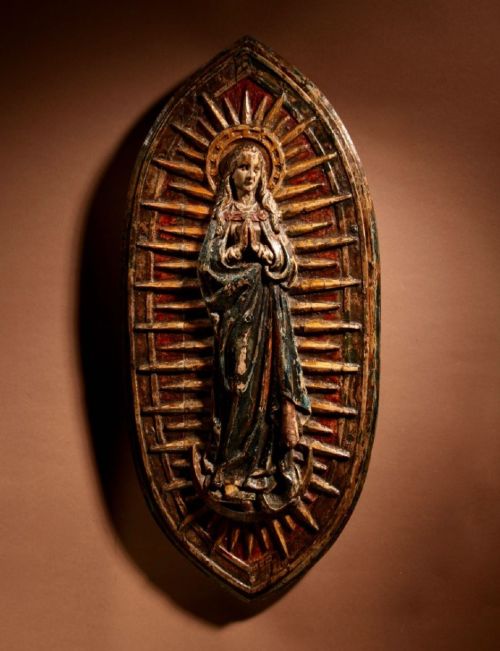
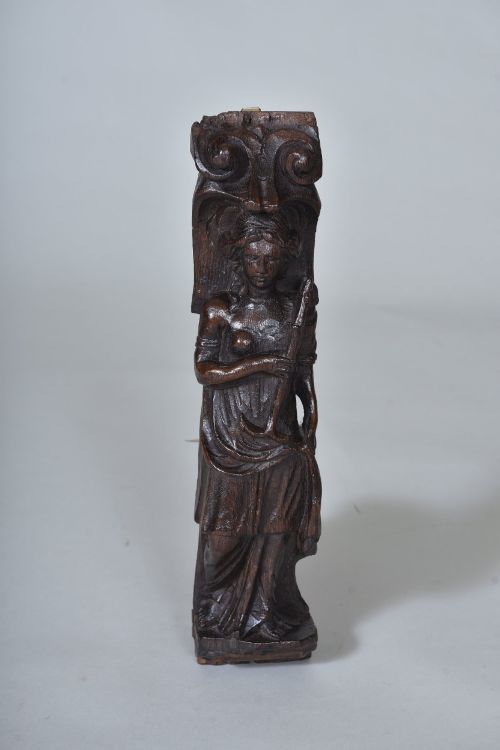
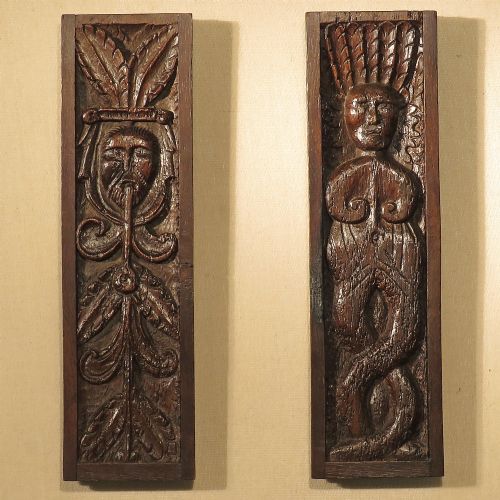
Relief Carved Wood Panel
These pieces bring texture and historical weight to a room, and a relief carved wood panel offers a tangible connection to centuries of joinery and sculpture.
Relief Carved Wood Panel
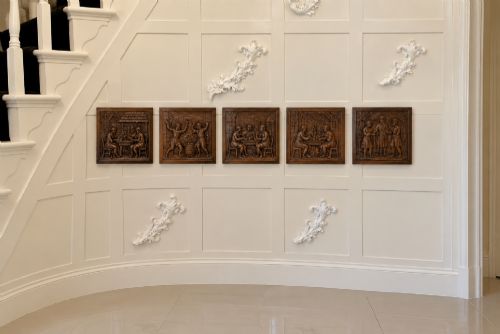
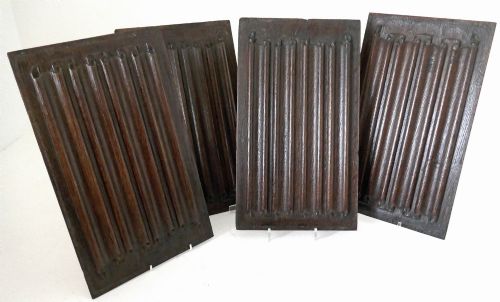
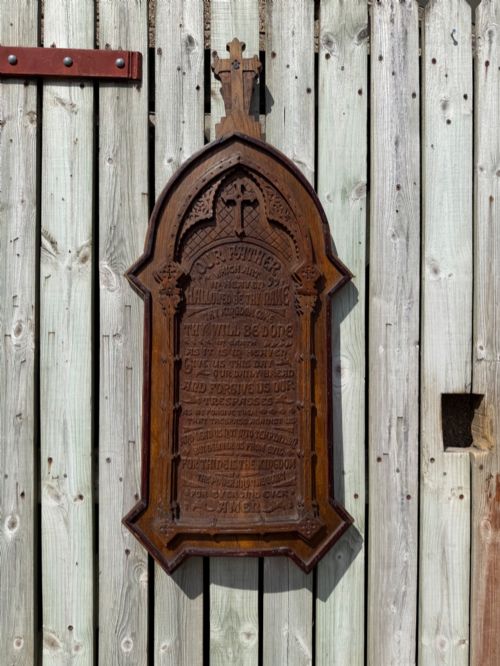
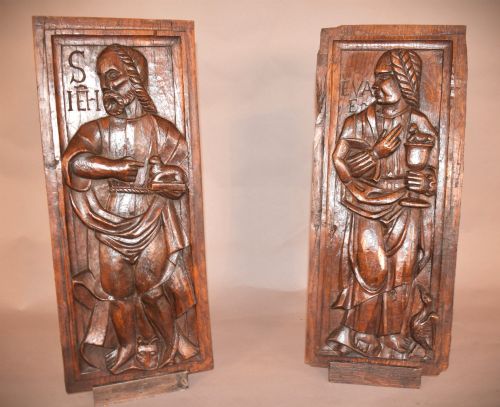
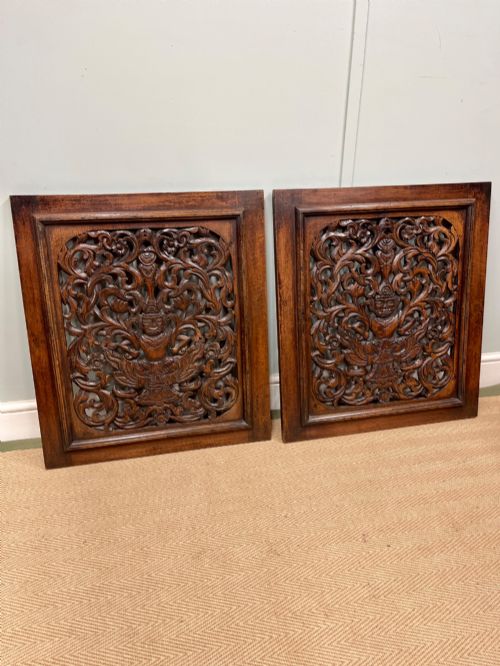
When you search for a relief carved wood panel, you encounter architectural fragments, repurposed wall art, and devotional plaques drawn from centuries of craftsmanship. The selection ranges from early oak linenfold designs to later decorative Chinese temple carvings and European wall plaques.
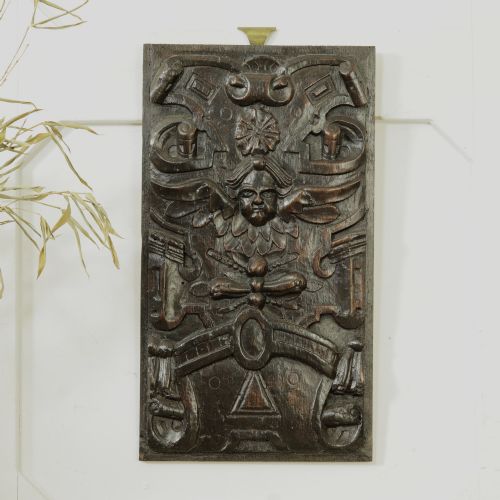
Many items originate as salvaged elements from furniture, altarpieces, or interior architectural schemes. Buyers most frequently meet pieces fashioned from dense timbers like oak and walnut, often retaining traces of their original function.
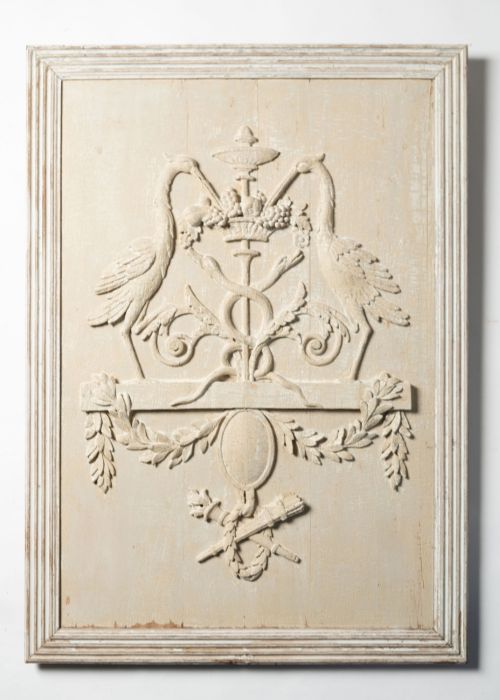
The forms span vertical wall panels, horizontal friezes, and central sculptural groups. Each object reflects the stylistic language of its period, moving between Gothic rigidity, Baroque movement, and Neoclassical symmetry.
How They Were Made
Carpenters and carvers shaped these pieces primarily using hardwoods such as oak, walnut, chestnut, fruitwood, and limewood. The choice of timber dictated the depth and sharpness achievable in the carving.
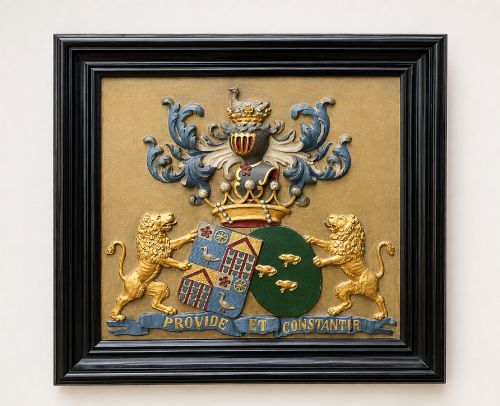
Surfaces were frequently finished with gesso, gold leaf, paint, or polychrome decoration to enhance the visual impact of the relief. Hand tools including gouges and chisels created the undercut layers and textured backgrounds characteristic of high-relief work.
The listings here span eight centuries of woodworking traditions, featuring oak, walnut, chestnut, and limewood across multiple European and Asian origins.
What Varies in Quality
The depth of the carving and the crispness of the chisel work distinguish standard decorative timber from exceptional sculptural pieces. Master carvers achieved anatomical precision and naturalistic folds in drapery that lesser workshops missed.
The integrity of the remaining surface treatment, such as original polychrome paint or parcel gilding, elevates an object's historical standing. Condition and the retention of primary structural elements determine how well a piece preserves its original decorative intent.
Van Rijckevorsel And Verheijen·Thomas Chippendale·Grinling Gibbons
The Relief Carved Wood Panel Glossary
- Relief carved wood panel
- A flat wooden board ornamented with designs raised above the general plane, creating depth and shadow. These pieces frequently served as wall decorations or cabinet components.
- Linenfold
- A style of wood carving representing folded linen, popular on sixteenth-century panels. This geometric motif mimics stiff fabric arranged in vertical vertical folds.
- Polychrome
- The practice of decorating architectural elements and sculptures in a variety of colours. Artisans applied pigment over gesso grounds to bring realism to carved figures.
- Gesso
- A plaster mixture used as a smooth base for paint or gold leaf application on wood surfaces. It provides a prepared ground that holds fine details.
- Trumeau
- A large decorative mirror or panel placed between windows or above a mantelpiece. These architectural elements often incorporate painted scenes or carved woodwork.
Relief Carved Wood Panel: Frequently Asked Questions
How were these panels originally used in interiors?
Carpenters integrated these panels into wall wainscoting, church altarpieces, and large cabinet furniture. They provided both insulation and visual splendour for grand domestic and ecclesiastical spaces.
Over time, many of these architectural elements were detached from their original structures and mounted as independent wall art.
What is the difference between high relief and low relief?
High relief carving projects significantly from the background plane, sometimes with figures almost completely detached from the timber base. This technique creates dramatic shadows and strong three-dimensional form.
Low relief, or bas-relief, keeps the carved elements closer to the flat surface. Artisans utilised this method for subtle ornamentation where depth was restricted by function.
How should I hang a heavy wooden panel safely?
Mounting heavy timber requires fixing directly into wall studs or utilising robust masonry fixings appropriate for the weight of the hardwood. Professional assessment of the hanging point prevents strain on historical joints.
Ensure the hanging hardware accommodates the specific dimensions and backing structure of the panel without altering the original wood.
How do I care for antique carved timber?
Maintain stable indoor humidity levels to prevent the timber from drying out, cracking, or warping over time. Avoid placing panels near direct heat sources or in prolonged direct sunlight.
Dust gently with a dry, soft brush rather than utilising chemical polishes that might damage aged wax, paint, or gesso surfaces.