


Relief Carved Coffer
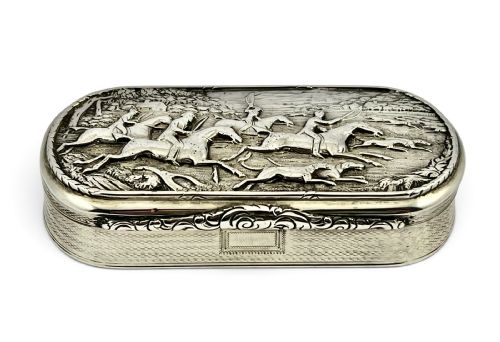
These relief carved coffer pieces are robust storage chests and panels built from oak, camphor wood, and teak, offering deep historical character for any interior.
Relief Carved Coffer
A relief carved coffer or related chest serves as a substantial storage container or decorative panel, appearing frequently in sturdy oak and fragrant camphor wood. These forms span from the sixteenth century to the early twentieth century, incorporating styles such as Jacobean, Tudor, and Chinese Export.
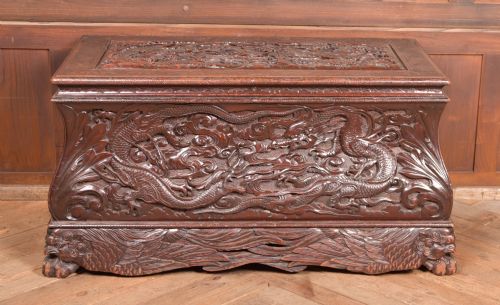
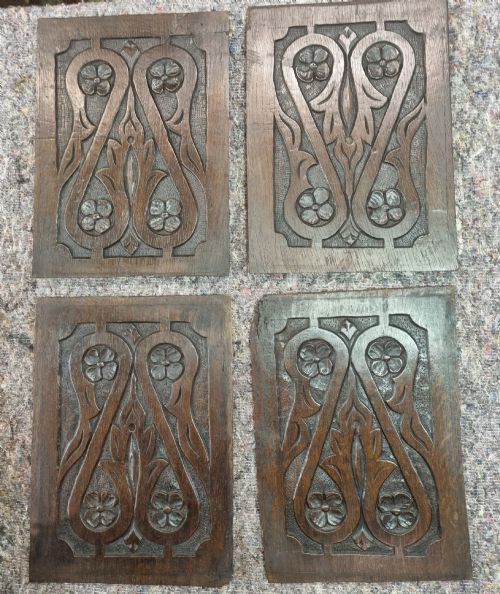
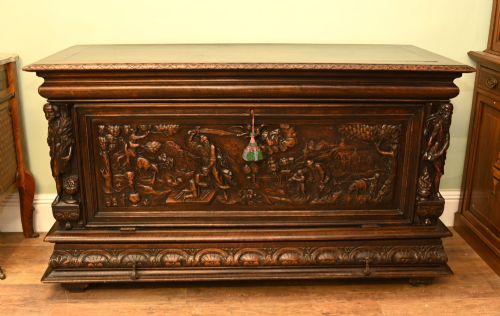
Buyers will encounter various incarnations ranging from seventeenth-century oak panels and blanket chests to nineteenth-century teak storage chests and Chinese camphor trunks. The selection balances utilitarian storage vessels with architectural wood panels intended for wall mounting.
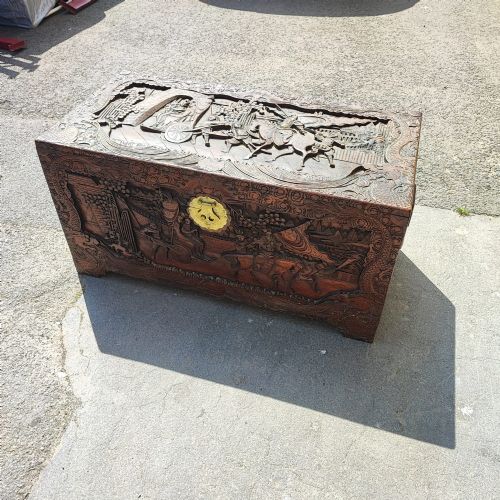
Origins stretch across English, Chinese, and Indian workshops, presenting distinct regional carving traditions. The heavy oak examples reflect European joinery, while the oriental trunks display deeply worked botanical and figurative motifs in camphor wood.
Judging the work
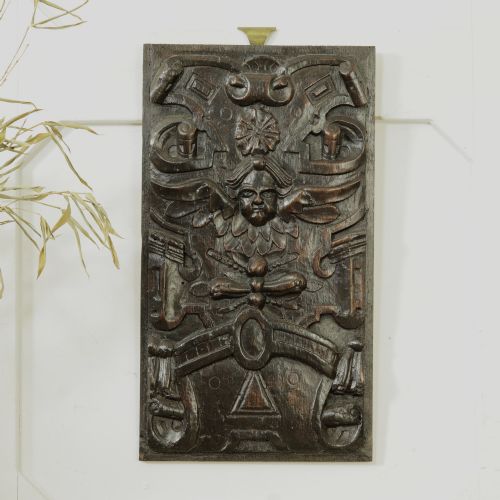
Quality rests upon the crispness and depth of the hand carving, where sharply defined edges and well-proportioned figures distinguish superior examples from softer, shallower cutting. The architectural balance of panels and the tight construction of box joints govern the integrity of each piece.
The choice and preservation of primary timbers dictate longevity, with unwarped panels and intact original brass fittings elevating the piece. Rich natural patina on the oak and sound aromatic qualities in the camphor wood denote careful historical preservation.
Listings feature periods spanning from the sixteenth century through to 1930, predominantly constructed from oak and camphor wood.
The Relief Carved Coffer Glossary
- Relief carving
- A sculptural technique where figures or patterns project from a flat background. This method defines the surface decoration across the panels and chests.
- Linenfold
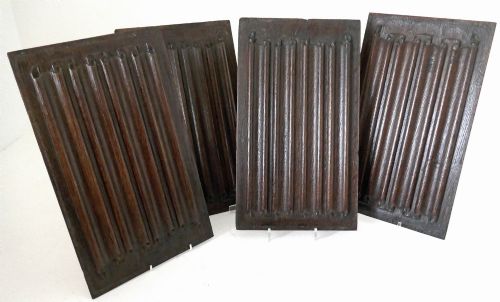
- A style of wood carving that imitates folded linen cloth, commonly seen on sixteenth-century panels. It provides a distinct textured facade.
- Camphor wood
- An aromatic hardwood favoured for storage chests due to its insect-repellent properties. It forms the base of numerous oriental trunks.
- Settle
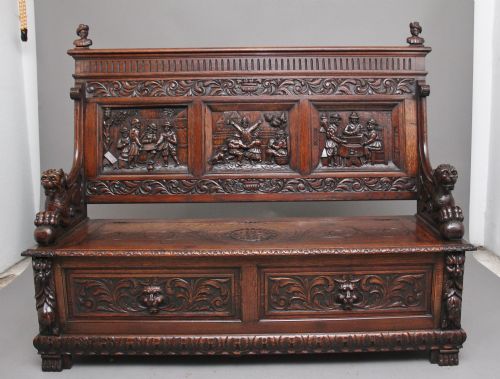
- A wooden bench with a high back, solid arms, and often a storage compartment beneath the seat. Examples in the evidence combine seating with carved oak panels.
- Jacobean
- An English architectural and decorative style spanning the early seventeenth century, characterised by rigid symmetry and strapwork. It influences several oak chests and panels.
Relief Carved Coffer: Frequently Asked Questions
What is a relief carved coffer used for?
These pieces function primarily as sturdy storage chests for blankets, linens, and personal possessions, while wall panels serve a purely decorative architectural purpose.
In domestic settings, larger chests double as functional furniture surfaces or hallway benches depending on their specific form.
How do I care for antique camphor wood?
Keep the wood away from direct heat sources and strong sunlight to prevent the natural oils from drying out and causing splits in the timber.
Dust the carved surfaces regularly with a dry cloth and avoid applying modern polishes that can seal or damage the grain.
How do I identify sixteenth-century oak panels?
Sixteenth-century oak panels typically display early linenfold or geometric hand carving executed with visible tool marks across heavy native timber.
They exhibit the darker colour and dry surface texture characteristic of early English joinery before later revival periods.
Where were oriental camphor chests made?
Camphor wood chests originate from Chinese and wider oriental workshops, often produced for export markets during the nineteenth and early twentieth centuries.
These trunks feature dense botanical carvings and hand-wrought brass hinges suited for long-distance transport.