

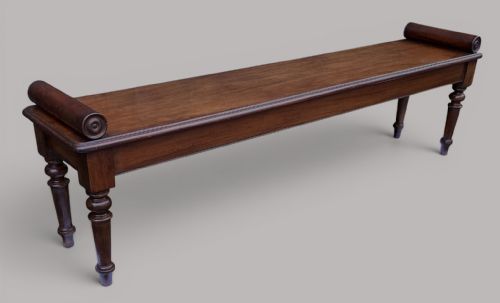


Regency Wooden Bench
A regency wooden bench offers enduring seating with classical proportion, combining the structural integrity of native and exotic timbers with the refinement of the period.
Regency Wooden Bench
A regency wooden bench brings classic seating to hallways, living spaces, and windows, drawing on forms produced across the nineteenth century. Buyers seeking this phrase encounter window seats, hall benches, and daybeds spanning the regency era into later Victorian revivals.
Makers of the period worked in mahogany, satinwood, and pine, often adapting designs to suit specific domestic interiors. The examples available range from crisp architectural window seats to longer hallway benches designed for corridors and grand rooms.
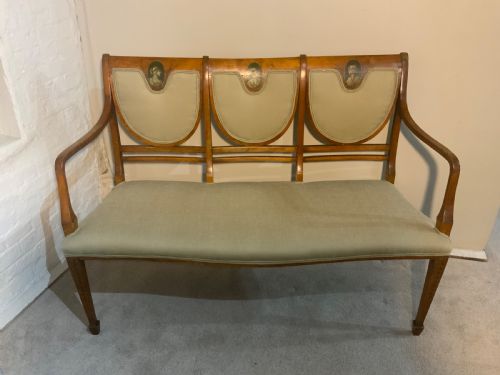
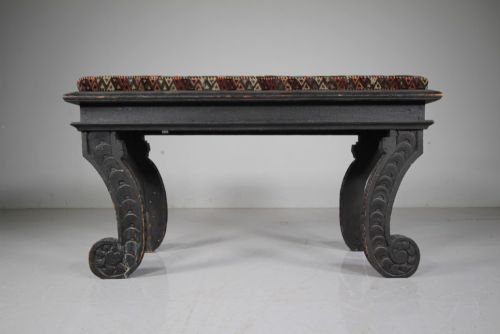
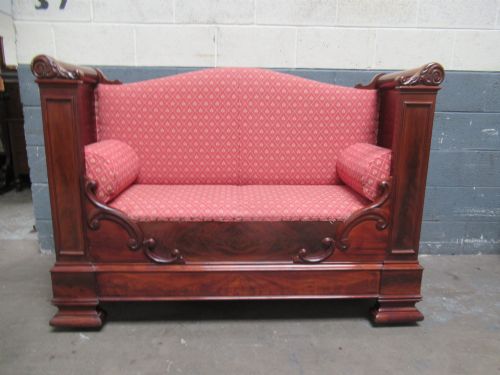
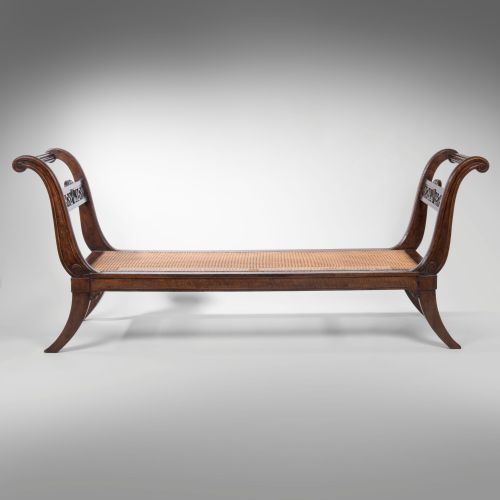
The selection includes variations such as chair-back settees, X-frame supports, and open-framed daybeds. These forms reflect both English craftsmanship and broader European influences recorded across the inventory.
How they were made
Cabinet makers utilised dense hardwoods like mahogany and satinwood, alongside softer painted pine, selecting each timber for its grain and structural capability. Joinery relied on precise framing to support long spans, particularly in six-foot hall benches and daybeds.
Decorative detailing incorporates canework panels, giltwood highlights, and brass mounts, which complement the primary wooden structure. Surfaces were polished to reveal the natural figure of the wood or painted for specific country house aesthetics.
The listings here include nineteen-century pieces rendered in mahogany, satinwood, pine, and giltwood, alongside caned and fabric elements.
What varies in quality
The standard of a piece rests upon the crispness of its carving and the selection of figured timber used for prominent surfaces. Superior examples demonstrate thoughtful proportion in elements like X-frames and scroll arms, rather than heavy or clumsy proportions.
Construction methods also distinguish standard production from finer workshop output, particularly in the stability of leg joints and the integration of cane or textile panels. Original surface patination preserved through careful polishing commands greater respect than over-restored timber.
Gillows
The Regency Wooden Bench Glossary
- Window seat
- A narrow bench designed specifically to fit the depth of a domestic window recess. These forms often feature scrolling ends or open wooden backs.
- X-frame
- A structural support formed by intersecting diagonal wooden members. This classical form provides stability and visual lightness to stools and benches.
- Satinwood
- A pale, hard timber prized for its lustrous grain and yellow-gold colour. It frequently appears in polished or painted decorative furniture.
- Caned
- A technique using woven rattan plant material to form light, porous panels for seats and backs. It offers both flexibility and visual texture.
- Giltwood
- Timber treated with a thin layer of gold leaf or metallic paint to create a lustrous decorative finish. It is typically found on formal seating.
Regency Wooden Bench: Frequently Asked Questions
Where should I place a wooden hall bench?
A hall bench suits entranceways, narrow corridors, or wide landings where narrow seating is required without blocking movement.
Positioning the piece against a plain wall allows the timber grain and structural form to remain the visual focus of the space.
How do I care for antique mahogany furniture?
Keep wooden benches away from direct heat sources and strong sunlight to prevent the timber from drying out or splitting over time.
Dust regularly with a soft, dry cloth and apply a quality beeswax sparingly to nourish the polished surface when needed.
What is the difference between a window seat and a daybed?
A window seat is typically shorter and designed to fit an architectural recess, often featuring armrests at one or both ends for sitting upright.
A daybed offers greater length for reclining, frequently incorporating an open frame or a single raised end akin to a chaise longue.
How can I identify the period of a wooden bench?
Examine the timber species, joinery methods, and decorative motifs such as Neo-Classical reeding or Rococo scrollwork.
Proportions and hardware clues often align the piece with either the regency era or later nineteenth-century revivals.