
Regency Wood Cabinet
A regency wood cabinet brings refined proportions and rich figuring into a room, serving as a versatile storage piece rooted in early nineteenth-century design.
Regency Wood Cabinet
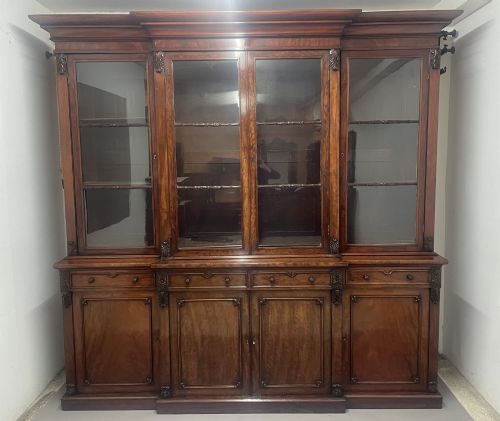
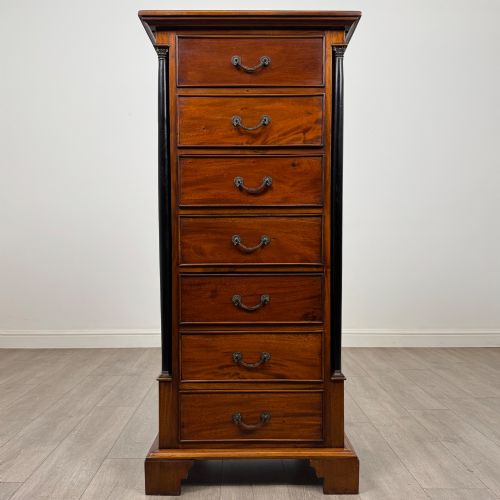
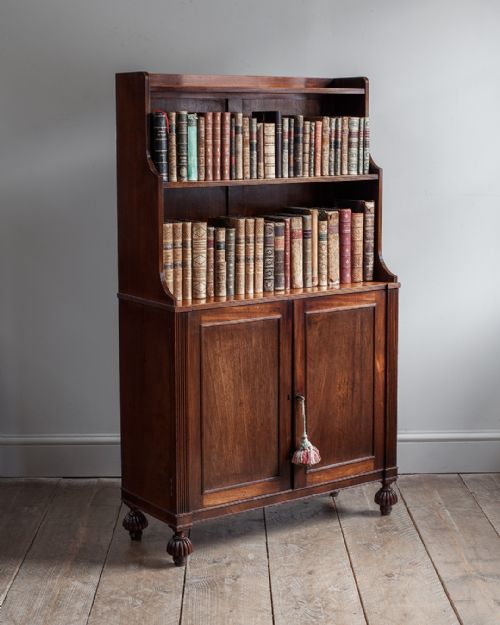
A regency wood cabinet encompasses a diverse group of case furniture, including side cabinets, chiffoniers, bookcases, and secretaire cabinets originating primarily from the nineteenth century. These pieces reflect styles spanning the Regency, William IV, and Georgian periods, alongside later Victorian and Edwardian revivals.
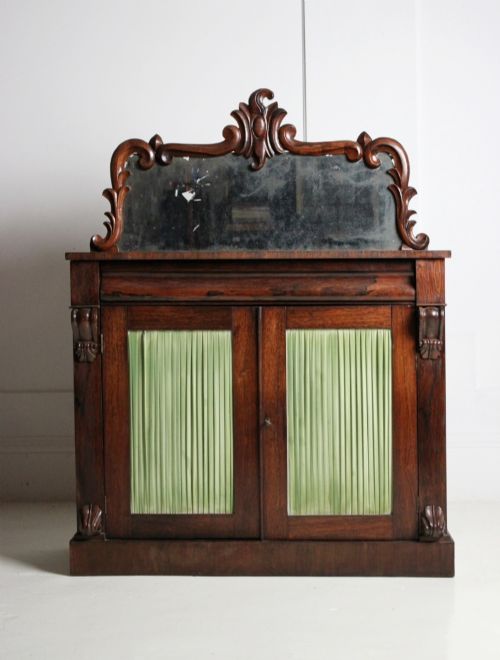
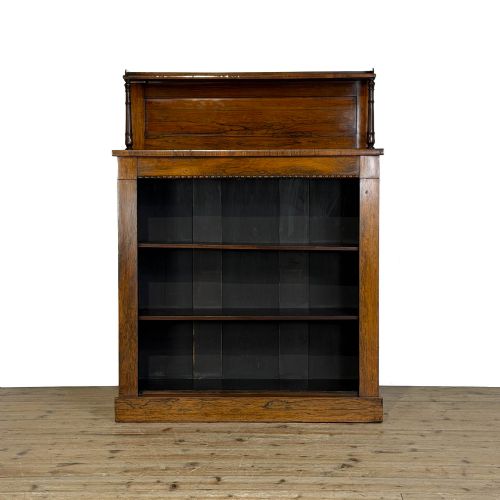
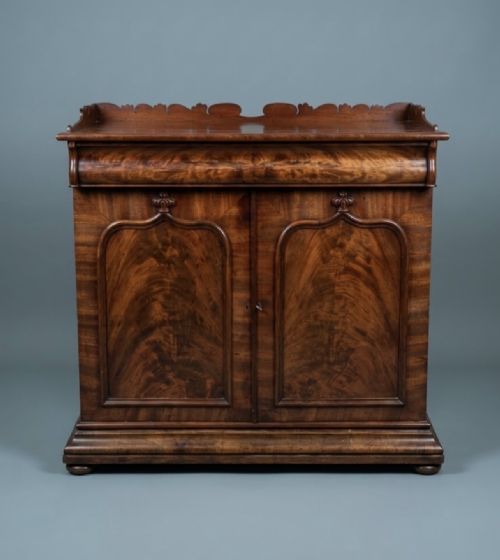
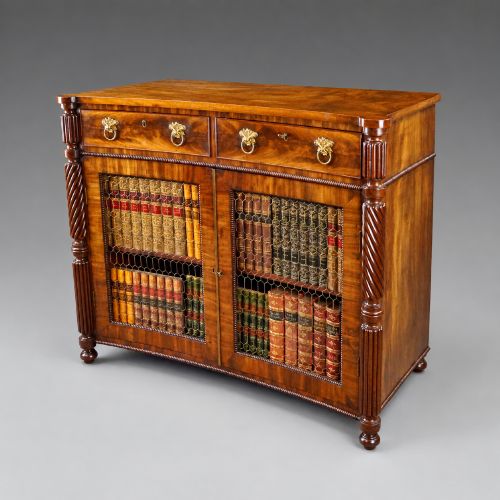
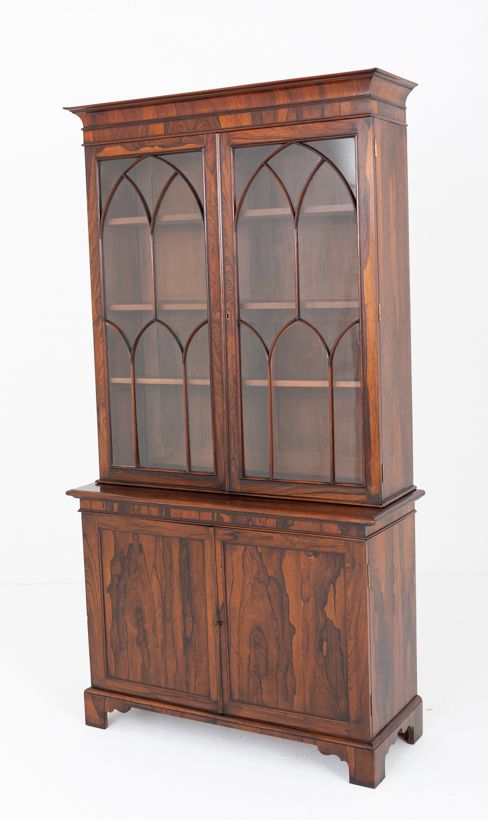
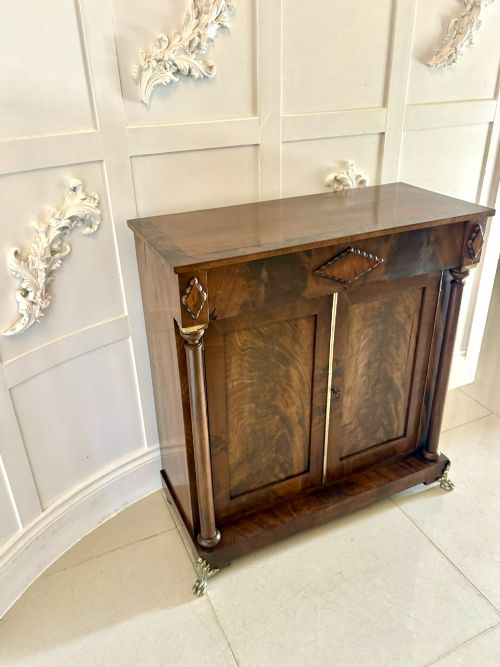
The version most commonly met on this page is the mahogany or rosewood side cabinet or chiffonier, often featuring glazed or panelled doors and occasionally a raised superstructure. Makers of the period adapted these forms for domestic display and storage, incorporating architectural details and refined timber grains.
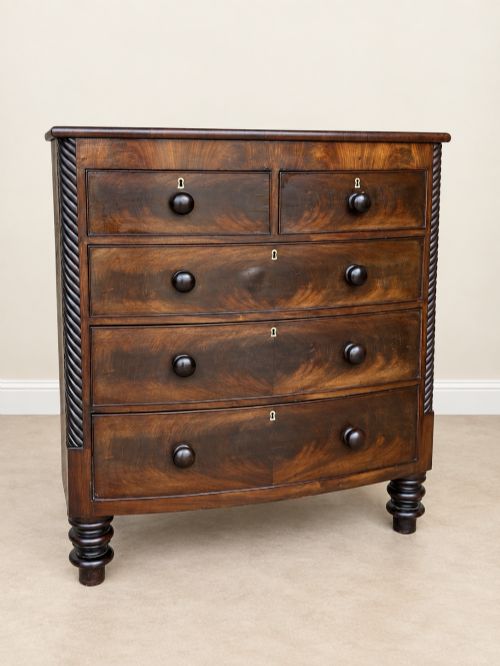
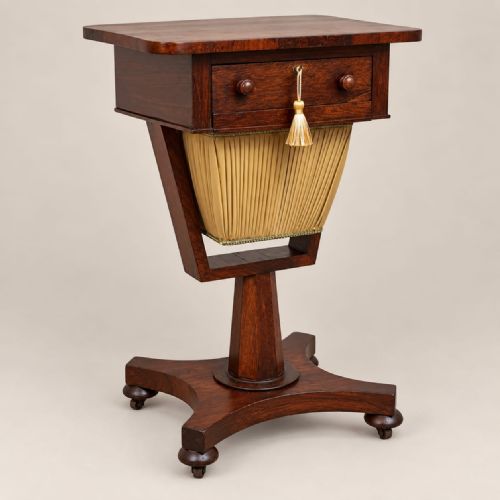
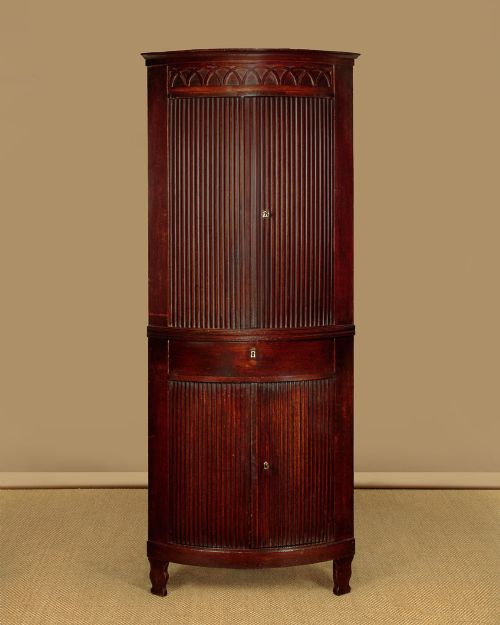
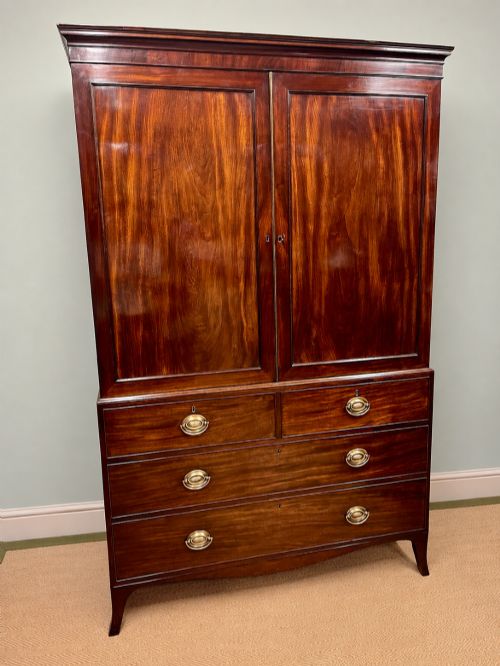
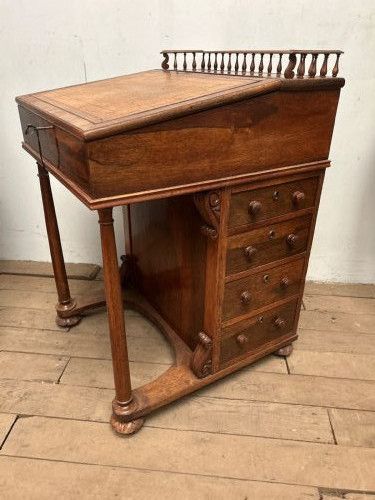
Alongside dedicated cabinets, the search yields related functional forms such as linen presses, chests of drawers, corner cupboards, and writing furniture like Davenport desks. Together, these items demonstrate how cabinet-makers utilised dense tropical hardwoods and native timbers to create practical furniture with strong decorative presence.
Materials and Technique
Cabinet-makers relied heavily on mahogany and rosewood, frequently selecting figured or flame veneers to create striking surface patterns across doors and drawer fronts. Secondary timbers such as pine appear in the carcase construction and interior linings.
Decoration was achieved through contrasting stringing, brass inlay, or parcel gilding, while structural hardware typically involved cast brass handles, grilles, and lion paw feet. Marble tops also feature on select breakfront and pier cabinets, adding weight and a cool surface texture to the design.
Listings feature woods including mahogany, rosewood, satinwood, yew, walnut, and pine, alongside brass and marble.
Evaluating the Build
Quality reveals itself in the selection of the timber veneers and how symmetrically the grain is matched across panels and drawer fronts. Finer pieces demonstrate meticulous attention to internal construction, using solid secondary woods and precise dovetailing for drawers.
The sophistication of decorative details - such as finely chased brass inlay, crisp carved mouldings, and well-fitted doors with original locking mechanisms - separates standard workshop output from exceptional cabinet-work. Proportions also dictate success, with superior examples maintaining balanced sightlines and harmonious integration of any superstructure or glazing.
George Oakley
The Regency Wood Cabinet Glossary
- Chiffonier
- A low cabinet featuring enclosed shelving behind doors, frequently topped with a raised shelf or superstructure supported by pillars. This form became popular during the Regency period for dining and living rooms.
- Secretaire
- A cabinet or bookcase incorporating a pull-down writing drawer fitted with small pigeonholes and inner drawers. It combines a desk workspace with concealed storage behind a drop-front panel.
- Pier Cabinet
- A narrow display cabinet designed to fit against the wall space between windows. These pieces often feature glass doors and were frequently produced in pairs during the nineteenth century.
- Breakfront
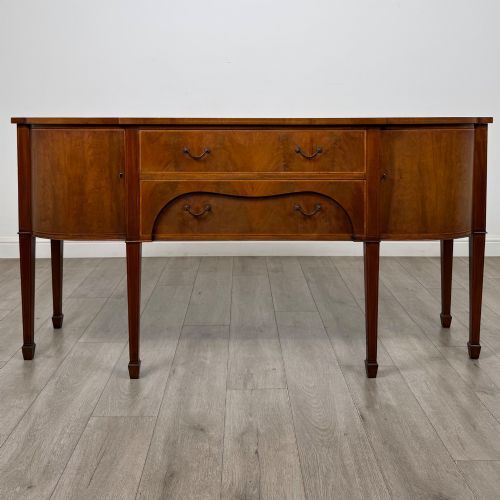
- A cabinet design where the central section projects forward from the flanking outer sections. This architectural arrangement creates depth and shadow across the front elevation.
- Faux Bamboo
- A decorative technique where solid wood, such as pine, is carved and painted to imitate the segmented stalks of natural bamboo. It reflects the Regency and Victorian taste for exotic, novelty finishes.
Regency Wood Cabinet: Frequently Asked Questions
What is a chiffonier?
A chiffonier is a low cabinet designed for the living room or dining room, typically featuring doors that enclose shelving and sometimes a small shelf superstructure on top.
Originally developed in the Regency period, these pieces served as handy sideboards for storing tableware and displaying decorative objects.
How do I spot a secretaire cabinet?
A secretaire cabinet contains a disguised drawer that pulls down to reveal a fitted writing surface, complete with miniature drawers and pigeonholes.
This clever design allowed owners to write letters without needing a separate bulky desk in the room.
What woods were used?
Mahogany and rosewood dominate these pieces, prized for their rich dark tones and ability to take a fine polish. Cabinet-makers also utilised satinwood, yew, walnut, and pine for secondary framing or contrasting inlay work.
Are these pieces strictly from the Regency period?
While many date from the Regency and Georgian eras, the selection also includes later nineteenth-century William IV pieces and Edwardian revivals.
Craftsmen in later decades continued to build cabinets in earlier stylistic idioms, adapting traditional forms for changing domestic interiors.