
Regency Wine Stand
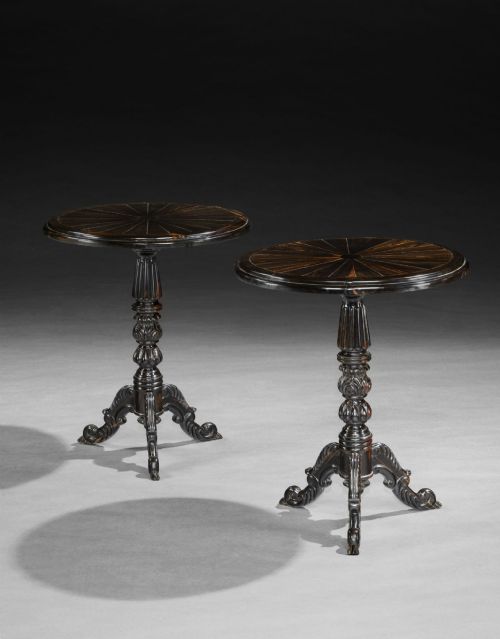
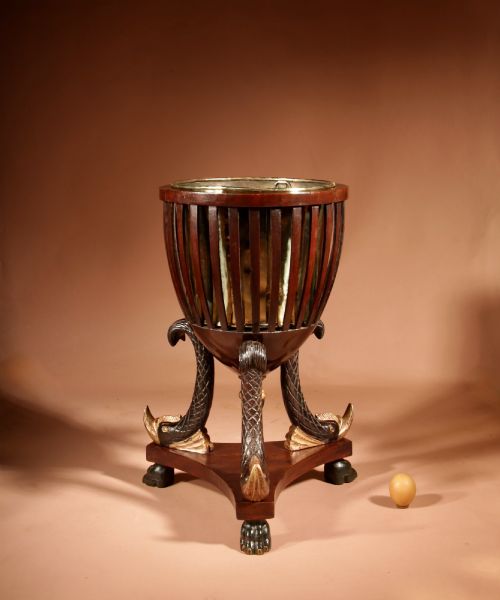
A regency wine stand is a functional piece designed to hold bottles and glasses securely during service, combining utility with distinct period elegance.
Regency Wine Stand
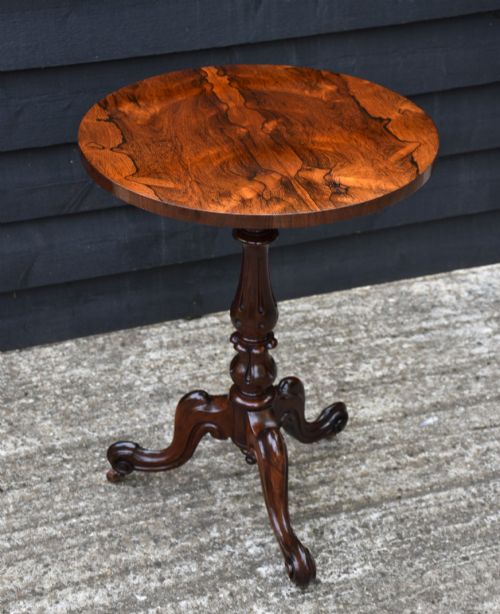
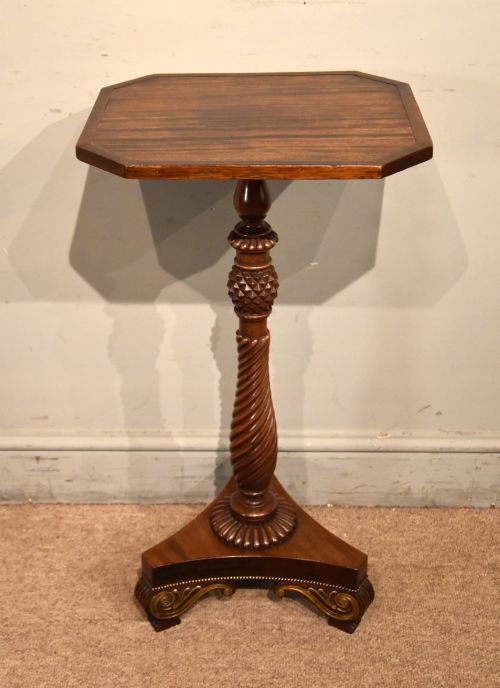
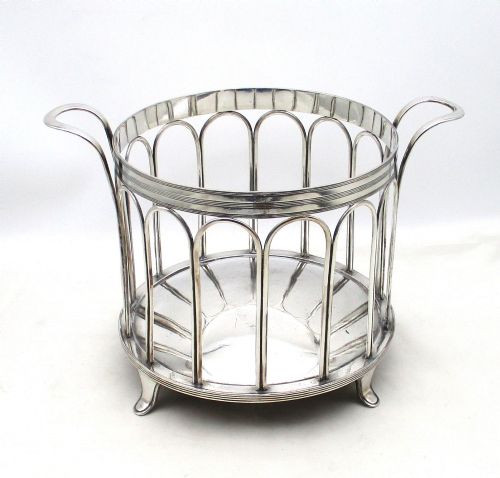
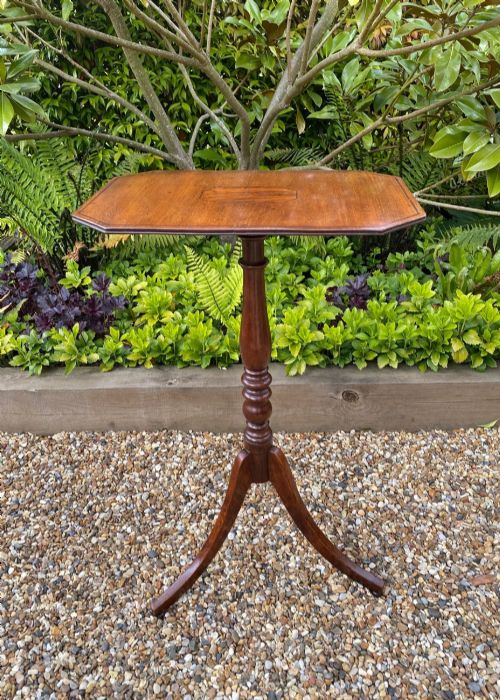
Buyers seeking a regency wine stand encounter a diverse selection of small tables, coasters, and cellarettes originating primarily from the Regency and nineteenth-century periods. These items encompass tripod wine tables, bottle coasters, and larger freestanding wine coolers fashioned in varied timbers.
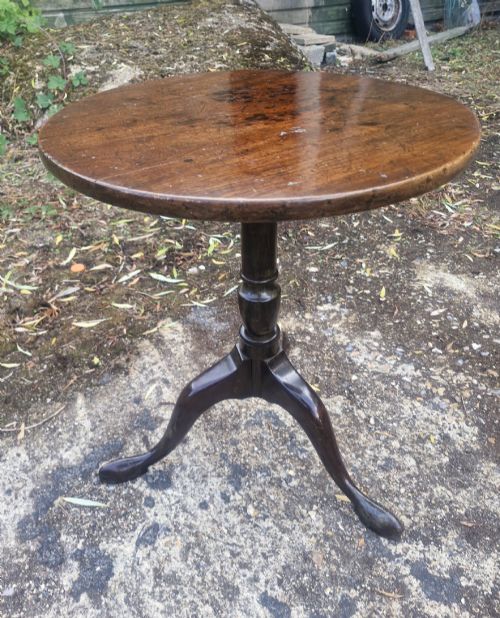
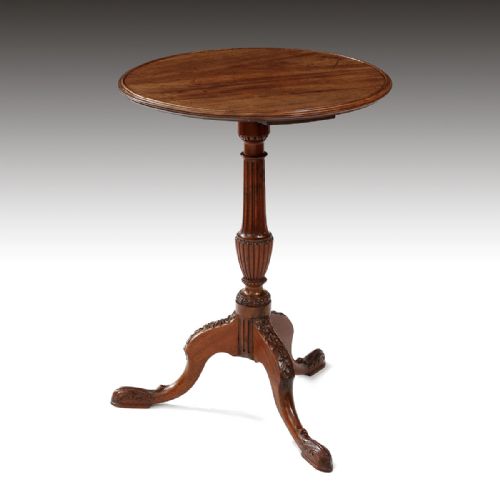
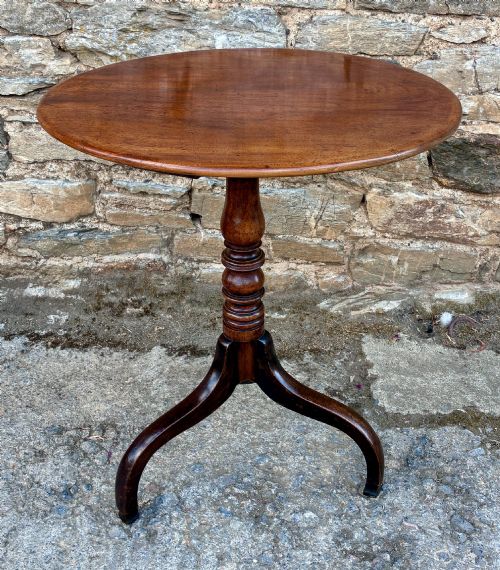
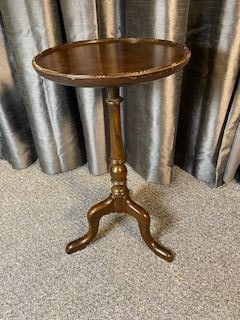
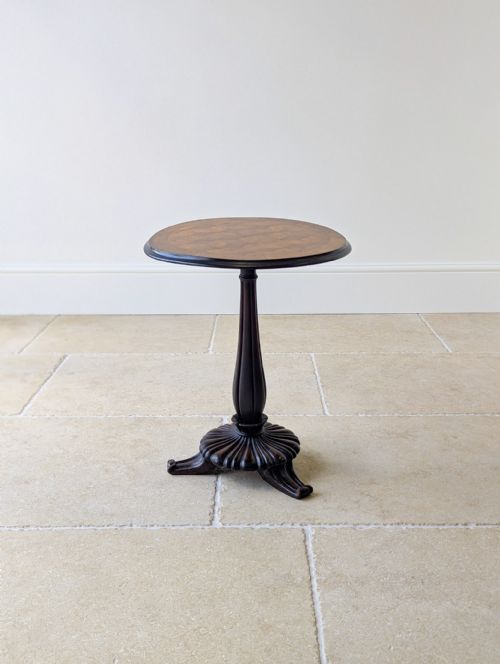
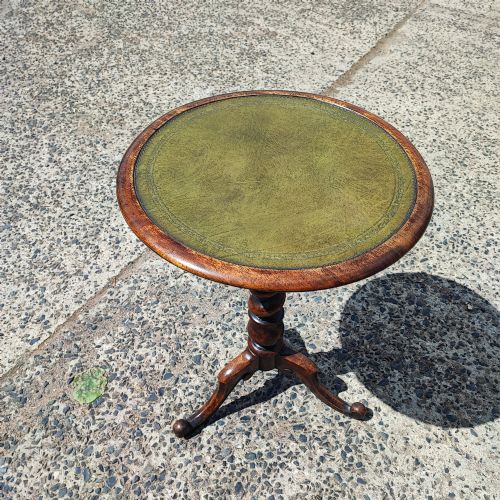
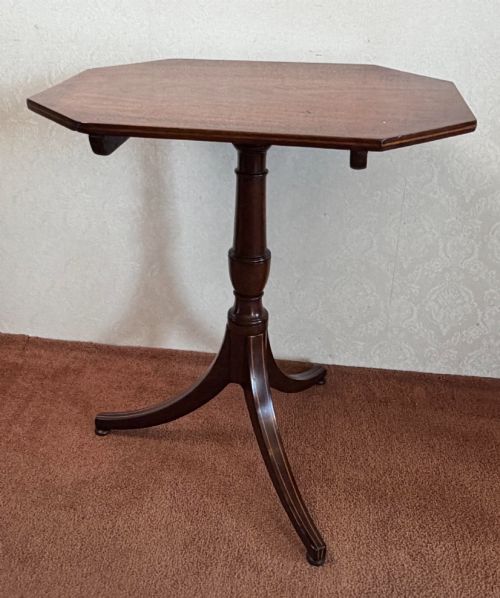
Tripod tables and small occasional tables form the core of the selection, often featuring tilt-top actions or raised dishtops designed to steady decanters. Alongside these stands, makers produced specialised carriers and cellarettes for floor placement near the dining table.
The aesthetic bridges formal Georgian restraint and later Victorian elaboration, drawing upon Regency, William IV, and French Empire influences. Pieces range from plain mahogany tea and wine surfaces to ornate rosewood stands with brass stringing.
Materials and construction
Cabinetmakers utilised dense tropical and domestic hardwoods such as mahogany, rosewood, walnut, and fruitwood, often selecting figured veneers to create striking table tops. Solid timber formed structural elements like tripod legs and pedestals, while brass fittings provided secure mounts and banding.
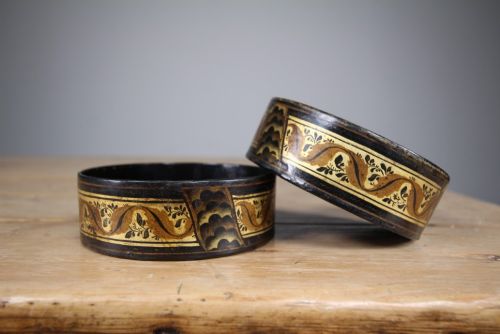
Secondary techniques included intricate inlay work utilising boxwood, penwork decoration upon painted surfaces, and lacquer finishes seen in Chinoiserie examples. Papier-mache also appears among smaller bottle coasters, moulded and lacquered for durability.
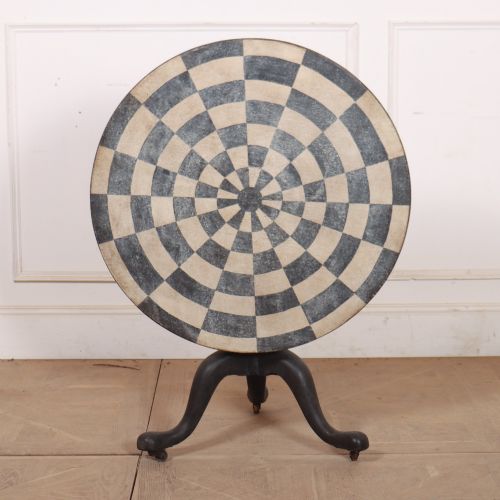
Joinery relied on traditional turning, pillar and claw supports, and tilt-top mechanisms that allowed tables to stow flat against walls when not in use.
Listings feature mahogany, rosewood, and walnut most frequently, alongside specialised papier-mache and silver-plated coasters.
Assessing craftsmanship
Quality separates primitive utility items from refined parlour furniture through the choice of timber figure, the crispness of turned pedestals, and the precision of brass inlay or boxwood stringing. Superior examples display balanced proportions on their tripod bases and smooth operation in tilt-top mechanisms.
Subtle details such as original brass castors, well-figured rosewood grain, and intact penwork or lacquer distinguish workshop-produced pieces from plainer vernacular items. The integrity of the timber movement and the weight of metal mounts dictate the overall substance of the stand.
Gillow·George Bullock
The Regency Wine Stand Glossary
- Tripod table
- A small circular or octagonal table supported by a central pillar resting on three spreading feet. This form allowed the surface to remain stable on uneven floors.
- Tilt-top action
- A brass or iron mechanism beneath the table surface enabling the top to pivot vertically for storage. It is typical of nineteenth-century occasional and wine tables.
- Cellarette
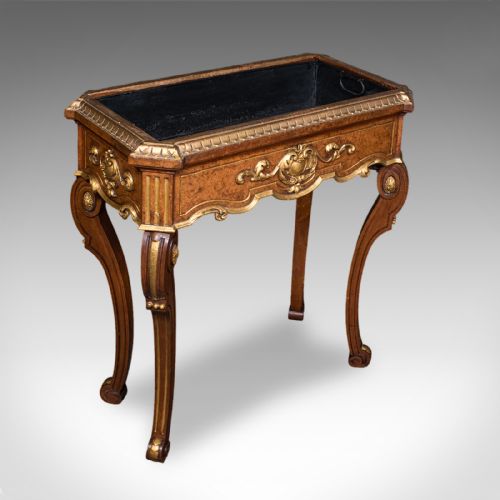
- A lockable container or cabinet used for storing bottles of wine safely near the dining table. They frequently incorporate brass banding and internal dividers.
- Coaster
- A small tray or shallow dish, often of wood, papier-mache, or silver plate, fitted with wheels or a base to slide across the dining surface. They protected polished timber from moisture rings.
- Brass stringing
- Thin lines of brass inlaid into grooves cut into the wood surface to create geometric borders. This technique characterises refined Regency cabinetwork.
Regency Wine Stand: Frequently Asked Questions
What is the difference between a wine table and a wine cooler?
A wine table is a small occasional stand designed to hold glasses and a decanter beside a chair or sofa. These typically feature a raised edge or dish top to prevent sliding.
A wine cooler or cellarette is a deeper floor-standing container lined for cooling bottles with ice or simply storing reserve stock. They often incorporate heavy brass handles and locks.
How do I use a tilt-top wine table safely?
The tipping mechanism allows the top to lock flat for use or pivot vertically so the piece occupies minimal space against a wall. Ensure the brass catch or wooden button is fully engaged when returning the surface to the horizontal position.
Avoid placing excessive downward pressure near the rim when the catch is worn, as older pivots can loosen over centuries of use.
What timber was most commonly used?
Mahogany dominates the surviving inventory, valued for its stability, rich reddish-brown tone, and ability to take fine turned details. Rosewood and walnut appear frequently in nineteenth-century examples, offering darker grain patterns and contrasting figures.
Fruitwood, yew, and oak also feature among regional or earlier pieces from the Georgian era.
How do I identify a Regency period piece?
Regency items exhibit clean classical proportions inspired by Greek and Roman architecture, often featuring reeded legs, brass inlay, and rosewood veneers. The period spans roughly the early nineteenth century.
Look for architectural pedestals, brass paw feet, and saber legs as reliable indicators of this design vocabulary.