




Regency Wine Buckets
Regency wine buckets bring formal dining rooms of the early nineteenth century to life, designed to keep bottles chilled at the table.
Regency Wine Buckets
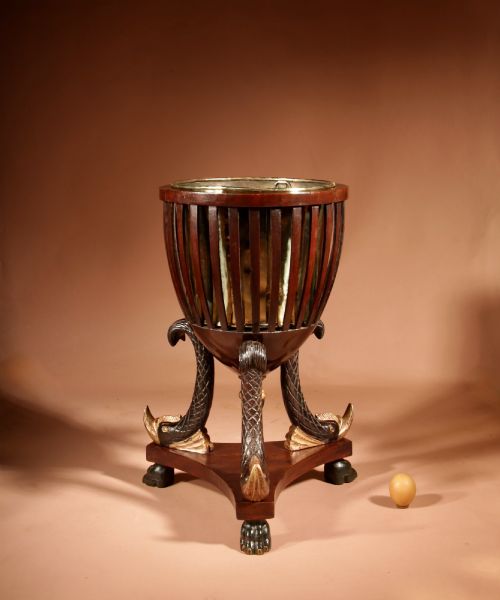
Regency wine buckets encompass a variety of vessels designed to hold bottles and ice during meals, drawing heavily on Georgian and Regency styles. These objects appear in forms such as wine coolers, ice pails, champagne coolers, peat buckets, and jardinières.
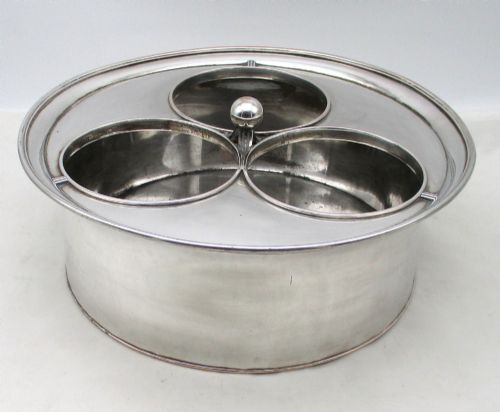
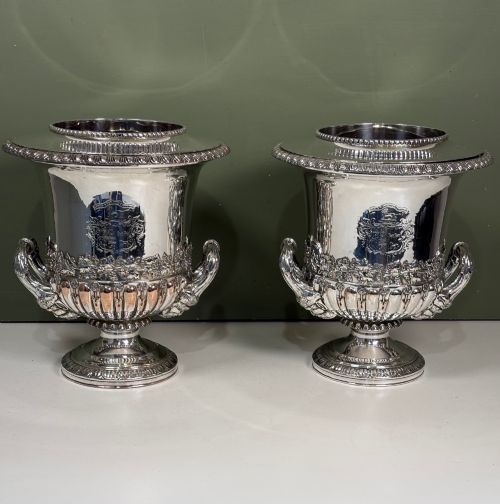
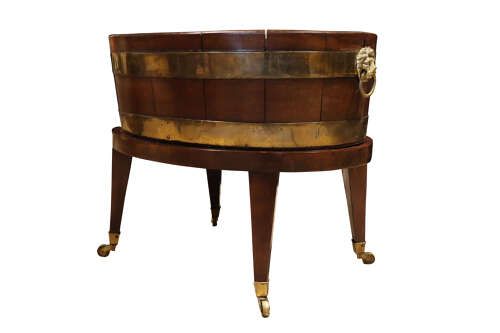
The materials span metalwork, timber, and ceramic, reflecting the diverse domestic requirements of the period. Metal examples frequently use Old Sheffield Plate or copper, while wooden versions often employ coopered mahogany with brass bands.
Materials and construction
Coopered construction forms the backbone of wooden examples, utilising staves of mahogany bound together with tight brass hoops or bands. Metal coolers rely on Old Sheffield Plate, copper, or japanned tin-ware, often shaped into campana silhouettes or fitted with cast handles and crests.
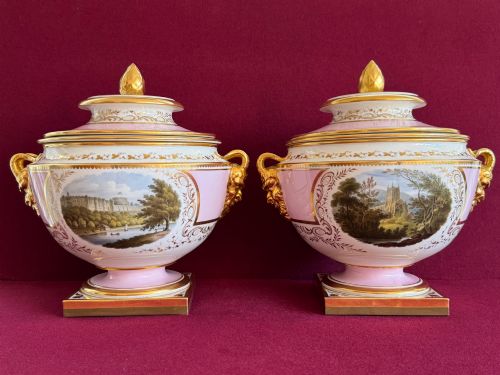
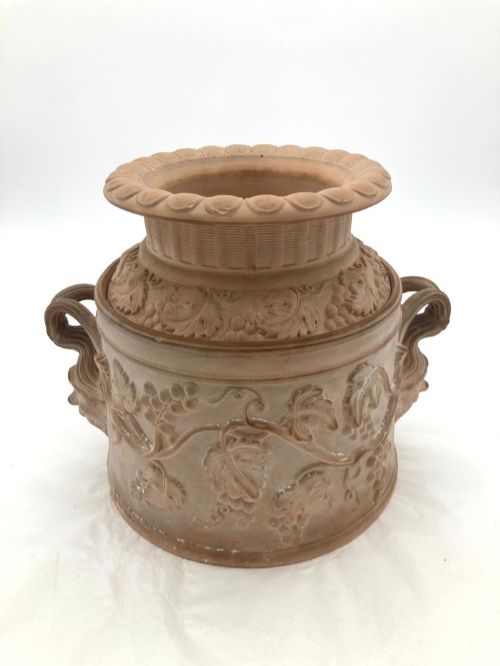
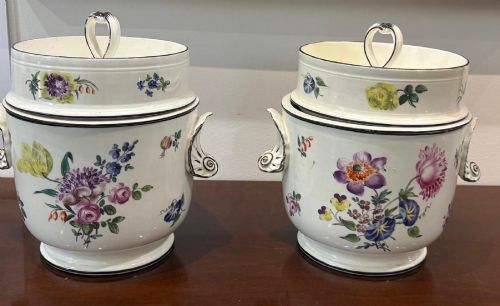
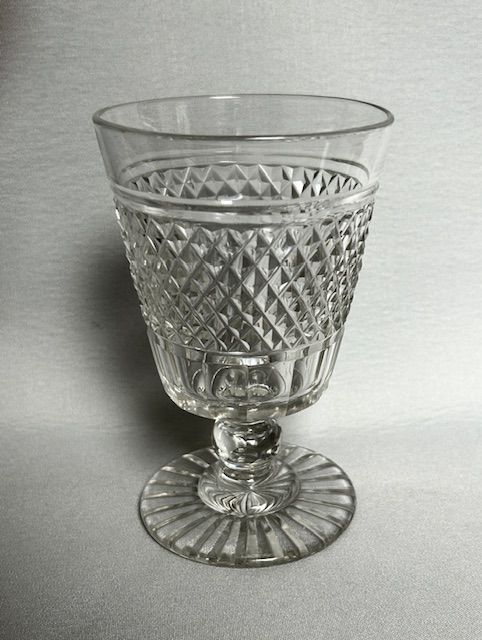
Ceramic and glass vessels demonstrate alternative manufacturing traditions, incorporating creamware, terracotta, cut crystal, and porcelain from factories like Davenport and Worcester. Mounts of gilt bronze or zinc liners complete many of the metal and wooden pieces.
Listings demonstrate that Regency wine buckets frequently utilise coopered mahogany bound with brass, alongside Old Sheffield Plate campana vessels.
What separates the tiers
The standard of execution depends on the crispness of the cutting in glass, the weight and depth of silver plating on Old Sheffield Plate, and the precision of the cooperage in mahogany. Armorial crests, cast bronze mounts, and matched pairs elevate certain items above standard utilitarian vessels.
Integrity of surface finish and the retention of original liners or stands determine the desirability of a piece. Makers who supplied marked porcelain or documented silver plate distinguish themselves through refined finishing details.
Matthew Boulton Co·Davenport·Chamberlain Worcester·Flight Barr Barr
The Regency Wine Buckets Glossary
- Old Sheffield Plate
- A composite material made by fusing a thin sheet of silver to a thicker copper base, common in quality dining wares of the Georgian and Regency periods. This technique creates durable items with the appearance of solid silver.
- Coopered
- Built using narrow wooden staves joined vertically and held tightly by encircling metal bands, a method traditional to cask and bucket making. Mahogany coopered buckets frequently served as wine coolers or jardinières.
- Campana
- A bell-shaped vessel design with an everted rim and footed base, frequently seen in metal wine coolers and ice pails. This classical silhouette reflects the Regency taste for antique Roman forms.
- Creamware
- A fine earthenware developed in England during the eighteenth century, featuring a pale yellow or cream-coloured lead glaze. Creamware ice pails represent a lighter ceramic alternative to heavy metal coolers.
- Jardinière
- An ornamental pot or stand intended for holding plants or flowers, often sharing forms with wine buckets and peat buckets. These vessels appear in mahogany, copper, and ceramic across the nineteenth century.
Regency Wine Buckets: Frequently Asked Questions
What is the difference between an ice pail and a wine cooler?
Ice pails generally featured lids to preserve ice for table use, whereas wine coolers were open vessels designed to hold bottles directly in ice or water.
Both forms served wealthy dining rooms during the Georgian and Regency periods, often produced in matching pairs.
How do you identify Old Sheffield Plate on these buckets?
Old Sheffield Plate reveals a thin layer of silver showing a faint hint of copper along cut edges or worn high points where the base metal beneath has surfaced over decades of use.
This method predates electroplating and indicates an item dating from around the late eighteenth to the early nineteenth century.
Were these buckets used exclusively for wine?
While primarily designed for cooling wine or champagne, similar coopered and metal buckets functioned as peat buckets, tea stoves, or jardinières for plants.
Multi-purpose vessels in mahogany and brass adapted easily to changing domestic needs in nineteenth-century drawing rooms.
How should a mahogany wine bucket be maintained today?
Wooden buckets require protection from excessive dryness and direct heat sources to prevent the staves from shrinking and the brass bands from loosening.
Applying occasional wax polish preserves the natural sheen of the mahogany without harming the historic timber.