

Regency Tripod Wine Stand
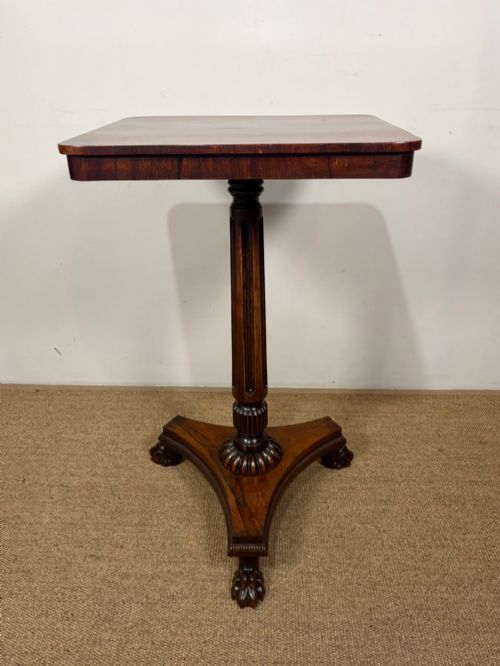
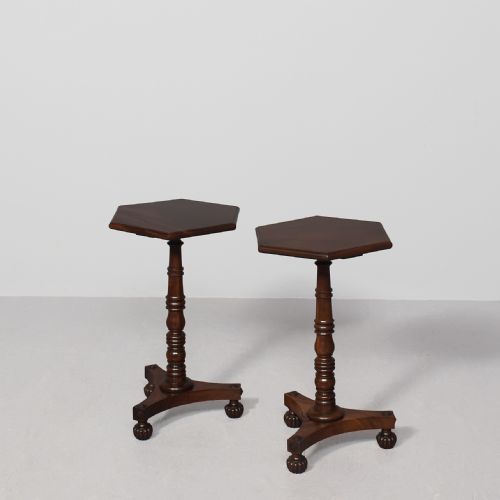
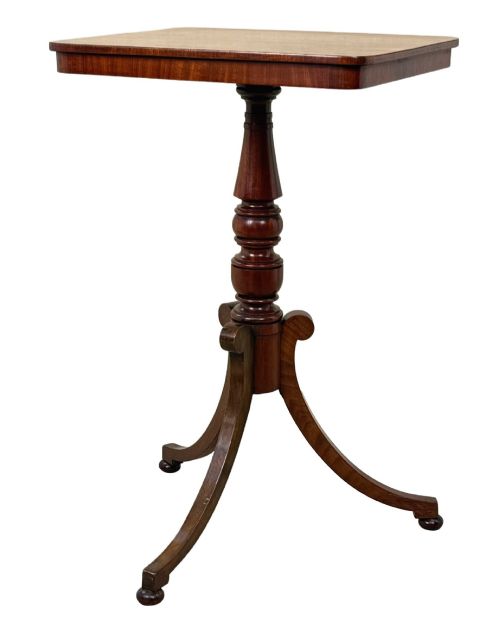
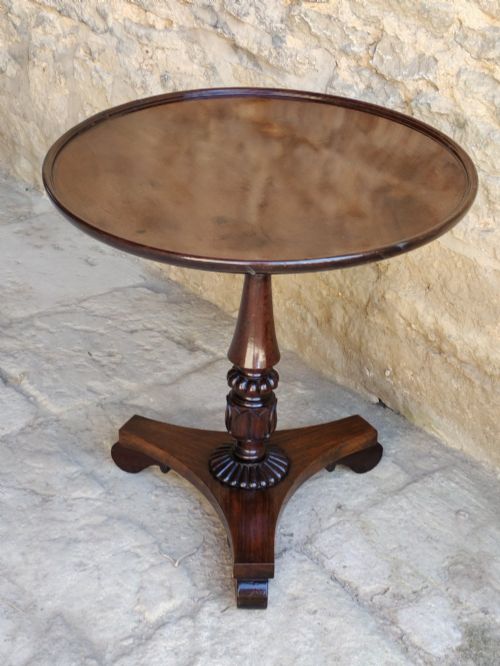
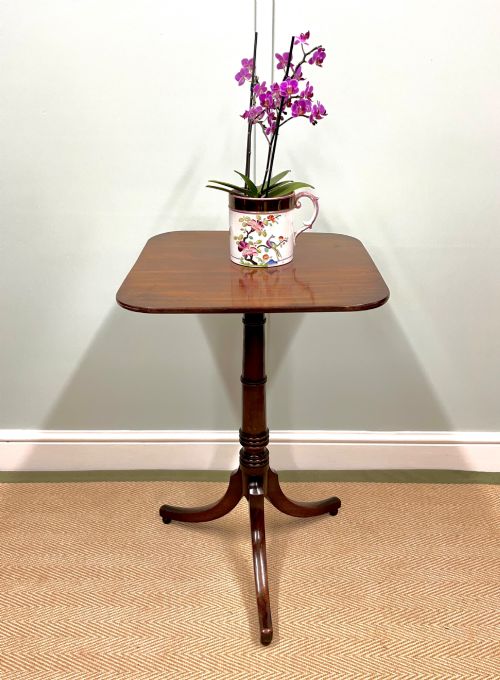
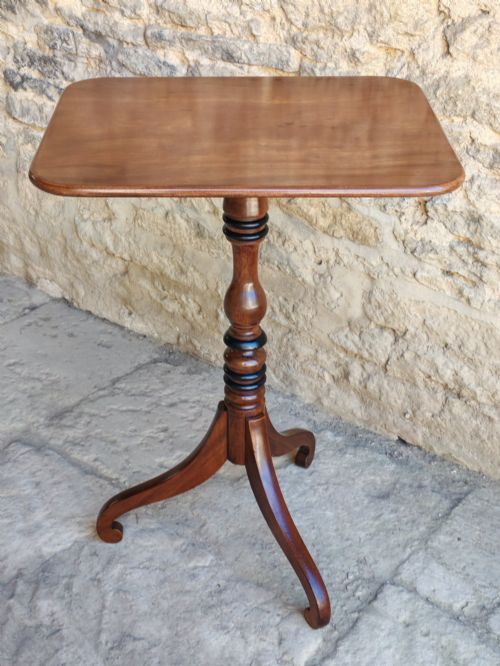
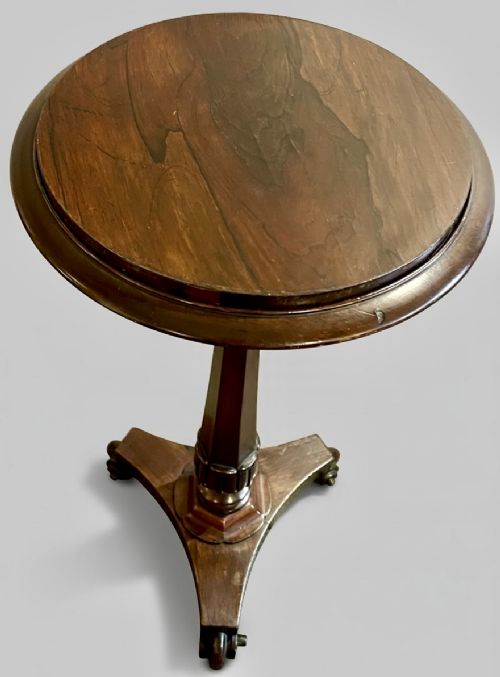
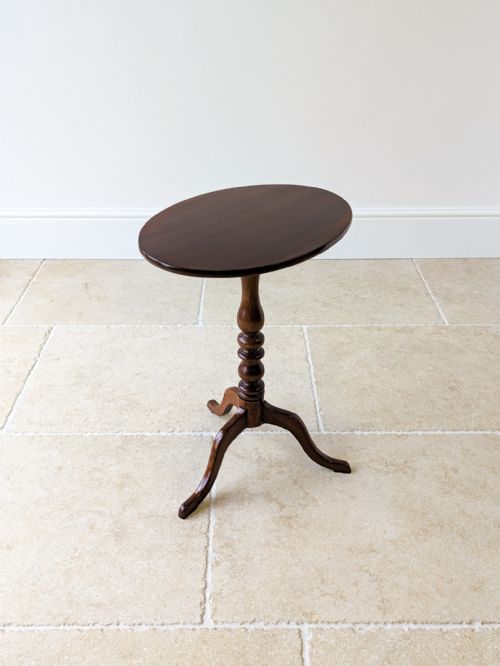
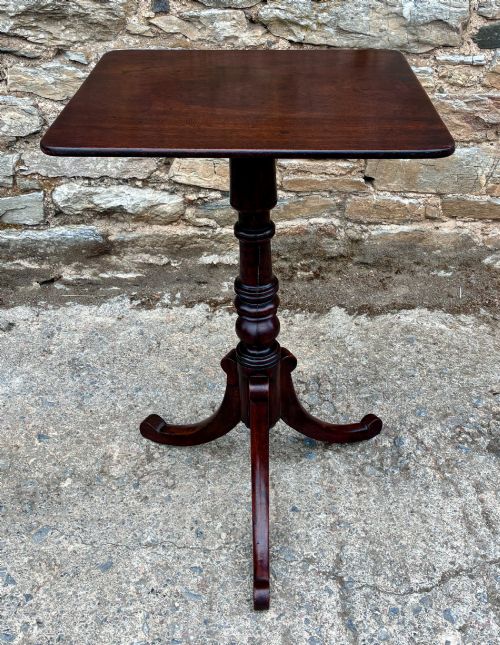
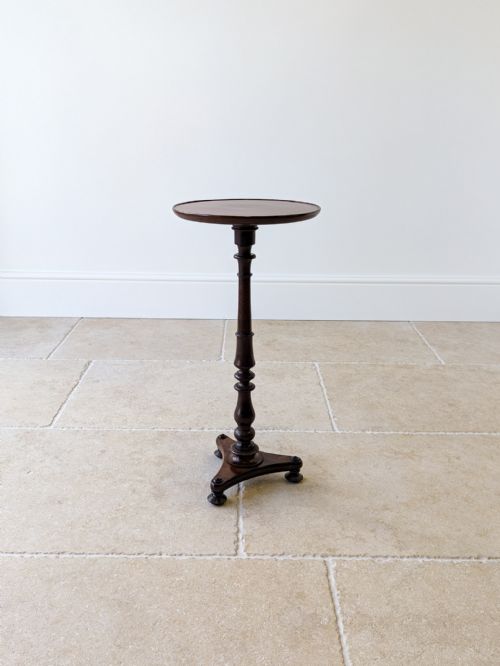
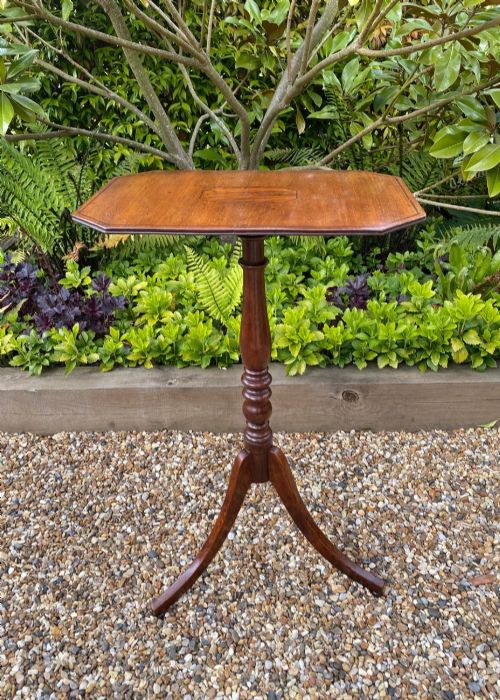
A regency tripod wine stand is a compact pedestal table designed for holding bottles or glasses, prized for its elegant three-legged support and graceful proportions.
Regency Tripod Wine Stand
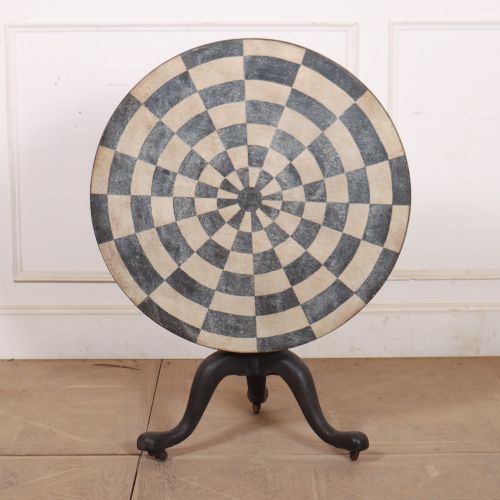
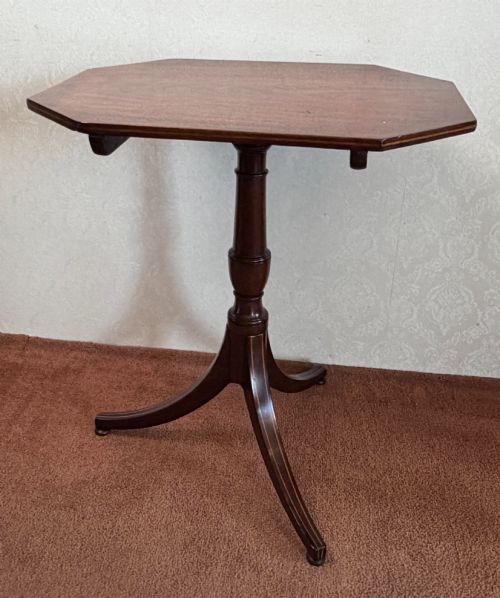
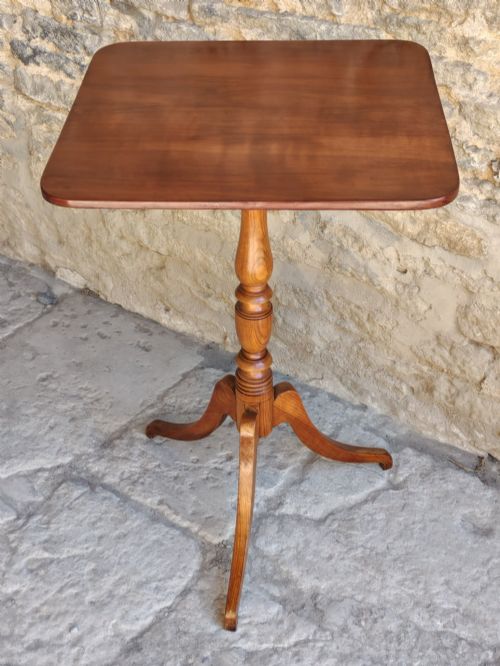
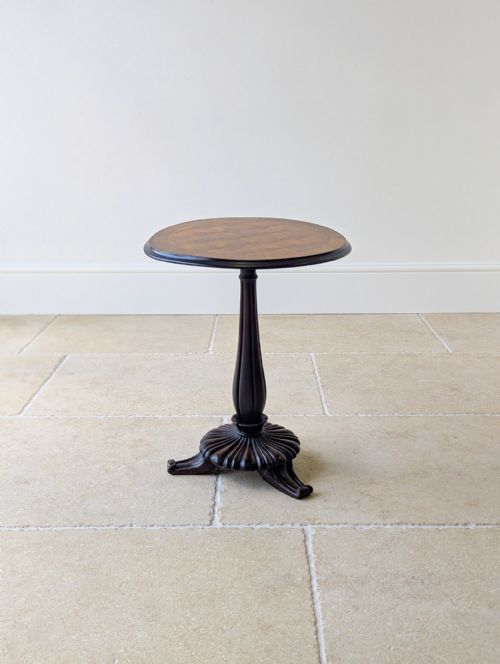
When you search for a regency tripod wine stand, you encounter small pedestal tables designed primarily for holding drinks or serving as occasional side pieces. These items span periods from the Georgian era through the Regency and William IV years into the nineteenth century.
Origins vary from English workshops to Anglo-Indian colonial pieces, showcasing diverse timbers including fruitwood, yew, burr oak, and ebony. Some variations include decorative elements such as brass stringing, boxwood inlay, and penwork decoration.
Materials and construction
Cabinetmakers utilised dense timbers like mahogany, rosewood, and walnut for stability, turning central pillars on a lathe and shaping three splayed legs to form the tripod base. Tops were frequently fashioned with tilt mechanisms, allowing the wooden surface to fold vertically when not in use.
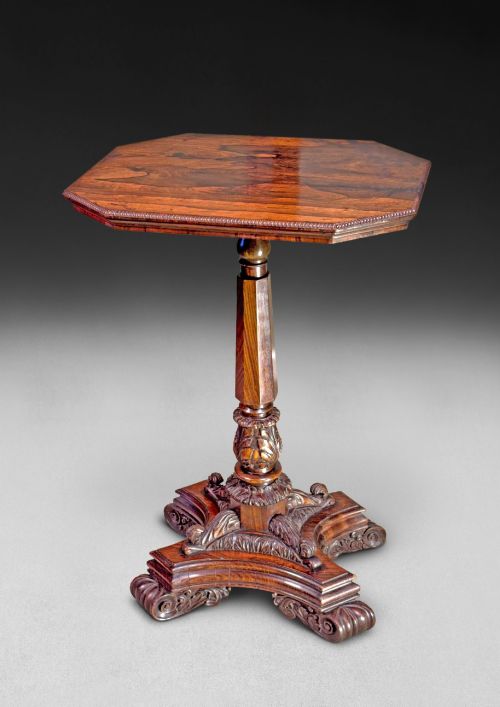
Surface ornamentation relied on fine craftsmanship, incorporating boxwood inlay, brass stringing, and delicate penwork to accent the edges and tops. Exotic woods such as Ceylonese ebony and burr maple also appear, shaped into dishtop edges or octagonal surfaces.
Regency Tripod Wine Stand Retail Price Guide 2026
Typical asking prices for regency tripod wine stand among the pieces listed under this phrase on Sellingantiques today, from the lower quarter to the upper quarter. They describe what is for sale here now, not the wider market.
Some tables feature intricate penwork decoration, proving that past owners enjoyed botanical doodles as much as a steady place for wine.
Evaluating quality and craftsmanship
Quality rests in the crispness of the timber turning, the choice of well-figured veneer, and the tightness of the joinery connecting the central pillar to the tripod legs. Superior pieces display harmonious proportions where the weight of the top balances securely over the splayed feet without wobble.
Refinement in secondary details elevates a piece, such as precise boxwood stringing, cleanly executed tilt-top catches, and sophisticated surface decoration like Chinoiserie lacquer or penwork. The selection of dense, richly coloured rosewood or mahogany indicates a higher tier of original manufacture.
Gillow·George Bullock
The Regency Tripod Wine Stand Glossary
- Tilt-top
- A hinged tabletop mechanism that allows the surface to fold vertically for compact storage when not in use. This clever design was standard on many nineteenth-century occasional and wine tables.
- Tripod base
- A support structure consisting of three splayed legs radiating from a central turned pedestal. This configuration ensures stability on uneven floors.
- Stringing
- Thin inlaid lines of contrasting wood, such as boxwood, or brass set flush into the surface of the timber. It provides delicate linear framing to tabletops and legs.
- Teapoy
- A small stand or chest originally intended for holding tea caddies and serving tea. Examples in this category often feature specialised internal compartments.
- Penwork
- A decorative technique using fine ink lines to draw motifs directly onto the wood surface before sealing. This method creates intricate surface patterns without carving.
Regency Tripod Wine Stand: Frequently Asked Questions
What is a regency tripod wine stand used for?
These pieces were originally designed to hold wine bottles, decanters, or glasses near seating areas during social gatherings.
Today, they function well as compact side tables for holding lamps, books, or small decorative items in living spaces.
How do I identify a tilt-top table?
Look underneath the circular or octagonal tabletop for a wooden catch or brass latch mechanism connecting the surface to the central pillar.
When released, this mechanism allows the entire top to pivot ninety degrees into a vertical position.
What woods are typical for these tables?
Mahogany and rosewood appear most frequently in the listings, prized for their rich dark grain and durability.
Alternative timbers include fruitwood, yew, walnut, burr oak, and exotic Ceylonese ebony.
How do I tell Regency style from William IV?
Regency pieces generally display refined, slender proportions with classical restraint and delicate stringing or inlay.
William IV pieces tend to be heavier and more robust, featuring bolder scrolling pedestal bases and thicker timbers.