

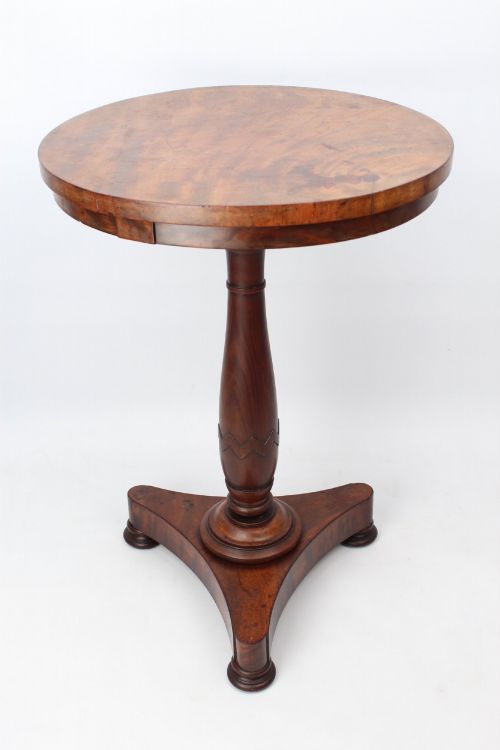
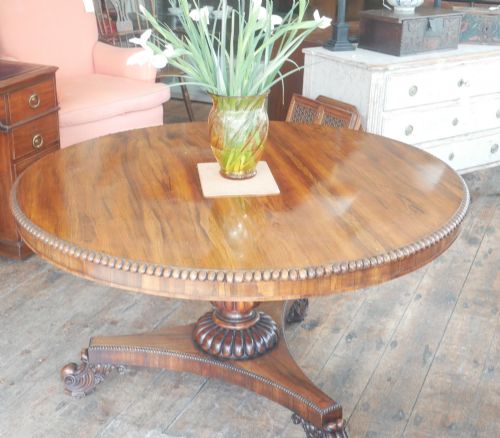
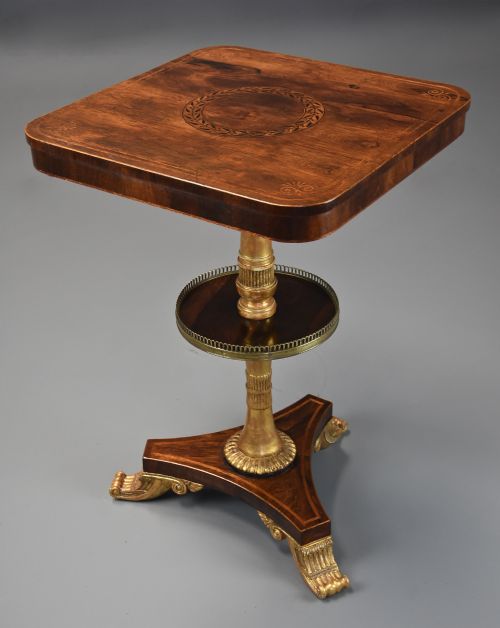
Regency Triform Base
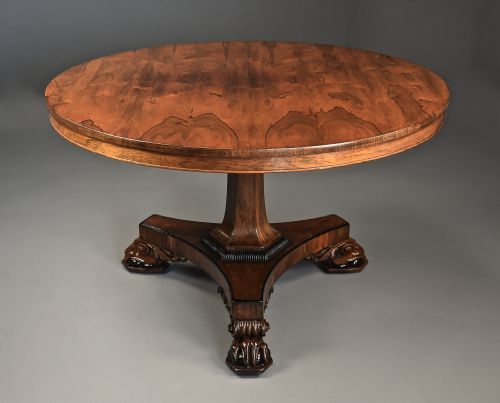
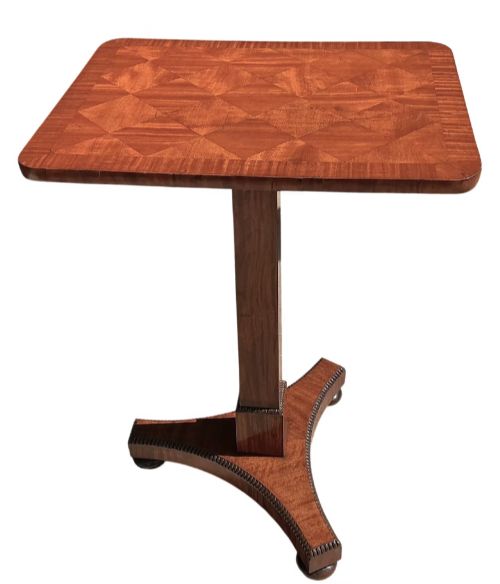
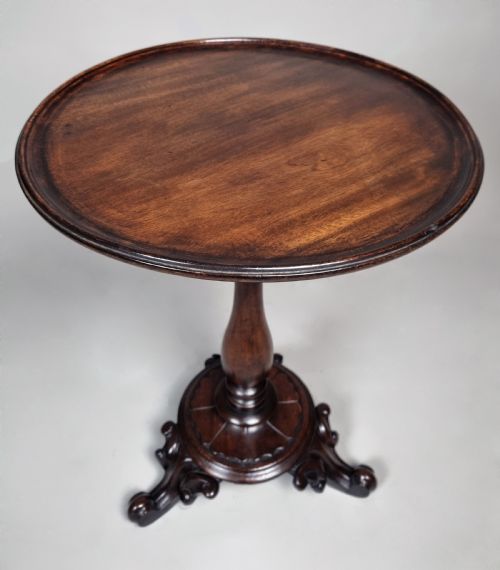
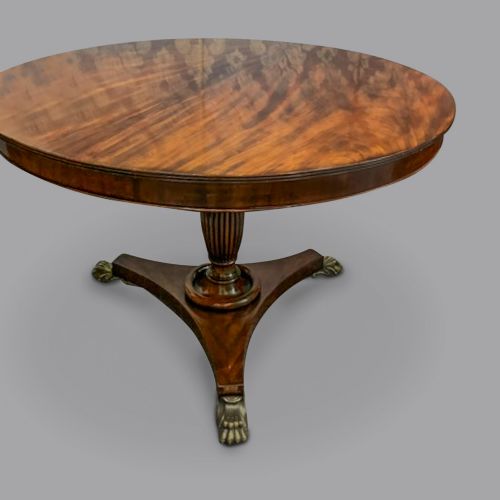
A regency triform base anchors tables, stands, and lighting with three symmetrical legs that offer both stability and formal presence.
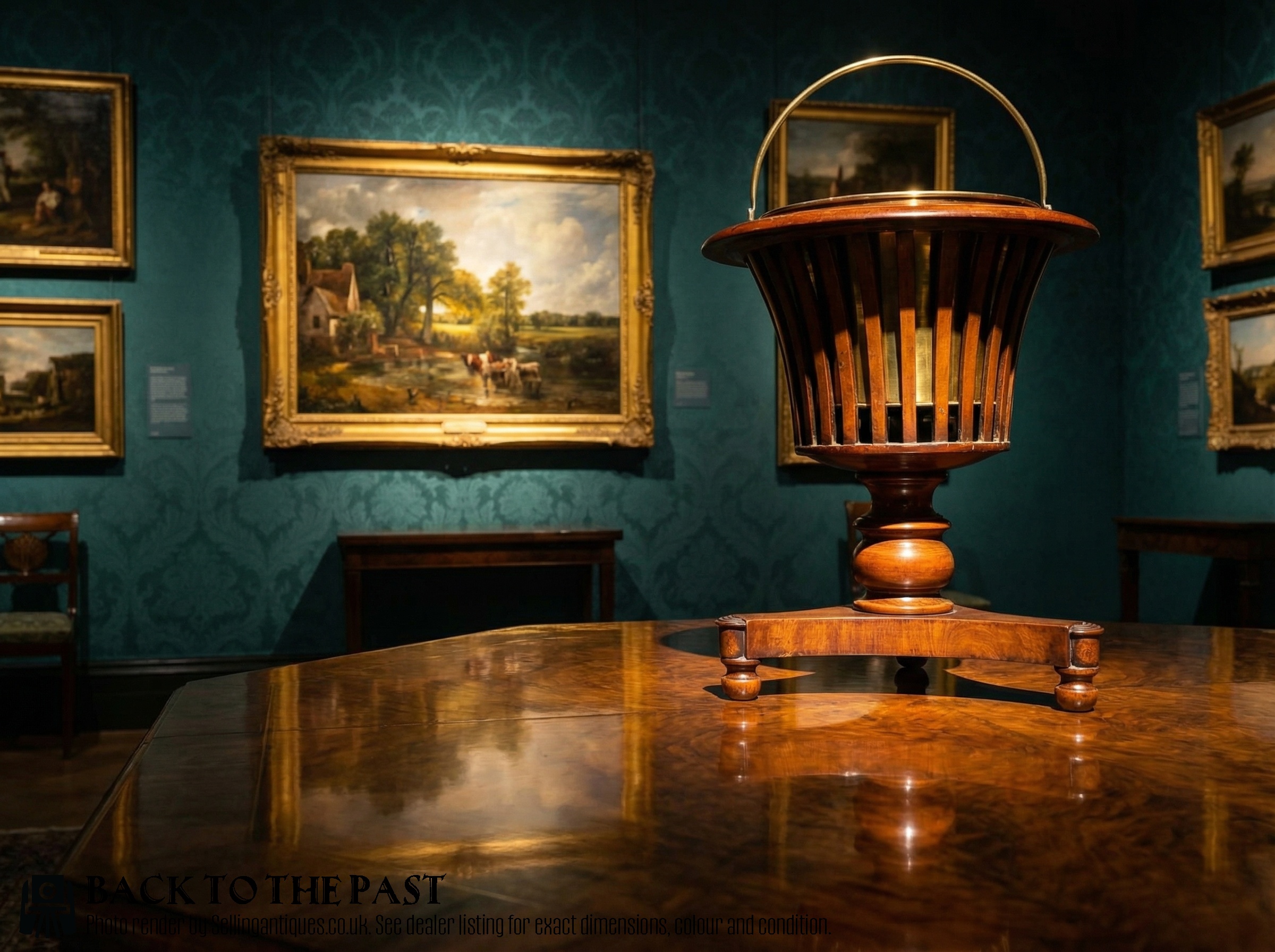
Regency Triform Base
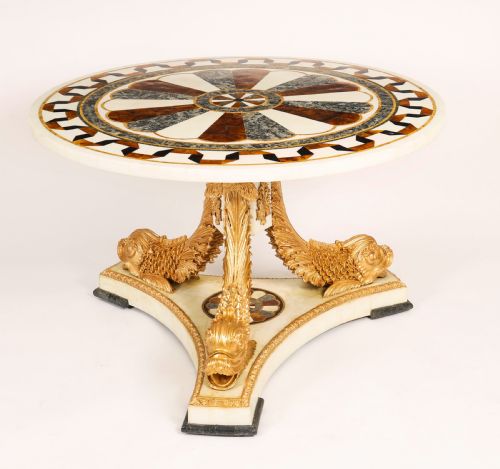
When you search for a regency triform base, you are looking at furniture and decorative supports characterised by a three-sided or three-legged pedestal design. These pieces predominantly date from the Regency, William IV, and Georgian periods, extending through to later revival interpretations.
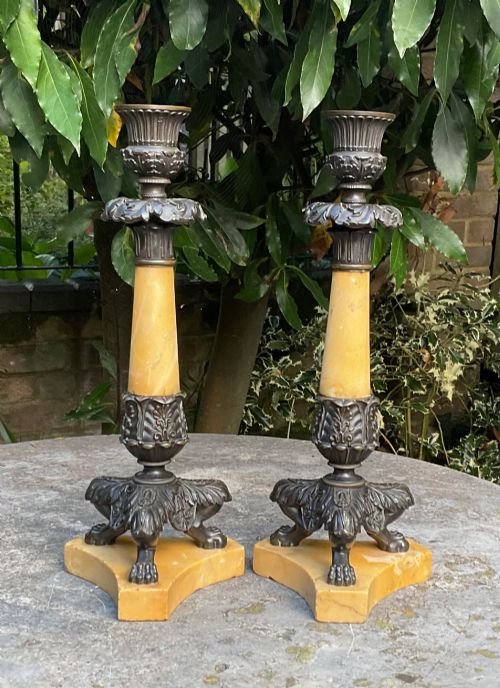
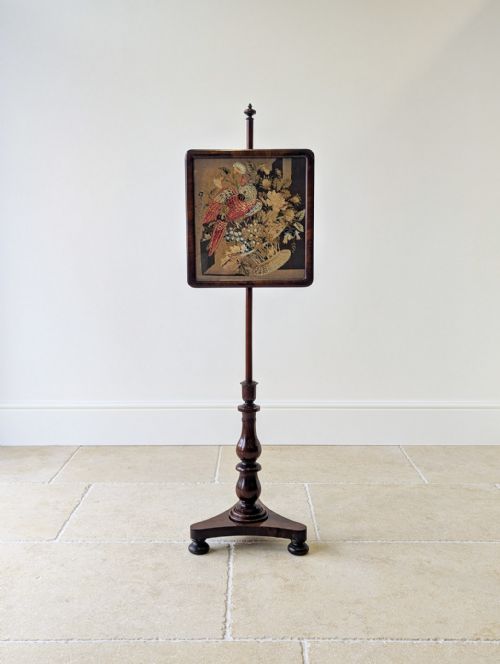
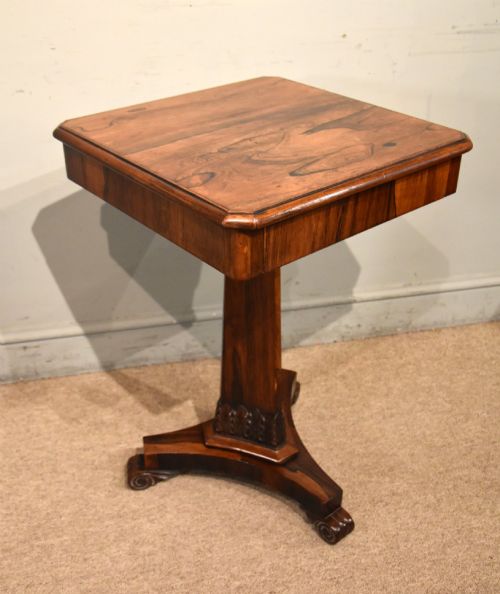
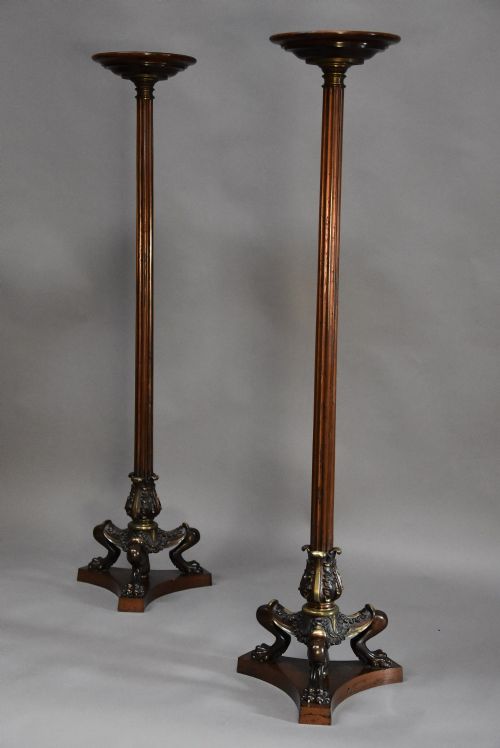
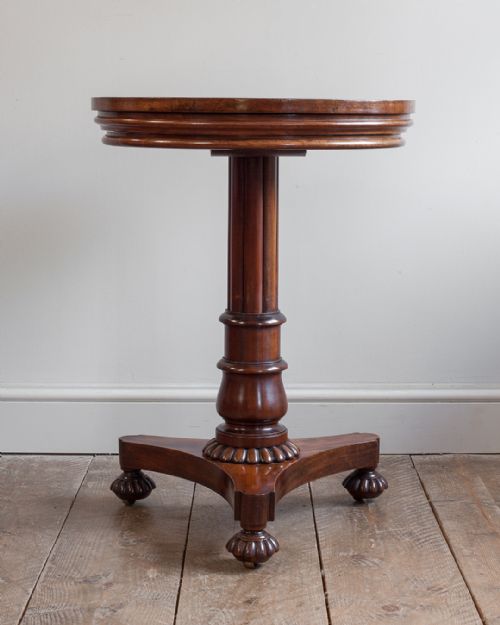
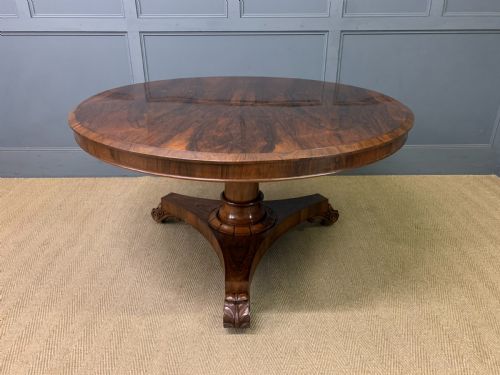
The form appears most frequently on centre tables, breakfast tables, occasional tables, and wine tables, alongside occasional lighting stands and pole screens. Rosewood and mahogany are the primary timbers utilised, often paired with marble tops, brass mounts, or giltwood detailing to emphasise the architectural silhouette.
How they were made
Cabinet makers constructed these supports using dense hardwoods like rosewood and mahogany, frequently applying veneers over stable secondary timbers to achieve sweeping curved pedestals. The three-sided base often incorporates carved scrollwork, parcel gilt highlights, or bronze mounts that transition smoothly from the central column down to the feet.
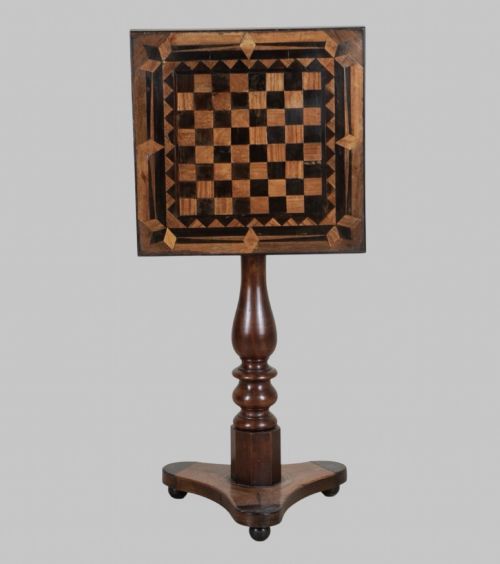
Many examples feature tilt-top mechanisms, telescopic adjustments, or inlaid chessboard tops, demonstrating advanced joinery for the period. Marble inserts on tabletops and stands provide a heavy, contrasting surface that balances the substantial weight of the triform pillar below.
Listings feature rosewood, mahogany, and walnut timbers, frequently paired with marble inserts, bronze mounts, and giltwood details across nineteenth-century forms.
What varies in quality
The distinction between standard production and the finest workshops lies in the crispness of the carving on the triform base and the selection of figured timber veneers. Superior examples exhibit tightly grained rosewood or mahogany with seamless book-matching, whereas lesser pieces rely on plain timber or heavier secondary woods.
Proportion and structural integration dictate the overall success of the piece, where the weight of the top aligns harmoniously with the spread of the three feet. Finer tables maintain rigid stability through robust internal framing beneath the pillar, avoiding the wobble common in simpler constructions.
Gillows·Walker Lancaster·George Smith·Thomas Hope·George Bullock·Strahan
The Regency Triform Base Glossary
- Triform base
- A three-sided or three-legged furniture support derived from classical architecture, commonly found on tables and stands from the early nineteenth century.
- Tilt-top
- A hinged tabletop mechanism allowing the surface to fold vertically for storage when not in use.
- Gonçalo Alves
- A dense exotic hardwood with distinctive figuring, utilised in cabinet making during the Regency and William IV periods.
- Pole screen
- A standing vertical screen with an adjustable panel designed to shield a person's face from the heat of a fireplace.
- Torchere
- A tall ornamental stand intended to support a lamp, candle, or decorative jardiniere.
Regency Triform Base: Frequently Asked Questions
What is a triform base?
A triform base is a three-way support structure used primarily on tables and stands during the Regency and William IV periods. The design draws inspiration from classical antiquity, providing a stable foundation with three distinct feet or scrolling legs.
This configuration allows chairs to tuck closer to the central pedestal compared to standard four-legged designs. It remains a defining feature of formal centre tables and breakfast furniture from the era.
How do I identify a William IV table?
William IV tables typically date from the 1830s and display heavier, more robust proportions than earlier Regency pieces. They frequently utilise heavily grained rosewood or mahogany with bold scrolling brackets and substantial pillar supports.
Many incorporate circular or octagonal tops resting on platform bases with carved lion paw or scroll feet. The joinery is heavier, reflecting the transition towards more exuberant Victorian tastes.
Where were these tables placed?
Centre tables with triform bases were designed to stand free in the middle of a room rather than against a wall. Their finished appearance from all angles made them ideal for entrance halls, libraries, and principal drawing rooms.
Smaller occasional tables and wine stands were positioned beside seating areas or used for serving tea and displaying decorative objects. Their central pillars allowed occupants to move around them easily in social settings.
How should I care for rosewood?
Rosewood surfaces require minimal moisture and protection from direct sunlight to prevent the timber from fading or drying out over time. Regular dusting with a soft, dry cloth helps maintain the natural lustre of the French polished finish.
Avoid placing hot items or liquids directly onto the wood, as nineteenth-century polishes are sensitive to alcohol and heat. Occasional application of a suitable wax preserves the depth of the grain.