





Regency Tobacco Box
Regency tobacco box pieces are pocket and table containers crafted during the Georgian and Regency periods to hold tobacco or snuff, valued for their fine metals and decorated surfaces.
Regency Tobacco Box
A regency tobacco box encompasses small pocket and table containers originating from the Georgian and Regency eras, alongside related snuff boxes and mulls. These pieces served to hold tobacco and snuff for personal use, taking forms from simple wooden barrels to gilt metal cases.
The selection on this page draws primarily from the 18th century, 19th century, and 1800 periods, reflecting Neoclassical and Biedermeier styles. Buyers encounter objects shaped like wood planes alongside traditional table boxes.
How they were made
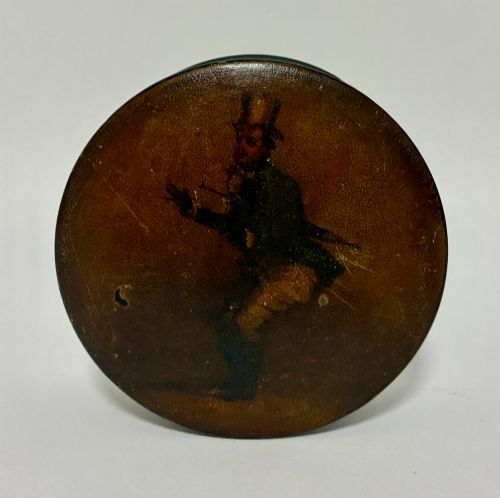
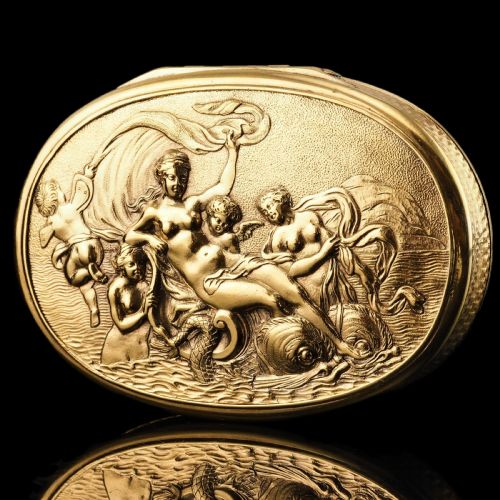
Materials span sterling silver, silver-gilt, 18 carat gold, papier-mache, lacquer, paint, oil paint, treen fruitwood, yew-wood, blond tortoiseshell, turtle shell, horn, and cast iron. Artisans worked these media into rigid containers designed for daily pocket or tabletop use.
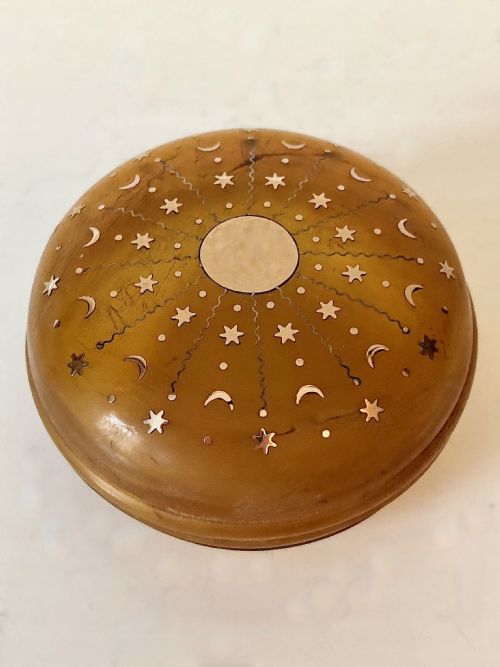
Techniques involve hand painting, pen work, and gold pique inlay set into tortoiseshell or lacquer surfaces. Metal boxes utilise assay office hallmarks and casting, while wooden and horn examples feature carved or turned construction.
Some German boxes feature concealed erotic scenes hidden beneath sliding panels, designed to amuse guests at Regency dinner tables.
What varies in quality
The quality of a regency tobacco box depends on the fineness of the materials used, such as solid 18 carat gold versus plated or base metals, and sterling silver over lesser alloys. Superior examples display substantial weight and precious metal content.
Artistic execution distinguishes standard containers from exceptional pieces, visible in detailed hand-painted scenes, gold pique inlay precision, and maker attribution. Presentation pieces and royal commissions represent the upper tier of manufacture.
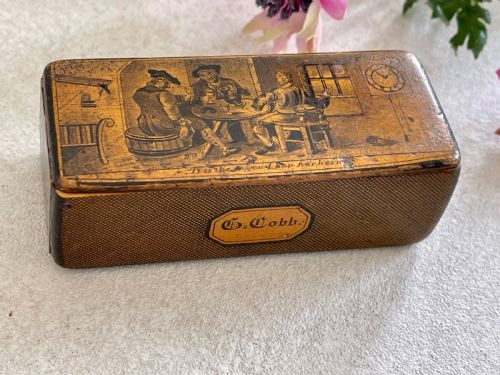
G Cobb·Joseph Wilmore·Charles Rawlings
The Regency Tobacco Box Glossary
- Snuff box
- A small pocket container designed to hold ground tobacco leaves for nasal ingestion. These items feature tightly fitted lids to preserve the contents.
- Papier-mache
- A composite material made from paper pulp or reinforced paper sheets mixed with glue, then moulded and lacquered. It provided a smooth surface for detailed miniature paintings.
- Silver-gilt
- Silver that has been coated with a thin layer of gold through fire gilding or electroplating. This finish combined the structural strength of silver with the rich colour of gold.
- Pique
- A decorative technique involving tiny pins of gold or silver inlaid into a tortoiseshell or horn ground to form geometric or pictorial patterns.
- Treen
- Small handmade wooden household objects and containers produced by turning on a lathe or through hand carving. Fruitwood and yew-wood were common mediums for these pieces.
- Snuff mull
- A container for snuff traditionally made from a ram's horn, often mounted with silver rims, hinges, and lids. Scottish examples frequently incorporated Cairngorm stones.
Regency Tobacco Box: Frequently Asked Questions
What is a regency tobacco box used for?
These boxes served to hold loose tobacco or ground snuff for personal consumption throughout the Georgian and Regency periods. Gentlemen carried them in pockets or placed them on tables for social use.
Their robust construction protected the contents from moisture and air, ensuring the tobacco or snuff remained fresh. Many double as snuff boxes due to the overlapping habits of smoking and nasal snuff taking.
How do I date a regency tobacco box?
Dating relies on hallmarking on silver and gold pieces, which records the assay office, date letter, and maker's mark. Stylistic clues like Neoclassical motifs or Biedermeier forms also indicate the period.
Materials such as papier-mache, tortoiseshell, and specific woods help narrow the production era to the late 18th or early 19th century. Maker attribution provides a precise window of manufacture.
What materials are regency tobacco boxes made from?
Makers utilised precious metals including sterling silver, silver-gilt, and 18 carat gold alongside cast iron. Organic materials like tortoiseshell, turtle shell, horn, and various woods were equally common.
Surface decoration often incorporated lacquer, oil paint, and gold pique inlay. Papier-mache served as a popular canvas for hand-painted scenes and pen work.
How should I care for antique boxes?
Keep these items away from direct sunlight, excessive heat, and moisture to protect delicate materials like tortoiseshell, horn, and papier-mache. Gentle dusting with a soft cloth preserves the original surface finish.
Avoid chemical polishes on painted or lacquered surfaces, as abrasives damage fine details. Silver and gold components benefit from occasional professional cleaning suited to antique precious metals.