
Regency Tilt Top
A regency tilt top table offers clever folding action and graceful proportions, making it a versatile centrepiece for any room.
Regency Tilt Top
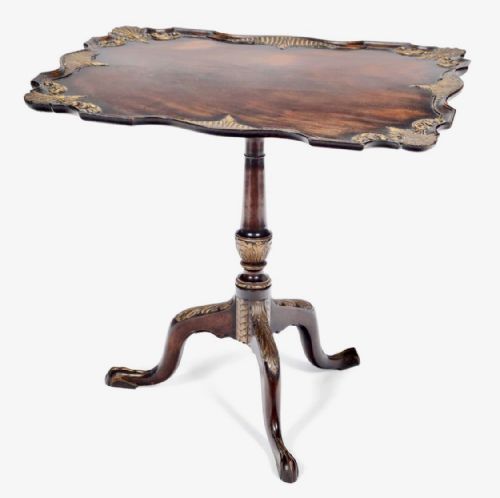
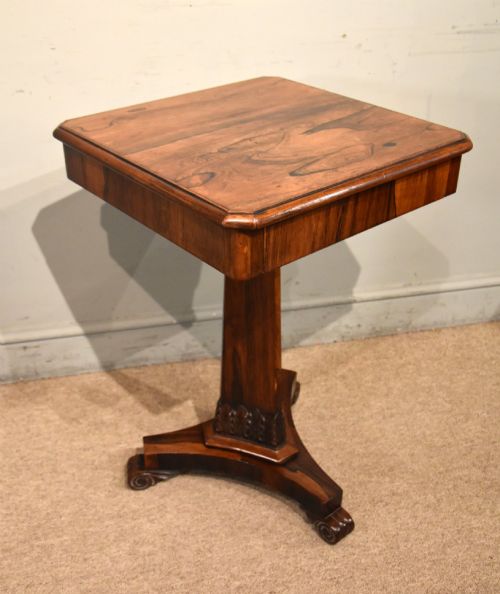
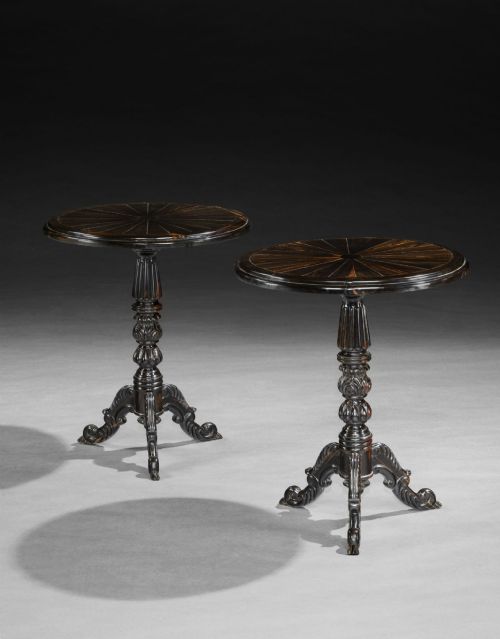
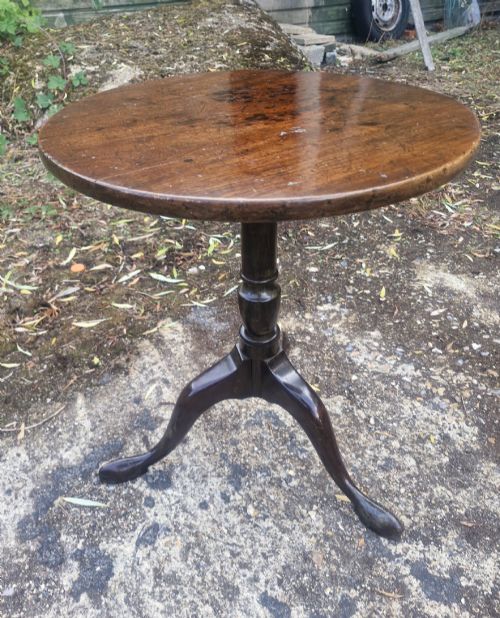
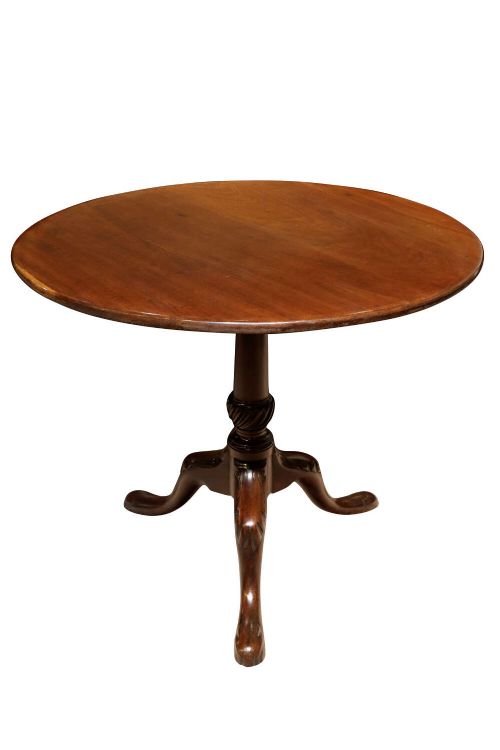
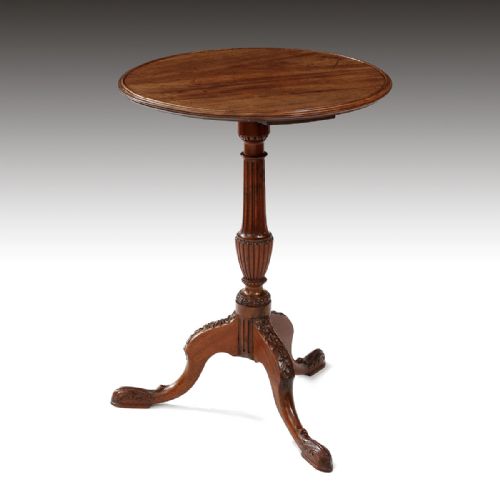
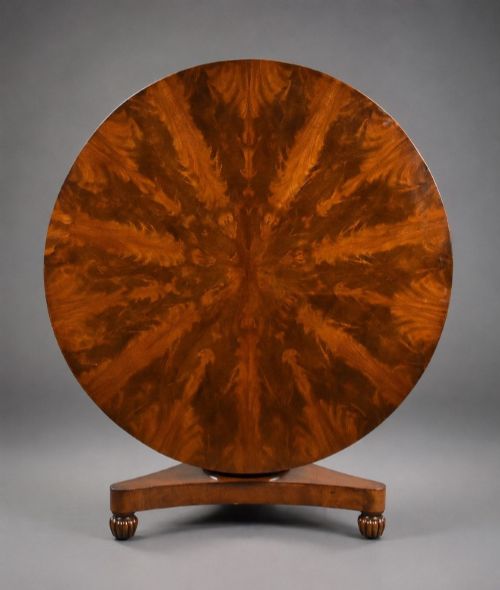
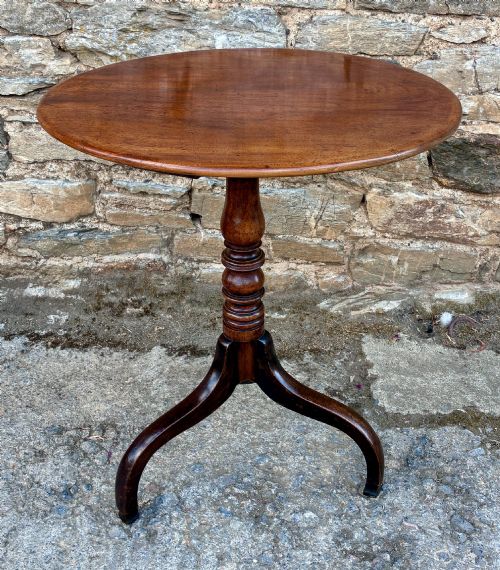
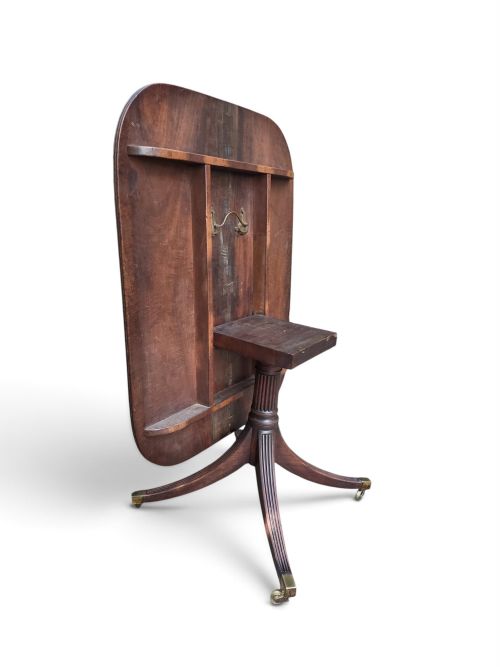
A regency tilt top table combines practical storage design with formal elegance, featuring a hinged mechanism that allows the surface to rotate and lock vertically when not in use. These pieces appear primarily in forms such as breakfast tables, wine tables, and tripod occasional tables.
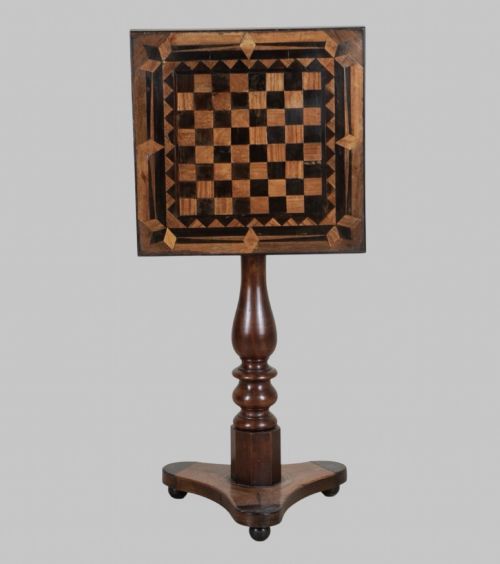
The materials and styles span the Georgian, Regency, and William IV periods, showing influences from Grand Regency to Anglo-Indian Colonial design. Mahogany and rosewood dominate the selections, alongside rarer timbers like satinwood and amboyna.
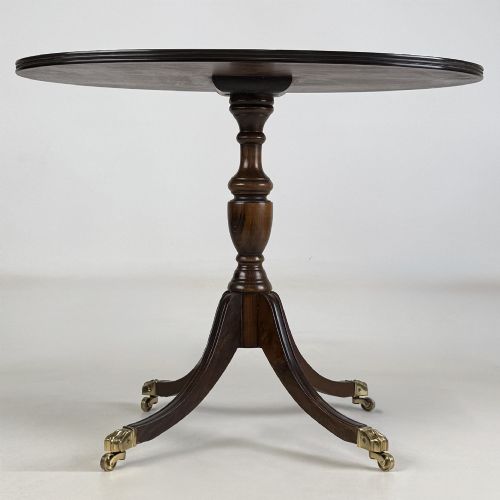
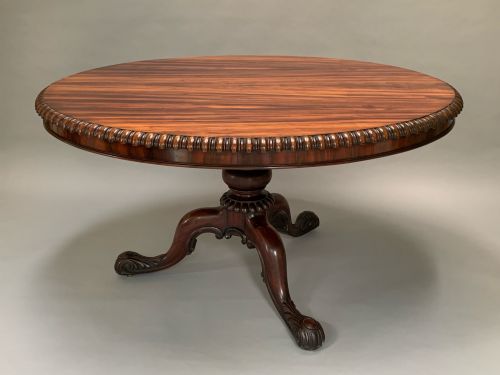
Buyers most frequently encounter circular breakfast tables and tripod wine tables dating from the early nineteenth century. These items served multi-functional roles in period homes, moving easily from side positions to the centre of the room for dining or tea.
How They Were Made
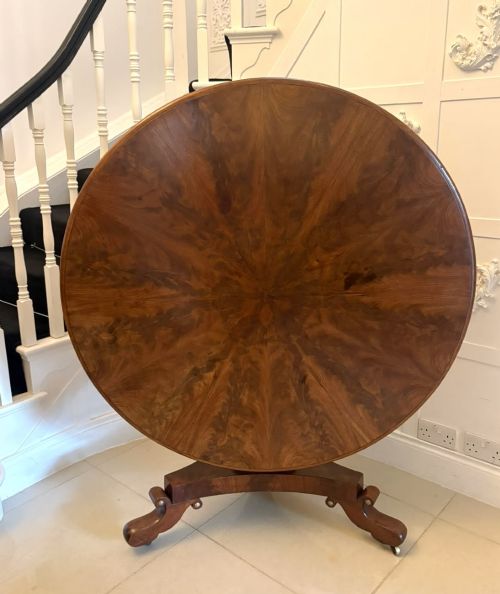
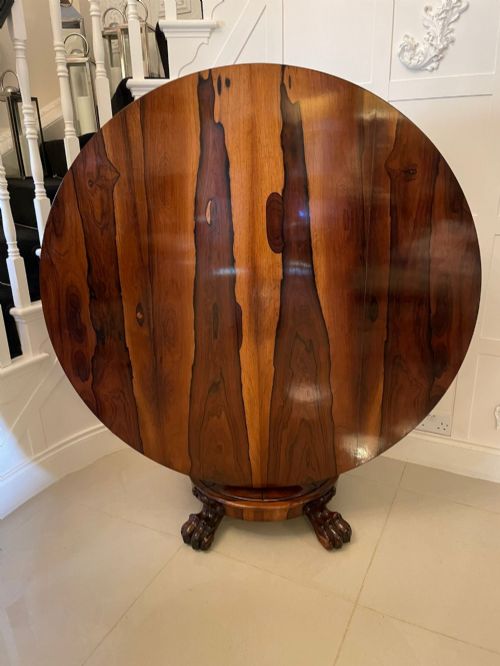
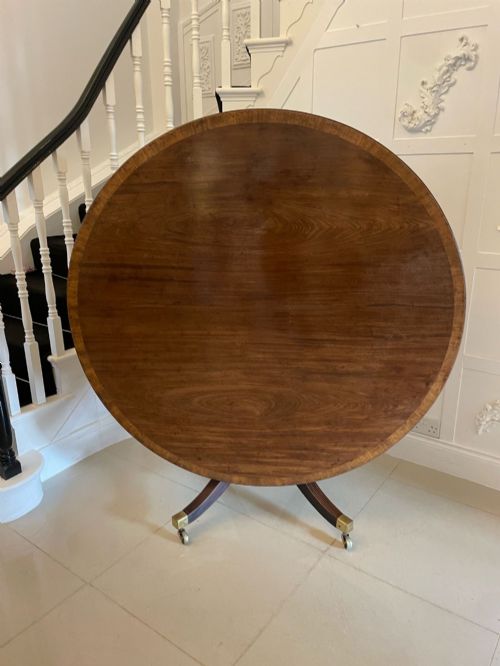
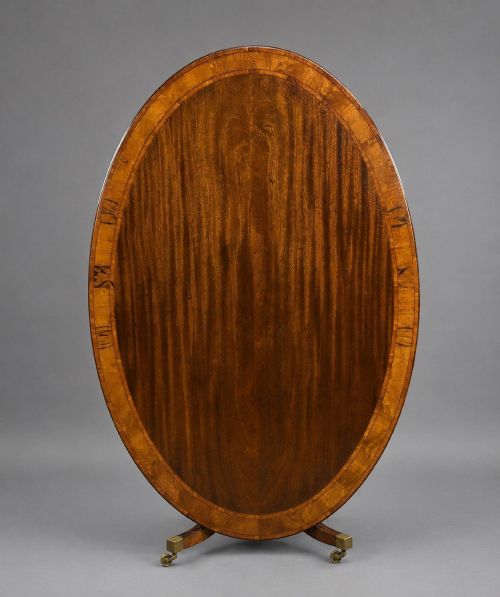
Cabinet makers utilised solid timbers alongside fine veneers like flame mahogany, rosewood, and pollard oak to create striking surface patterns. Tops often incorporate crossbanding, boxwood inlay, or brass details.
The tipping mechanism relies on a sturdy pillar and tripod or pedestal base, frequently featuring carved paw and claw feet or brass castors for mobility. Construction prioritises both balance for the heavy tilting mechanism and stability when locked flat.
Listings feature woods including satinwood, ebony, walnut, and flame mahogany veneer across the 18th, 19th, and 20th centuries.
What Varies in Quality
The distinction between tiers rests on the choice of timber and the precision of the mechanisms. Highly figured veneers and intricate inlay work indicate a finer workshop standard.
Structural integrity of the tilt action and the crispness of carved wooden details separate standard utility tables from exceptional examples attributed to prominent makers.
Gillows·Peters of Genoa
The Regency Tilt Top Glossary
- Tilt top
- A table top mounted on a hinged mechanism that pivots to a vertical position. This clever design saved valuable floor space in period drawing rooms.
- Tripod table
- A small table supported by a central pillar resting on three legs. These are often designed with the tilt top action for compact storage.
- Breakfast table
- A large circular or oval table used in the morning or for informal dining. They frequently feature a pillar and heavy base construction.
- Crossbanding
- A strip of veneer applied to the border of a table top running perpendicular to the main grain. This decorative technique creates a neat framing effect.
- Patina
- The surface sheen and mellowing developed by wood over many decades of age and use. It reveals the genuine history of the piece.
Regency Tilt Top: Frequently Asked Questions
How do you tilt the top safely?
Release the wooden catch or brass latch underneath the surface to allow the top to pivot upright.
Ensure the mechanism locks securely into place before moving the table against a wall.
What is a breakfast table used for?
These large circular pieces originally served for morning meals and informal gatherings in private rooms.
Today they function effectively as freestanding centre tables in dining spaces or large hallways.
How do I distinguish Regency from William IV?
Regency pieces often display refined classical restraint, slender pillars, and delicate brass inlay work.
William IV examples tend to be heavier in scale, featuring bolder carved rosewood or pollard oak timbers.
Can wine tables hold heavy lamps?
Small tripod wine tables provide stable support for lighting, books, or decorative objects.
Their balanced pedestal bases prevent tipping when items are placed centrally on the top.