
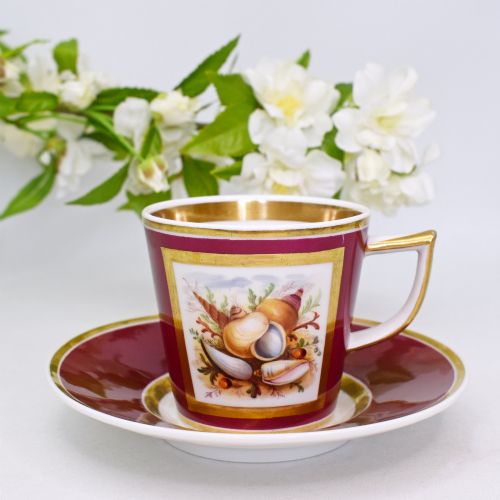
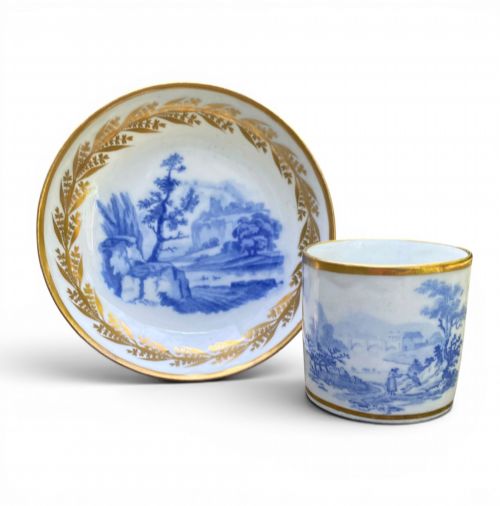


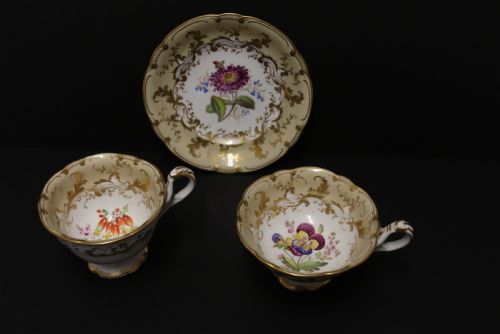
Regency Teacup Coffee Cup
These regency teacup coffee cup sets bring early nineteenth-century elegance to the table, combining delicate forms with vibrant handpainted details.
Regency Teacup Coffee Cup
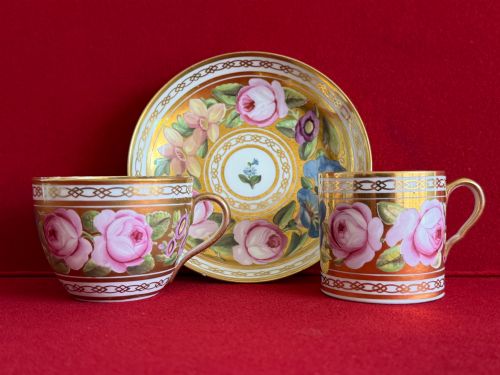
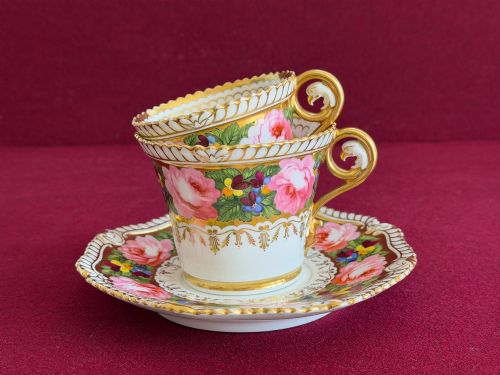
When you search for a regency teacup coffee cup, you are looking at early nineteenth-century English ceramics designed for the formal consumption of tea and coffee. The pieces available in this category span the Georgian and Regency periods, stretching from eighteen hundred to eighteen fifty.
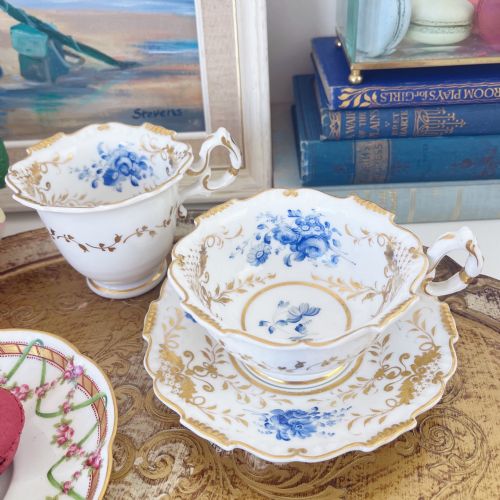
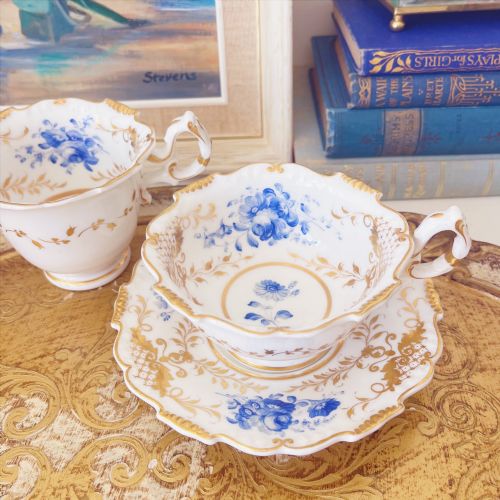
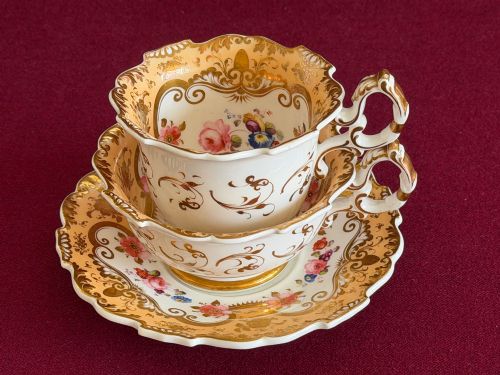
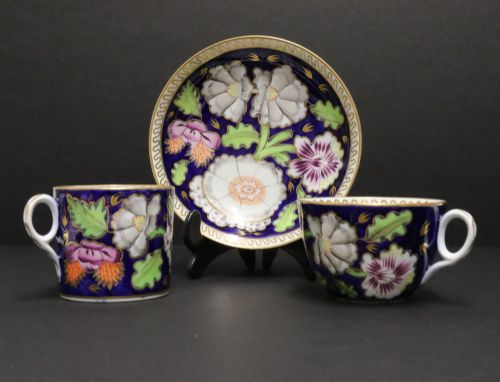
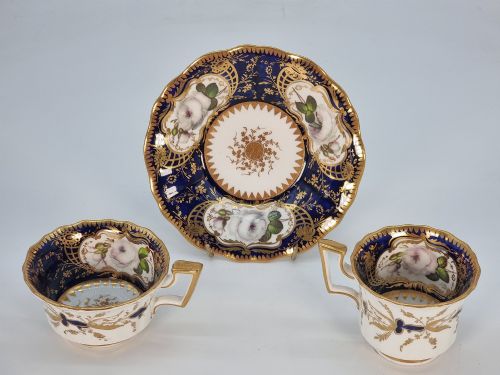
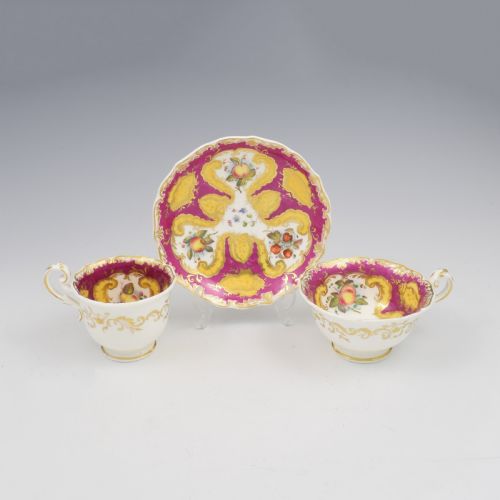
You are most likely to meet trios and matched sets featuring a teacup, a coffee cup, and a matching saucer. These items emerge from prominent English potteries of the era, shaped by the distinct aesthetic demands of the early eighteen hundreds.
The forms range from individual coffee cans to elaborate breakfast and cabinet trios. Each piece reflects the social rituals of the period, offering a tangible connection to the domestic habits of Regency society.
Assessing quality in early nineteenth-century ceramics
Quality in a regency teacup coffee cup rests on the crispness of the porcelain body and the refinement of its form. Superior examples display thin, even potting and perfectly balanced handles that sit comfortably in the hand.
The standard of decoration marks the primary division across the range. Finer pieces exhibit meticulous handpainted details and rich, burnished gold gilding rather than simple transfer printing or heavy, careless enamel application.
Materials recorded across these listings include porcelain, bone china, gold leaf, and enamel glaze.
H & R Daniel Shrewsbury·Chamberlain Worcester·Newhall Porcelain·Coalport John Rose·Rockingham Yates Leeds·Derby Porcelain·Worcester Porcelain·Minton·Spode·Davenport
The Regency Teacup Coffee Cup Glossary
- Trio
- A matched set consisting of a teacup, a coffee cup, and a saucer designed en suite. These three pieces form the standard configuration for formal early nineteenth-century service.
- Coffee can
- A cylindrical cup designed specifically for drinking strong coffee during the Georgian and Regency eras. These cups usually lack the flared rim found on standard teacups.
- Bone china
- A type of porcelain containing calcined bone ash, developed in England to increase strength and whiteness. It allowed potters to throw thinner, more delicate vessels.
- Gilding
- The application of gold leaf or gold powder to the ceramic surface. Artisans burnished this metallic decoration to create a bright, reflective finish on rims and handles.
- Enamel glaze
- A vitreous composition fused to the ceramic body by heat to provide colour and protection. This technique allowed makers to achieve vibrant, lasting hues across complex patterns.
Regency Teacup Coffee Cup: Frequently Asked Questions
What is a regency teacup coffee cup trio?
A trio consists of a teacup, a coffee cup, and a matching saucer packaged together for social entertaining. This combination accommodated the distinct preferences guests might have for tea or coffee during formal gatherings.
Such sets represent the height of early nineteenth-century ceramic production. They allow collectors to appreciate matching decorative schemes across different vessel shapes.
How do I use these cups today?
These pieces function well for occasional service if handled with proper care. Many collectors prefer to display them in cabinets to protect the delicate porcelain and gold gilding from wear.
Hand washing in warm water without harsh detergents preserves the handpainted enamel details. Sudden temperature changes should be avoided to protect the historic ceramic body.
How do I tell Regency pieces apart from later ones?
Regency ceramics display specific potting characteristics, handle shapes, and enamel palettes associated with the early decades of the nineteenth century. Examining the weight, translucency, and foot rim helps identify the manufacturing period.
Maker marks, where present, provide definitive clues to the pottery and date of creation. Comparing the pattern style with documented examples from this era confirms the provenance.
Why are there separate cups for tea and coffee?
Tea and coffee required different vessel designs in the Georgian and Regency periods. Teacups were typically wider and shallower to help the hot tea cool, while coffee cups were deeper and often cylindrical to retain heat.
Serving both beverages meant households needed specialised vessels for each drink. Trios neatly solved this requirement by providing both cup styles with a single shared saucer.