



Antique English China Trio
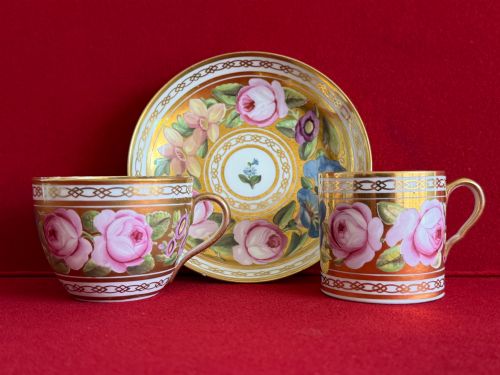
An antique English china trio brings together a matching teacup, coffee cup, and saucer from the eighteenth, nineteenth, or early twentieth century for the collector's table.
Antique English China Trio
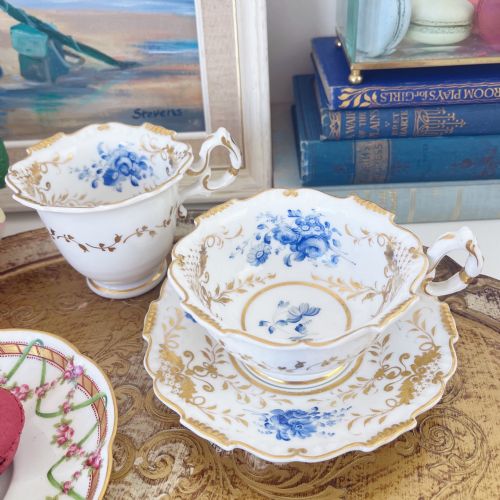
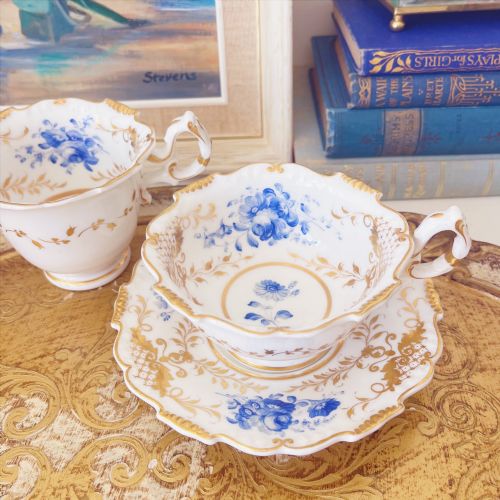
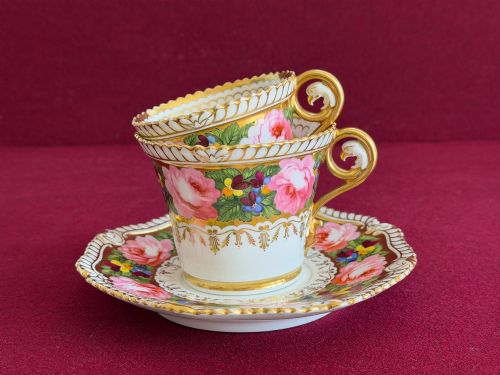
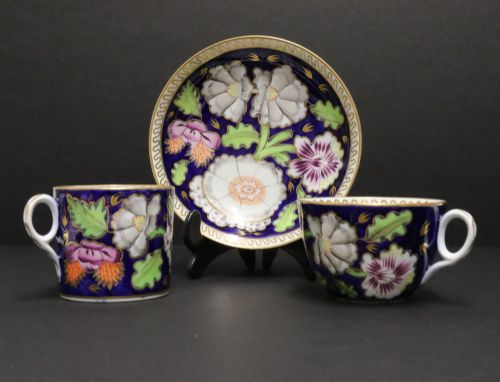
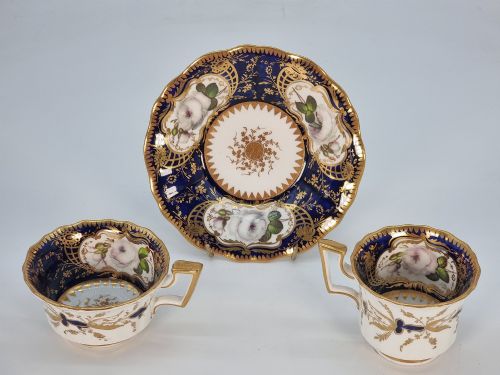
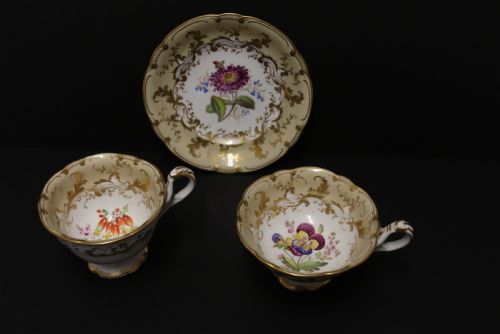
An antique English china trio typically consists of a matched teacup, coffee cup, and saucer intended for social gatherings and formal tea service. These three-piece sets appear across periods ranging from the eighteenth century through to the early twentieth century, including Regency, Georgian, and Edwardian examples. The forms include cabinet trios and standard teaware sets produced by notable English factories.
Most pieces encountered on this page date from the nineteenth century, capturing the evolution of tea and coffee drinking habits over several decades. Buyers find variations spanning from Flight Period Worcester and early Spode through to later Edwardian blush ivory and Art Deco productions. Each set preserves a specific moment in British ceramic history, often showing handpainted motifs or transfer-printed designs.
Materials and production methods
Porcelain and bone china form the structural body of these trios, shaped through traditional potting techniques before firing. Makers utilised enamel glazes to apply colourful decoration to the ceramic surface, often combining handpainting with intricate patterns.
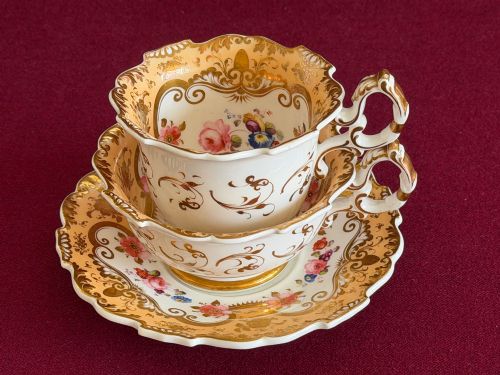
Gold leaf, gilding, and gold gilding provide the metallic enrichment seen on handles, rims, and borders. These precious applications require careful firing to bond the metal permanently to the porcelain glaze.
Some nineteenth-century Minton cups come decorated with patterns delightfully named 'Crazy Cow' and 'Bengal Tiger'.
Assessing quality in ceramic trios
The finesse of the potting and the transparency of the porcelain body distinguish finer trios from heavier utilitarian wares. Early cabinet trios often display superior translucency and more delicate handle mouldings, reflecting the ambitions of the factory.
The application of handpainted enamel and gold leaf indicates the skill level of the decorator. Crisp brushwork and precise gilding elevate a set, whereas simpler transfer prints represent standard commercial production.
H & R Daniel Shrewsbury·Chamberlain Worcester·Newhall porcelain·Coalport John Rose·Derby porcelain·Royal Worcester·Minton·Spode·Mason·Davenport·Gladstone potteries
The Antique English China Trio Glossary
- Trio
- A set of three matching ceramic pieces comprising a teacup, a coffee cup, and a saucer. This grouping became popular for serving both tea and coffee at the same social setting.
- Cabinet trio
- A decorative set intended primarily for display in a cabinet rather than for daily use. These pieces often feature finer painting or more elaborate gilding.
- Bone china
- A type of soft-paste porcelain containing bone ash, developed in England to create a strong, durable, and slightly translucent ceramic body.
- Enamel glaze
- A vitreous composition fused to the surface of the pottery by heat, used to add permanent colour and decoration. It sits slightly raised above the glazed body.
- Imari
- A decorative style inspired by Japanese export porcelain, characteristically featuring underglaze blue, iron red, and abundant gold gilding.
Antique English China Trio: Frequently Asked Questions
What is included in a china trio?
A traditional china trio comprises a matching teacup, a coffee cup, and a saucer designed to be used together.
This three-piece format allowed drinkers to enjoy different beverages from vessels specifically proportioned for tea or coffee during formal gatherings.
How do I date an antique trio?
Dating relies upon factory marks, ceramic bodies, and stylistic indicators such as the Regency or Edwardian shapes seen in the glaze and moulding.
Comparative study of known patterns and cabinet pieces helps narrow the decade of manufacture.
Can I use these trios for daily tea?
Most buyers prefer to reserve antique cabinet trios for display or very careful occasional use due to their age and delicate gold leaf.
Handwashing in warm water without abrasive detergents protects the enamel glaze and gilded details from wear.
Why are there two cups in a trio?
The inclusion of both a teacup and a coffee cup reflects nineteenth-century dining customs where guests might be served different hot drinks.
All three components share the same pattern, palette, and porcelain body to create a harmonious set on the tray.