


Regency Style Wall Sconces
Regency style wall sconces bring classical symmetry and gleaming metalwork to a room, offering both decorative presence and warm illumination.
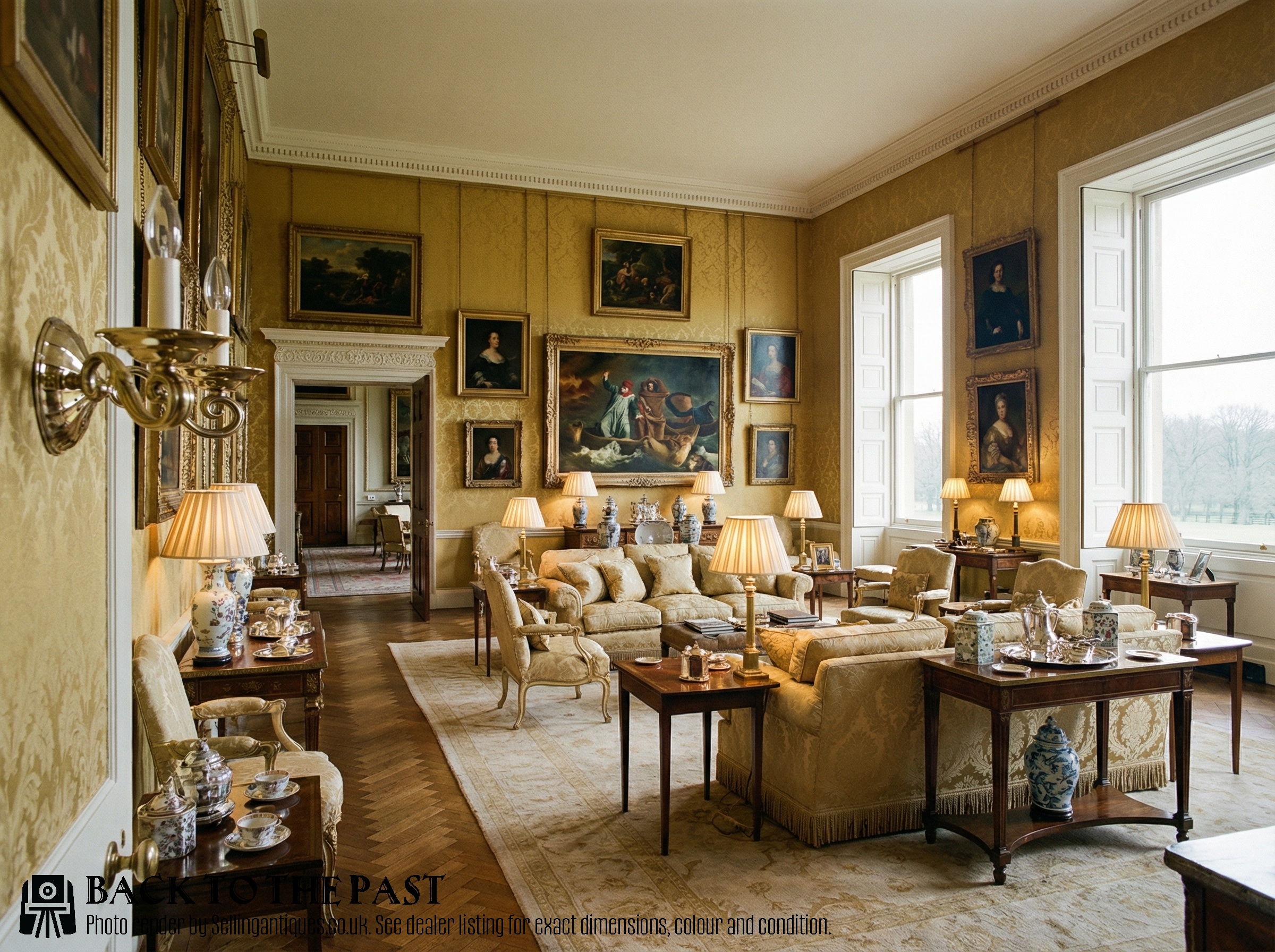
Regency Style Wall Sconces
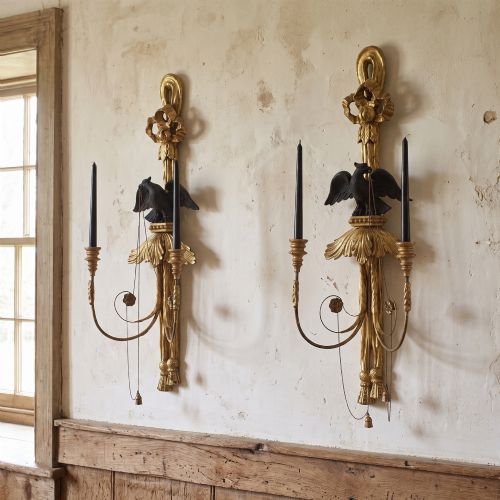
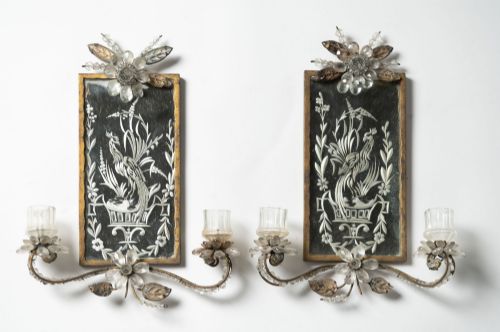
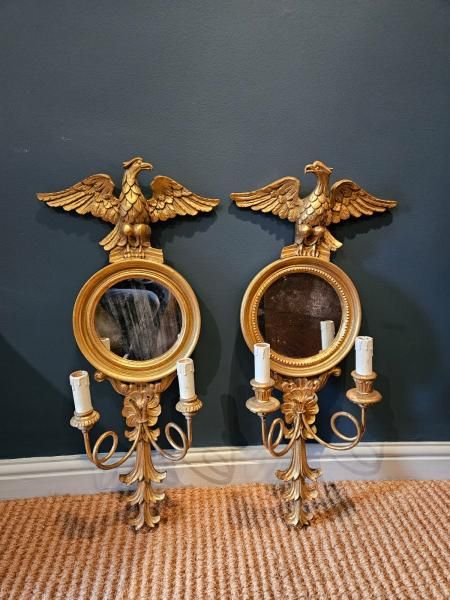
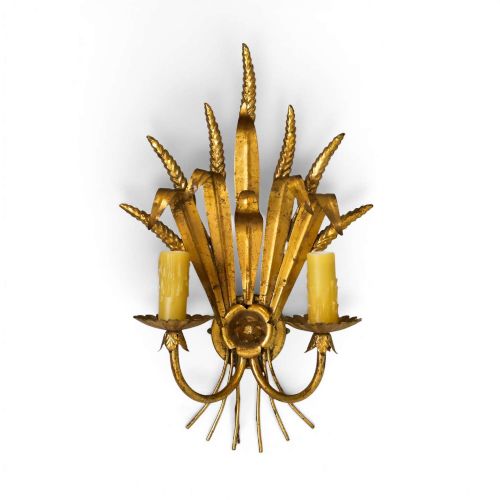
When you search for regency style wall sconces, you encounter decorative light fittings designed to mount directly onto vertical surfaces. The pieces listed across this page encompass wall lights, wall sconces, wall mirrors, and wall lanterns. These items reflect design influences from the nineteenth century onwards, including George III style, Neoclassical, and French Neoclassical approaches.
The versions most frequently met on this page date from the Edwardian period, the 1900s, 1910s, 1920s, and 1930s, alongside nineteenth-century examples and mid-century modern pieces. You will find items configured as single fixtures, pairs, and sets of three. Their forms range from twin-armed brass brackets to mirror-backed sconces and giltwood eagle designs.
Makers and origins recorded in the inventory point to English manufacture alongside pieces attributed to Maison Baguès. Materials span brass, metal, gilt metal, bronze, glass, rock crystal, gesso, and giltwood. Certain items incorporate specific decorative treatments, such as scarlet japanning or parrot motifs.
Distinctions in craftsmanship
The distinction between standard production and superior examples lies in the depth of hand-carving on giltwood elements and the crispness of cast detail on brass or bronze components. Finer pieces demonstrate precise chasing and balanced proportions across twin arms and backplates. Materials such as rock crystal and high-grade gilt display greater optical clarity and richer surface patination.
Structural integrity and the quality of historical surface treatments, whether original gilding or japanned finishes, separate well-preserved specimens from heavily altered items. The sophistication of stylistic execution, from restrained English classical forms to elaborate neoclassical brackets, defines the upper tier of the range.
Materials recorded across the inventory include rock crystal, giltwood, bronze, and scarlet japanned metal.
Maison Baguès
The Regency Style Wall Sconces Glossary
- Girandole
- A decorative wall sconce featuring a mirror backplate that reflects candlelight. These pieces combine lighting utility with reflective glass to brighten interior spaces.
- Giltwood
- Timber carved and coated with a thin layer of gold leaf or gilt paint. This material appears frequently on classical and neoclassical wall fittings.
- Japanning
- A European imitation of East Asian lacquerwork used to finish furniture and metal objects. Sconces finished with scarlet japanning display coloured and varnished decorative surfaces.
- Neo Classical
- A style drawing inspiration from the classical art and architecture of ancient Greece and Rome. Items of this design incorporate symmetrical geometry and classical motifs.
- Rock Crystal
- Naturally occurring colourless quartz cut and polished for decorative use. It is utilised in lighting fixtures to catch and refract light.
Regency Style Wall Sconces: Frequently Asked Questions
How do I wire antique wall sconces?
Many older wall lights require professional rewiring to meet modern electrical safety standards. An electrician can adapt historical fixtures safely for domestic use.
Ensure that any electrical modifications respect the original structure of the brass or metal arms without damaging historical components.
How do I clean giltwood and brass?
Giltwood requires dusting with a soft, dry brush to protect fragile leaf finishes. Avoid moisture and chemical cleaners on gilded wooden surfaces.
Brass components tolerate gentle polishing with appropriate metal creams, provided you keep cleaning agents away from surrounding glass or wooden parts.
What defines the Regency style?
The Regency style draws heavily on classical Greek and Roman aesthetics, featuring clean lines and symmetrical arrangements. This design approach emerged during the early nineteenth century and influenced later decorative arts.
Elements such as eagle motifs, classical drapery, and formal metalwork frequently characterise pieces from this design tradition.