


Regency Style Table Lamps
Regency style table lamps bring neoclassical and French Empire character to a room through classical forms and polished metals.
Regency style table lamps
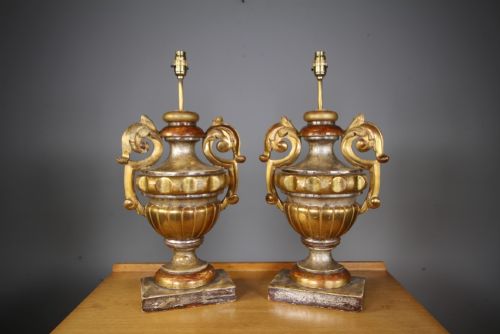
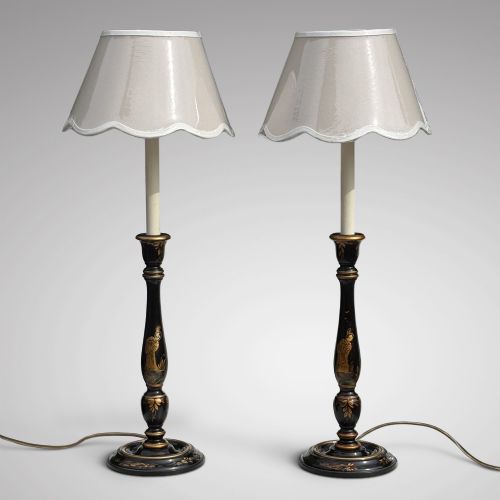
Regency style table lamps appear across periods including nineteen-hundred, nineteen-twenty, and nineteen-thirty, drawing on neoclassical and French Empire designs. The selection consists of pairs, often configured as twin-arm candelabra, dressing table lamps, or large decorative fixtures.
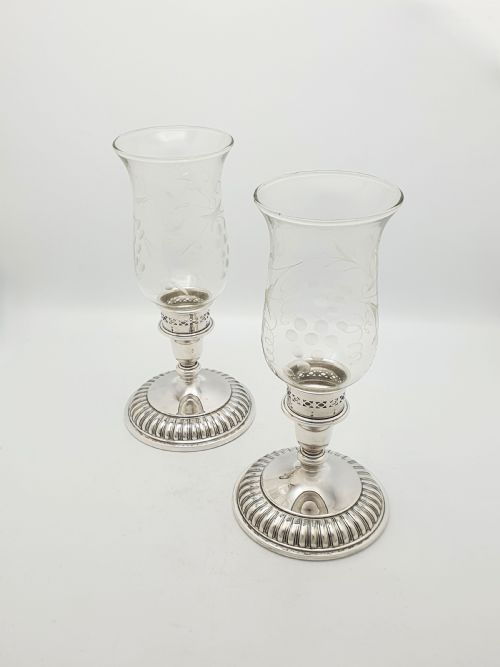
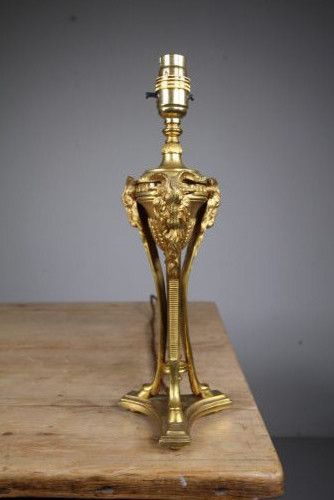
The physical forms include pineapple motifs, merman figures, and classical urn or column silhouettes. Materials range from alabaster and walnut to brass, gilt bronze, patinated metal, enamel, and glass, frequently paired with fabric or silk shades.
Materials and construction
Makers utilised cast and gilt metals, combining brass, bronze, and patinated metal with carved alabaster or turned walnut. Metal components often feature gilding or patination to emulate the neoclassical palette.
Glass, enamel, and crystal elements are integrated into structures alongside fabric and silk shades. Assembly typically involves heavy metal bases supporting candelabra arms or central stems.
Retail Price Guide 2026
Typical UK retail prices for regency style table lamps, calculated from the Sellingantiques database of over a million retail prices indexed since 2003. This retail price guide relies exclusively on Sellingantiques data; no external sources or auction records are used, so the figures do not describe the wider market.
Some nineteenth-century revivalists clearly believed every hallway needed a merman holding a pair of lightbulbs.
Evaluating quality
Superior examples demonstrate refined casting in the metalwork, particularly in figural elements like mermans or pineapple motifs, alongside genuine alabaster or walnut rather than substitute materials. The integration of gilt bronze and crystal components shows greater weight and detail in higher-tier pieces.
The treatment of surfaces distinguishes the range, where hand-applied patination and durable gilding provide depth compared to flat or uniform finishes. Cohesion between the base materials, such as marble or patinated metal, and the accompanying silk or fabric shade determines the visual balance.
The Regency Style Table Lamps Glossary
- Neoclassical
- A style drawing inspiration from the classical art and culture of ancient Greece and Rome. It influences the symmetrical forms and architectural motifs seen in these lamps.
- French Empire
- An aesthetic movement characterised by grand neoclassical forms, military motifs, and rich use of gilt bronze. This style informs the decorative vocabulary of many listed pairs.
- Gilt bronze
- Metal alloy coated with a thin layer of gold, providing a bright golden finish. It appears frequently on mounts and bases.
- Alabaster
- A fine-grained, translucent stone used for carved lamp bodies. It diffuses light and shows natural mineral veining.
- Candelabra
- A branched candlestick holder adapted into a lamp fitting. Twin-arm versions distribute light across multiple points.
Frequently Asked Questions
What periods do these lamps come from?
The pieces span the early twentieth century, specifically appearing across nineteen-hundred, nineteen-twenty, and nineteen-thirty.
They reflect historical revivals of neoclassical and French Empire design rather than original nineteenth-century manufacture.
Are these lamps sold as pairs?
The majority of the listings consist of matched pairs, including twin-arm candelabra and dressing table variants.
Pairs are designed to be placed symmetrically on surfaces such as sideboards or side tables.
What materials are used in the construction?
Construction materials include brass, bronze, patinated metal, gilt metal, alabaster, walnut, glass, and crystal.
Shades are typically fashioned from fabric or silk to complement the metal and stone bases.
How do I identify French Empire style?
French Empire style is marked by formal classical symmetry, rich metal gilding, and motifs derived from ancient empires.
It appears on this page through gilt brass and bronze elements paired with structured silhouettes.