




Regency Style Salon Chairs
Regency style salon chairs are seating pieces bringing neoclassical lines and carved timber into reception spaces.
Regency Style Salon Chairs
When searching for regency style salon chairs, collectors examine pieces originating from the nineteenth century through the early decades of the twentieth century. These furnishings appear as armchairs, side chairs, and dining chairs shaped by neoclassical and revival influences.
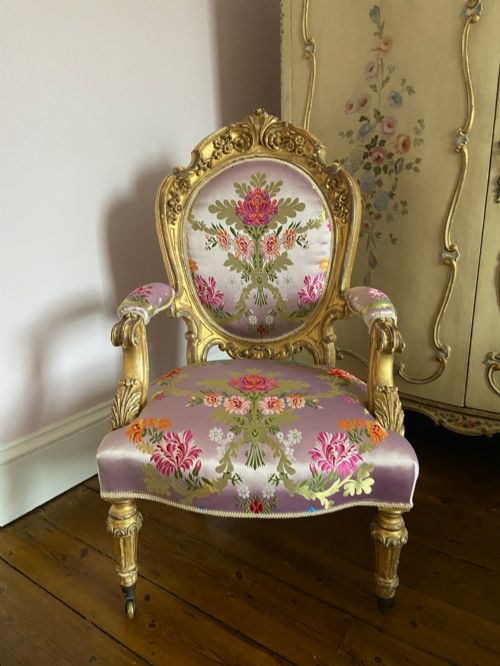
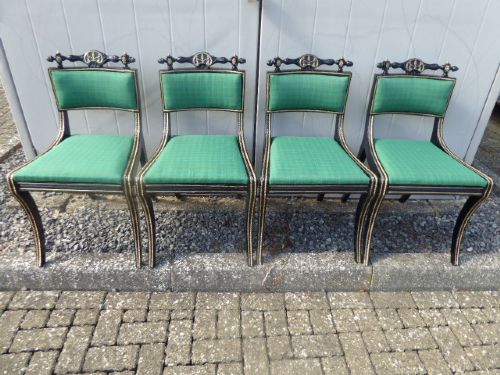
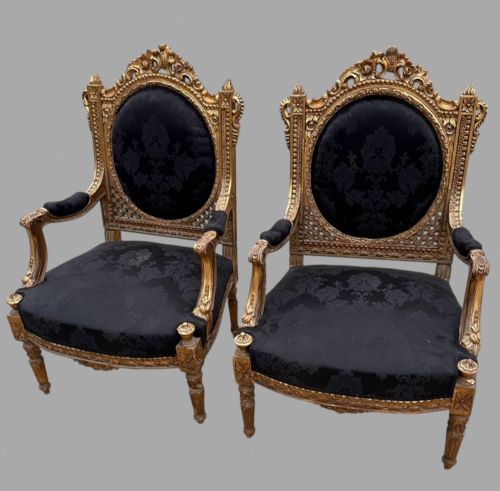
The version most commonly met on this page is the pair of mahogany armchairs or side chairs dating from the nineteenth century. Makers also produced these seats in walnut, ebonised timber, and gilt wood, drawing upon Regency, Grand Regency, Rococo Revival, Hollywood Regency, French Neoclassical, and William IV styles.
How they were made
Craftsmen shaped these chairs primarily from solid mahogany, walnut, and maple timber, often applying ebonised finishes or gilt wood highlights. Structural framework relied on traditional joinery to support the upright backs and seat rails.
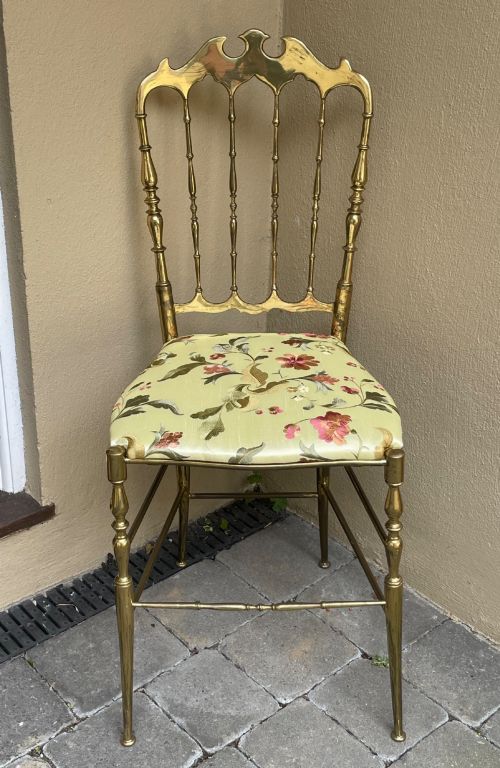
Makers upholstered the seating areas using various fabrics including silk and general upholstery fabric to provide comfort. Polished brass details occasionally accented the timber frames on later twentieth century examples.
The inventory spans the nineteenth century through the early twentieth century, encompassing Regency, Rococo Revival, and William IV styles.
What varies in quality
The distinction between tiers of these chairs lies in the crispness of the timber carving and the fidelity of the period styling. Early nineteenth century examples demonstrate deeper hand-tooling on the wood compared to later twentieth century revivals.
Selection of primary timbers such as figured mahogany or maple alongside original gilt or ebonised surfaces elevates the physical presence of the seating. The integrity of the frame construction and the choice of textile coverings further separate standard production from exceptional examples.
Henry Thomas Peters·Gillows
The Regency Style Salon Chairs Glossary
- Mahogany
- A dense tropical timber valued for its rich dark grain and stability in furniture construction. It served as the primary material for high-end nineteenth century seating frames.
- Giltwood
- Timber coated with a thin layer of gold leaf or gilt preparation to create a luminous metallic surface. This finish frequently highlights carved ornamentation on formal reception chairs.
- Ebonised
- Timber treated with stains or finishes to imitate expensive ebony wood. This dark process creates a striking contrast against upholstered fabrics.
- William IV
- A British design period spanning the 1830s characterised by robust classical proportions and scrolling woodwork. Chairs from this era often incorporate maple or mahogany.
Regency Style Salon Chairs: Frequently Asked Questions
Where were regency style salon chairs used?
These chairs served primarily in formal reception rooms, drawing rooms, and private parlours where guests gathered for conversation. Their decorative frames and upholstered seats were designed to display taste and status.
Over time, owners also placed them in bedrooms and occasional spaces as accent seating. Their relatively light construction allowed servants to reposition them easily around the room.
How do I identify a nineteenth century piece?
Nineteenth century examples typically exhibit dense timbers like mahogany or walnut combined with hand-carved details that reflect Regency or William IV design canons. The joinery methods and patination on the wood surfaces offer reliable indicators of age.
Later revivals from the twentieth century often display machine-tooled elements or differing finish compositions. Comparing the weight and construction style helps establish the manufacturing era.
Can these chairs be used daily?
Most of these chairs function well for regular seating provided the internal frame and joinery remain secure. Periodic checking of the legs and seat rails ensures stability during everyday use.
Owners often protect delicate silk or period upholstery fabrics by adding loose covers or placing the chairs in low-traffic areas. Careful handling preserves both the timber structure and the textile coverings.
What defines French neoclassical style?
This style draws inspiration from classical antiquity, featuring restrained ornamentation, straight tapered legs, and symmetrical forms. It avoids the heavy curves of earlier baroque designs in favour of clean architectural lines.
In salon chairs, this translates to balanced proportions and refined carving along the backrest and arm supports. These elements create an air of formal elegance suitable for grand interiors.