

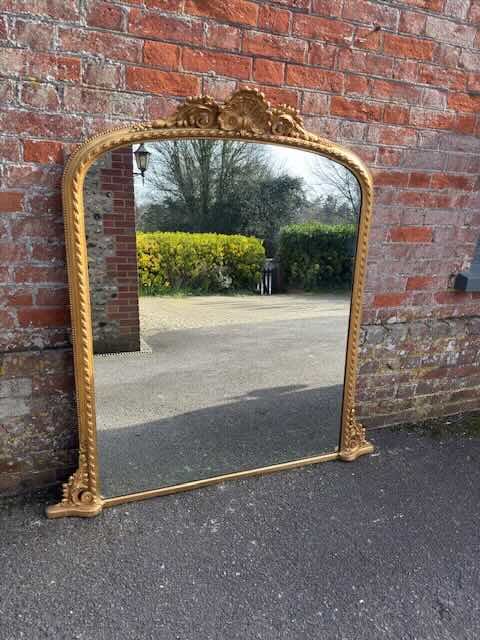


Regency Style Fireplace Mirror
A regency style fireplace mirror brings classical proportion and reflective light above a hearth, drawing the eye naturally along a mantelpiece.
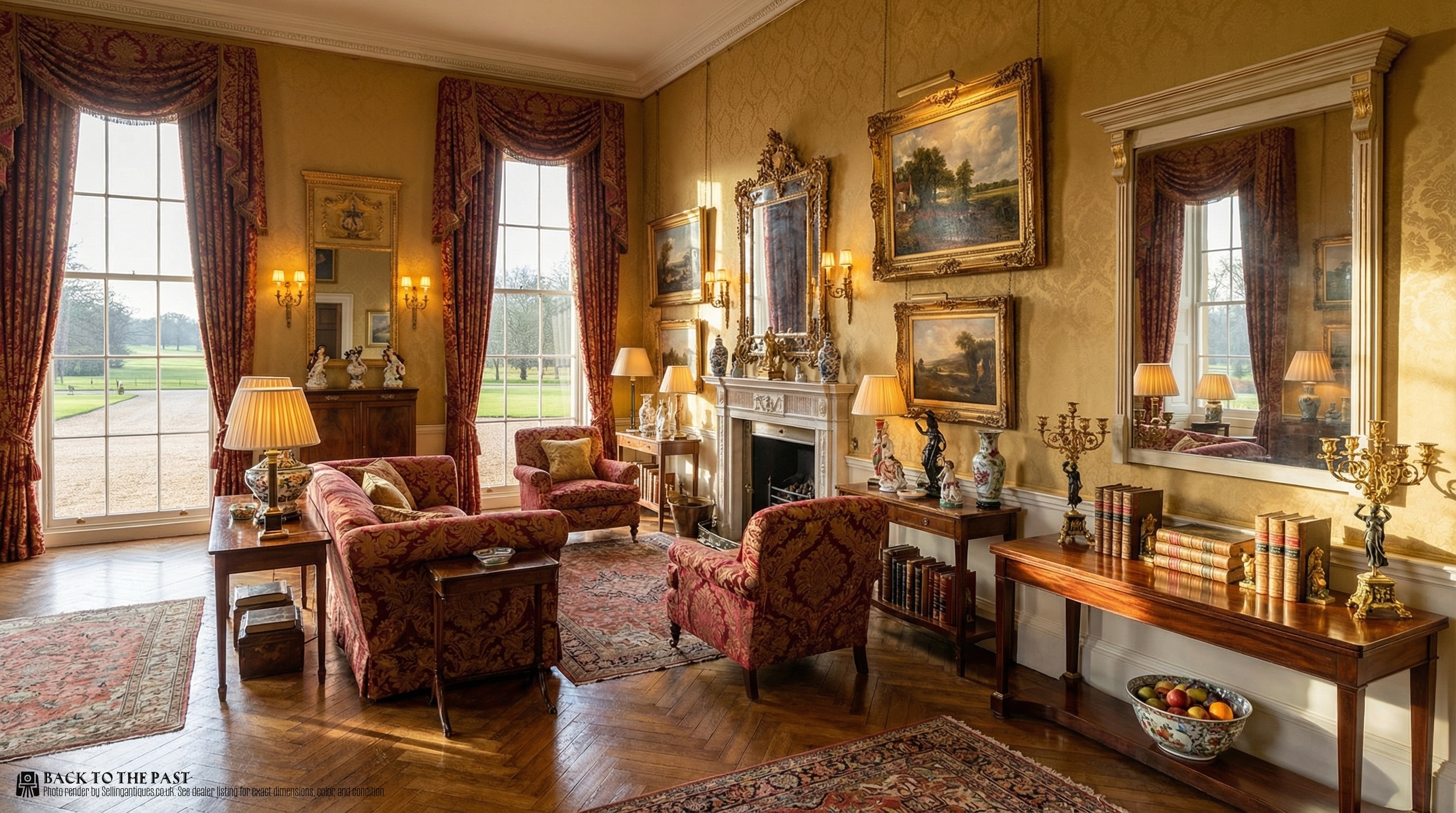
Regency Style Fireplace Mirror
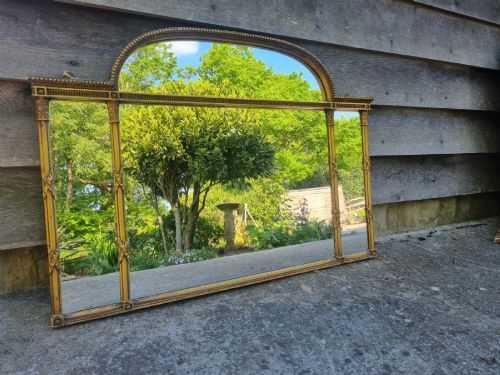
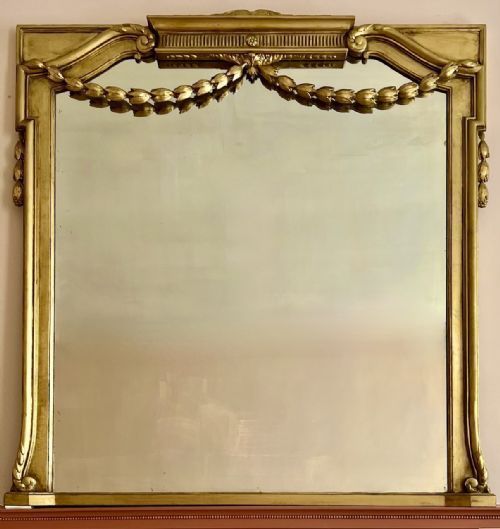
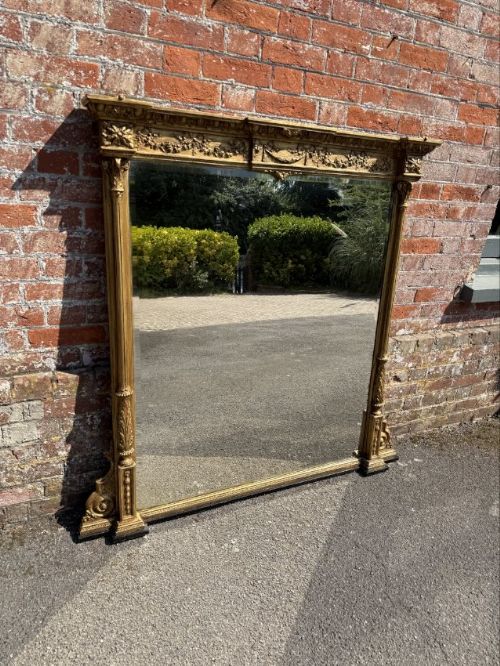
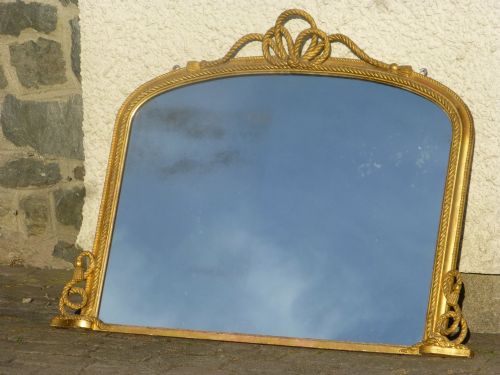
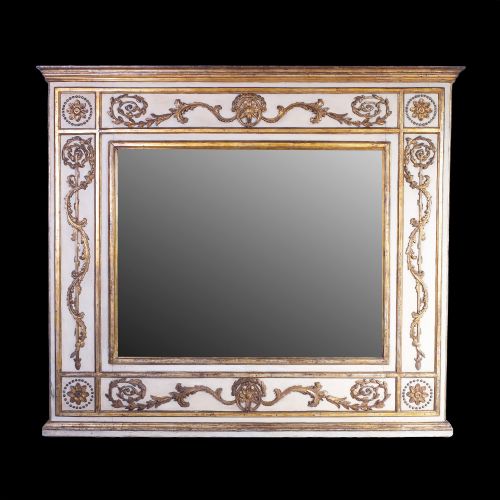
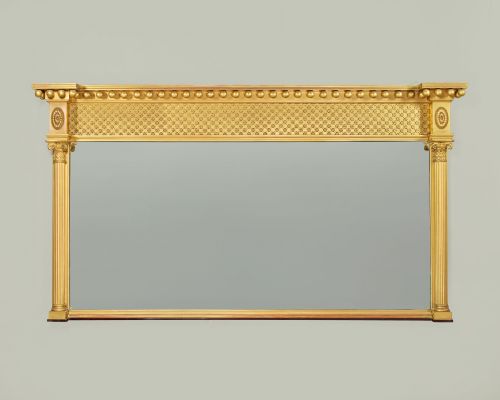
A regency style fireplace mirror is primarily represented on this page by large overmantel mirrors designed to sit directly above a chimneypiece. These horizontal landscape forms reflect the room while anchoring the hearth within the interior architecture.
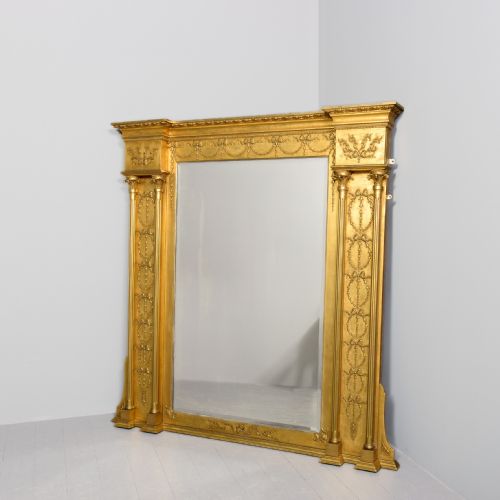
The selection spans periods from the nineteenth century into the Edwardian era, incorporating styles such as Victorian classical revival and neoclassical alongside authentic Regency pieces. Most examples function as grand wall mirrors suited to principal reception rooms.
How they were made
Carved wood and gesso form the structural base for many frames, allowing intricate moulded details like rope twists, columns, and neoclassical decorations to be applied before gilding. Gold leaf and composition materials provide the bright metallic surfaces seen across the nineteenth-century examples.
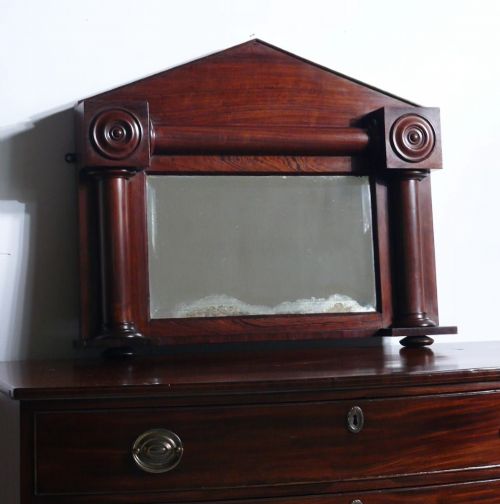
Alternative frames utilise walnut, rosewood, or ebonised wood combined with brass detailing or parcel paint finishes. Mirror glass is frequently set as a single large plate or divided into triple plate configurations.
Listings feature nineteenth-century and Edwardian periods, utilising materials such as giltwood, gesso, ebonised wood, walnut, and rosewood.
What varies in quality
The depth and crispness of the carved wood and gesso ornamentation distinguish finer frames from simpler production. Superior examples display sharply defined column framing and detailed rope twist or neoclassical motifs that retain their original definition beneath the gilt.
The clarity of the mirror glass and the integrity of the wooden structure also determine standard. Pieces featuring multi-plate glass arrangements or painted and parcel-gilt finishes demonstrate varying degrees of decorative complexity.
The Regency Style Fireplace Mirror Glossary
- Overmantel mirror
- A large horizontal mirror specifically scaled to hang above a fireplace mantelpiece. These pieces often feature landscape orientations to balance the width of the hearth below.
- Gesso
- A plaster-like mixture applied to wooden frames and carved or moulded into decorative reliefs before gilding. It provides the smooth white ground necessary for a bright gold leaf finish.
- Giltwood
- Timber that has been coated with gold leaf or metallic powder. It produces the characteristic reflective warmth found on nineteenth-century frames.
- Triple plate mirror
- A glass configuration divided vertically into three distinct sections within a single frame. This layout creates segmented reflections common in Victorian formats.
Regency Style Fireplace Mirror: Frequently Asked Questions
Where should a regency style fireplace mirror be hung?
These mirrors are traditionally positioned centrally above a fireplace mantelpiece to reflect light and balance the proportions of the hearth.
They also function effectively on principal living room walls where their horizontal format opens up the surrounding space.
How do I identify a nineteenth-century overmantel mirror?
Nineteenth-century examples typically employ heavy carved wood and gesso frames finished in gold leaf or giltwood, often featuring neoclassical columns or rope twist details.
Construction methods involve traditional timber framing techniques suited to supporting substantial glass plates above a fireplace.
What is the difference between single and triple plate mirrors?
A single plate mirror utilises one continuous sheet of glass to provide an uninterrupted reflection across the entire frame width.
Triple plate versions divide the glass into three distinct vertical sections, introducing traditional framing bars across the reflective surface.
How do I care for antique giltwood frames?
Giltwood and gesso surfaces require gentle dusting with a soft, dry cloth to prevent accumulation without disturbing the delicate metallic leaf.
Liquid cleaners and abrasive materials must be avoided to protect the original nineteenth-century finishes from damage.