






Parcel Gilt Mantel Mirror
A parcel gilt mantel mirror brings height and a flash of gold leaf to a room, framing reflections above a fireplace.
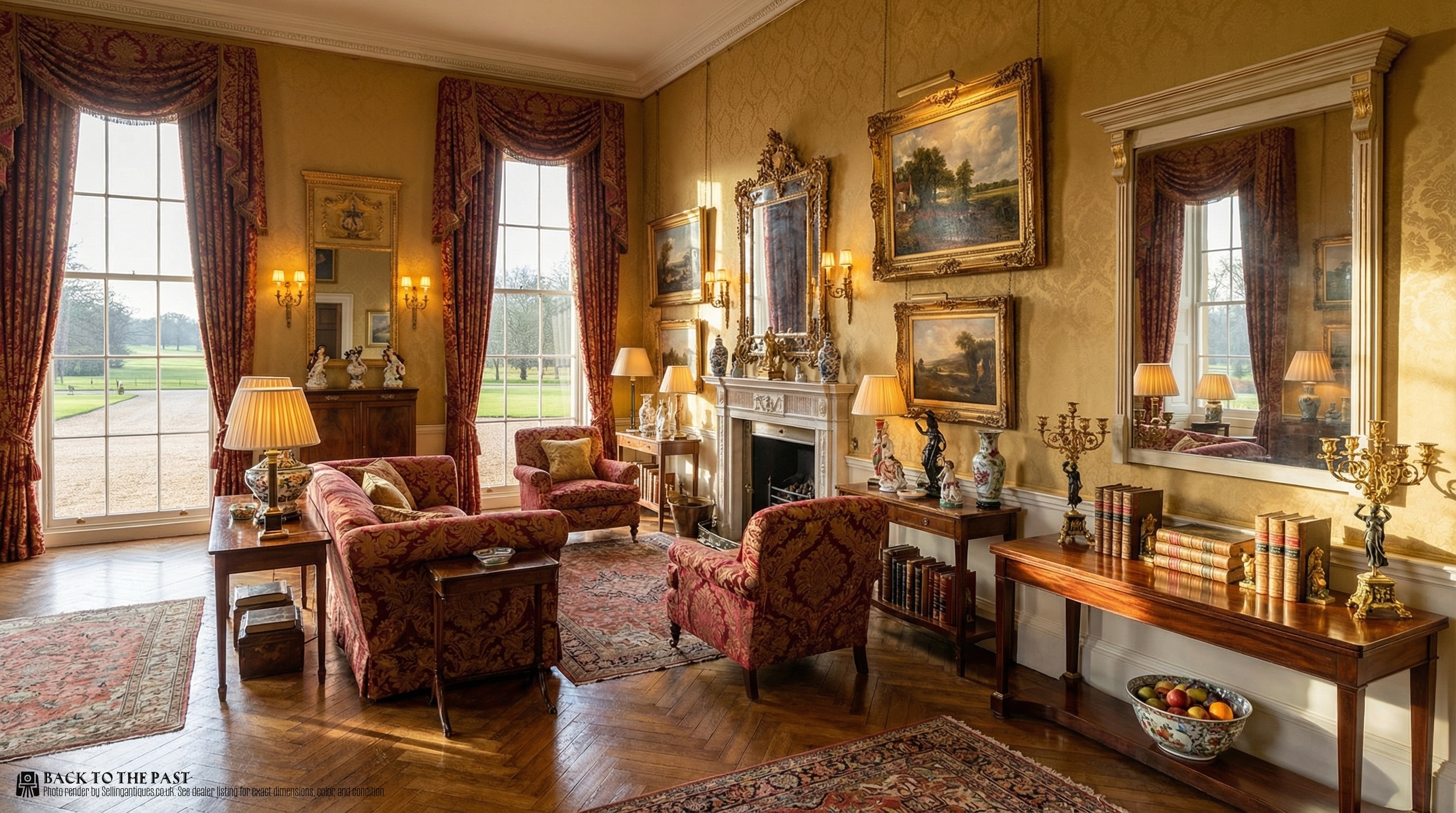
Parcel Gilt Mantel Mirror
When you search for a parcel gilt mantel mirror, you are looking at large overmantel and wall mirrors designed to sit above a fireplace. The examples you meet on this page lean heavily towards the Victorian period, alongside earlier Georgian pieces and later 20th-century forms.
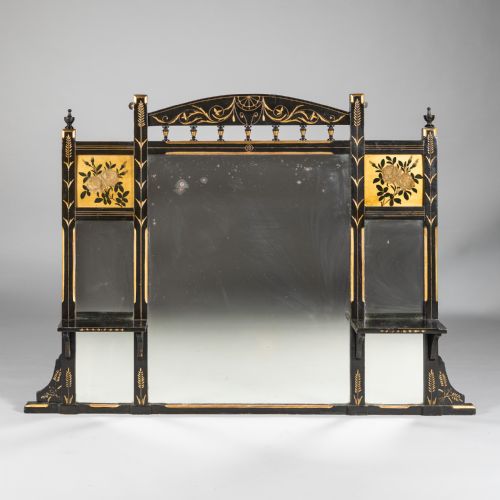
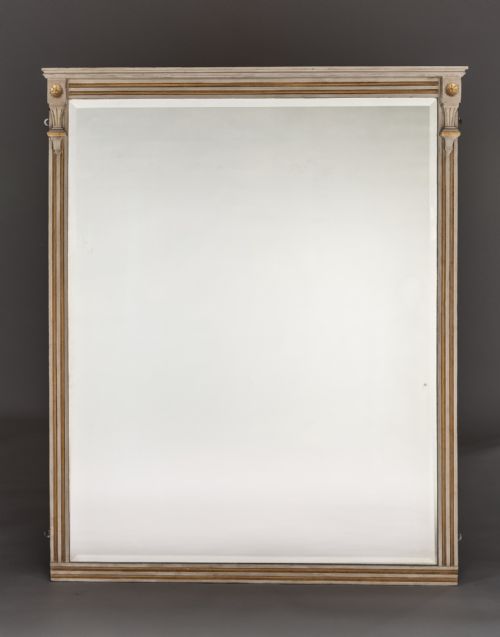
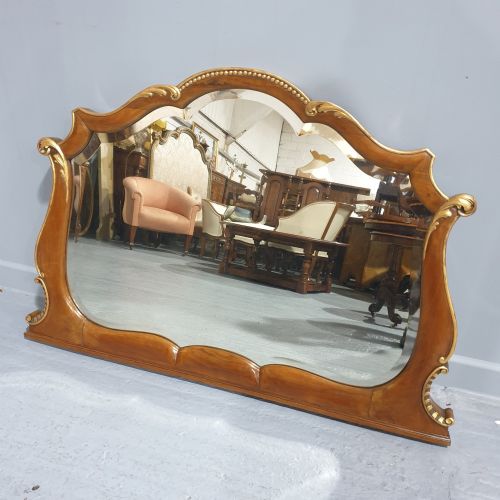
The frames appear in various woods including mahogany, walnut, oak, and ebonised timber. Many carry paint or gesso beneath their partial gilding, creating a deliberate contrast between dark surfaces and bright gold details.
How they were made
Carved wood and gesso form the foundation of these frames, providing a smooth base for the application of gold leaf. Craftsmen utilised paint, simulated wood finishes, and ebonisation on the timber sections to contrast with the gilded highlights.
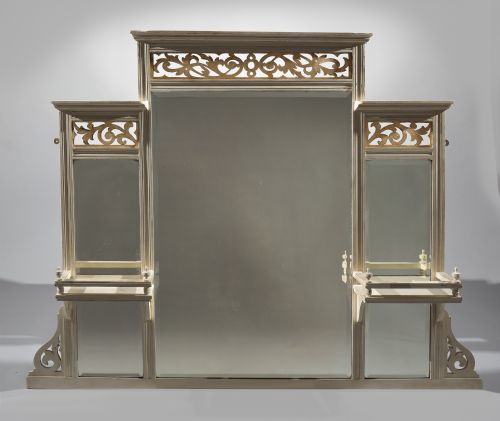
Mirror glass is set within the wooden and gesso structures, occasionally divided into multiple plates as seen in triple plate configurations. The gilding is applied selectively to carved motifs, mouldings, and raised details rather than covering the entire frame.
Periods represented span from the 18th-century Georgian era through the Victorian age into the early 20th century.
What varies in quality
The crispness of the carved wood and the depth of the gesso mouldings separate finer frames from simpler iterations. Hand-carving and careful preparation of the underlying surface dictate how well the parcel gilding catches the light.
The choice of primary timber also marks the distinction between standard and superior pieces, with figured woods like walnut and mahogany commanding attention. The preservation of the original painted or ebonised surfaces alongside the gold leaf preserves the integrity of the object.
The Parcel Gilt Mantel Mirror Glossary
- Parcel Gilt
- A method of decoration where only specific parts of an object are covered in gold leaf. This technique highlights carved details against a contrasting background of wood or paint.
- Overmantel Mirror
- A large mirror specifically designed to hang or rest on the mantelpiece above a fireplace. These pieces often dominate the wall space in Victorian and Georgian interiors.
- Gesso
- A plaster-like mixture applied to wood frames to create a smooth surface for gilding and carving. It allows craftsmen to fashion intricate raised ornamentation.
- Ebonised Wood
- Timber treated with a stain or finish to imitate ebony. This dark surface frequently serves as a contrasting base for parcel gilt highlights.
- Pier Mirror
- A tall mirror designed to fit on the wall between windows, though the term sometimes overlaps with mantel mirrors in period listings.
Parcel Gilt Mantel Mirror: Frequently Asked Questions
Where should a mantel mirror hang?
These mirrors traditionally rest on the mantelpiece or mount directly to the wall above a fireplace. Their large scale allows them to anchor the room and reflect light across the space.
Ensure the wall fixings or the mantel structure can support the substantial weight of carved wood, gesso, and glass.
How do I date a parcel gilt mirror?
Dating relies on identifying the underlying wood, the style of the frame, and the construction of the mirror glass. Victorian pieces often feature ebonised finishes and arch tops, while Georgian examples show walnut or mahogany.
Examining the backboards and the thickness of the glass provides further clues to the period of manufacture.
What is parcel gilding?
Parcel gilding is partial gilding where gold leaf is applied only to raised carved details, mouldings, or specific ornaments. The rest of the frame remains painted, ebonised, or displays the natural grain of the wood.
This creates a striking visual contrast between the dark or painted body and the bright metallic highlights.
Are these mirrors heavy?
The combination of solid timber, thick gesso layers, and large mirror glass makes these frames exceptionally heavy. Proper wall anchors and professional installation are essential for safe placement.
Resting them on a mantelpiece still requires secure wall fixings to prevent tipping.