



Regency Style Decorative Mirror
A regency style decorative mirror brings classical proportion and brilliant reflection into a room, drawing the eye with gilt frames and curved glass.
Regency Style Decorative Mirror
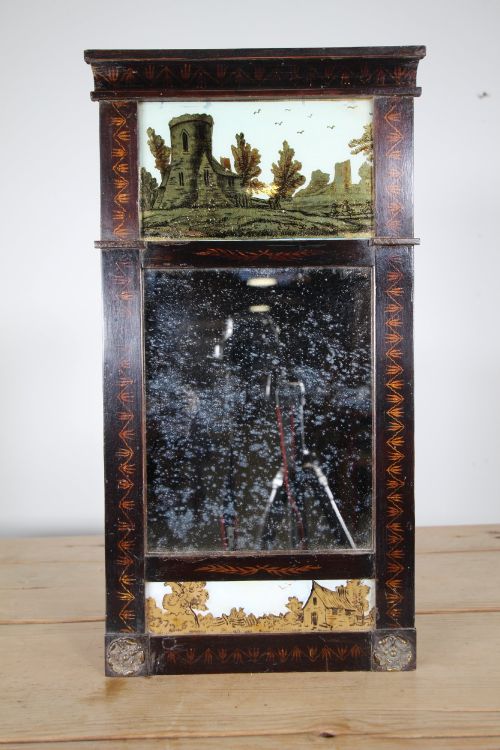
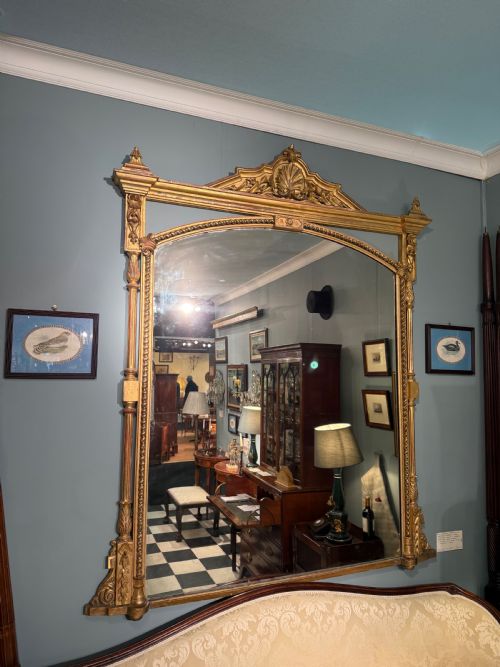
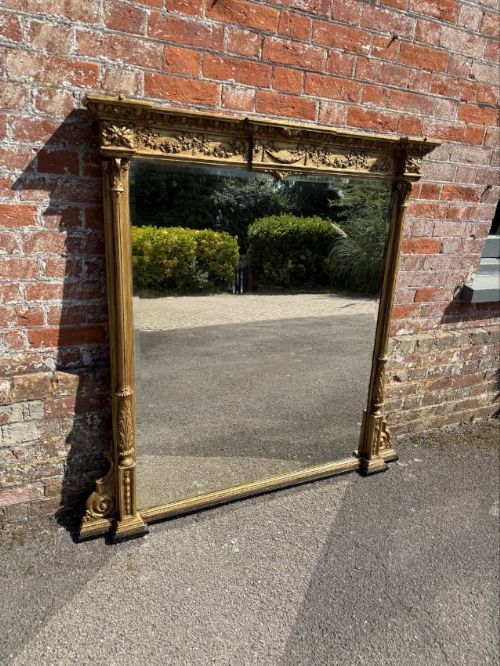
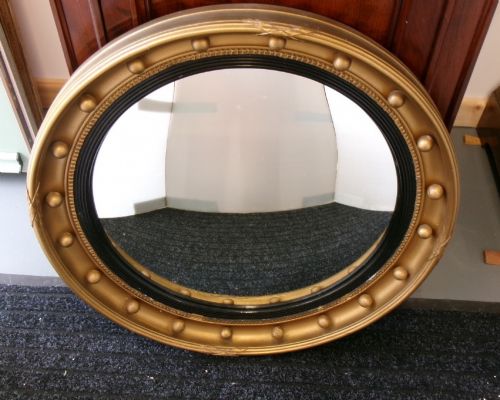
When you search for a regency style decorative mirror, you encounter large architectural overmantles alongside circular convex glasses designed to pull light across a room. The selection spans authentic nineteenth-century production, Victorian revivals, and later interpretations featuring neoclassical motifs.
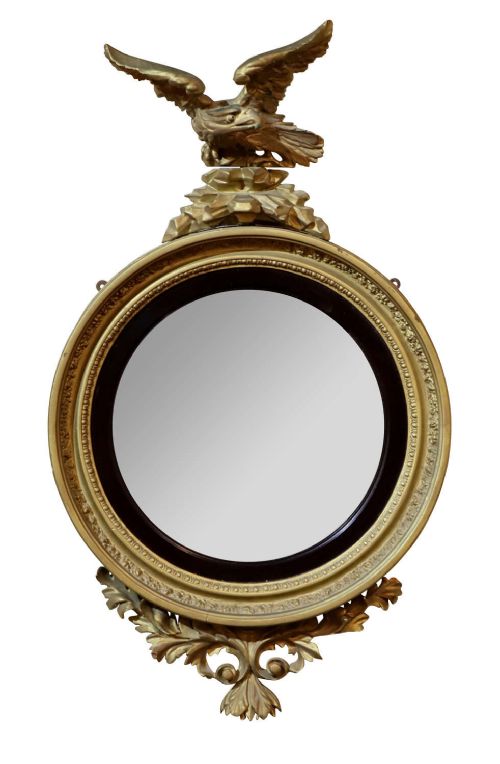
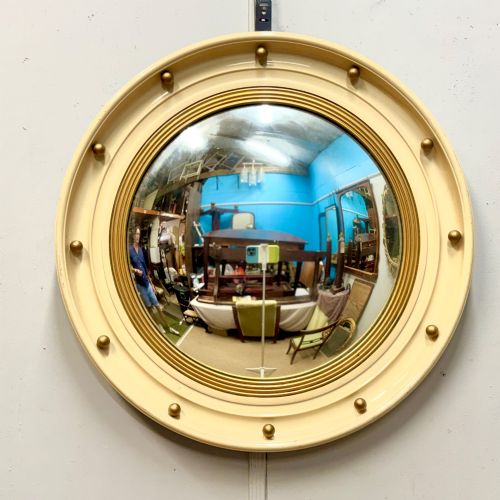
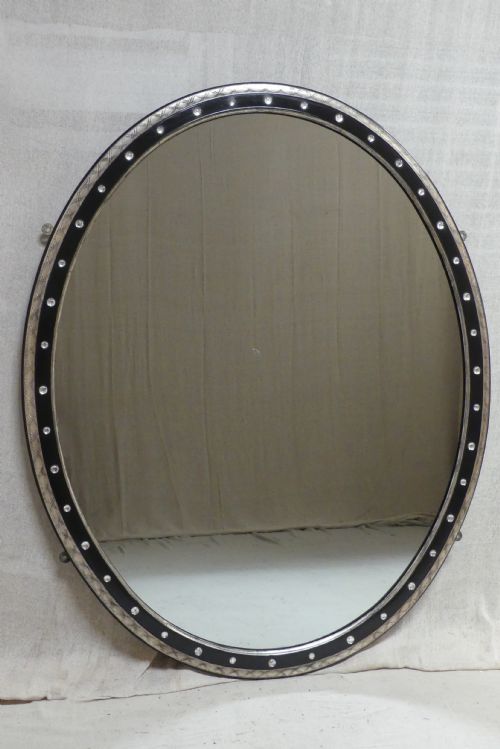
Overmantle mirrors dominate the offerings, often built with carved wood, gesso, and gilt finishes to sit above a fireplace. Circular convex variations, including butler and porthole formats, appear frequently alongside pier glasses and oval wall hung pieces.
How they were made
Craftsmen shaped frames from wood and applied layers of gesso before gilding them with gold leaf or metal leaf to achieve a brilliant metallic sheen. Ebonised wood and walnut also provide dark contrasting borders on specific frames.
Mirror glass is set within these carved structures, utilising curved convex plates in specific circular formats to create wide-angle reflections of the interior.
Regency Style Decorative Mirror Retail Price Guide 2026
Typical asking prices for regency style decorative mirror among the pieces listed under this phrase on Sellingantiques today, from the lower quarter to the upper quarter. They describe what is for sale here now, not the wider market.
Convex mirrors are historically known as butler's mirrors because their wide field of view allowed staff to monitor the entire dining table from a distance.
What varies in quality
The depth and crispness of the carved wood and gesso ornamentation separate standard frames from exceptional examples. Finer pieces display sharply defined rope twists, columns, and applied crests like eagles rather than soft, shallow moulding.
The purity and preservation of the gilding and the original mirror glass dictate the overall standard of the object. Heavy foxing on the glass or flaking gesso indicates differing degrees of age and handling.
The Regency Style Decorative Mirror Glossary
- Giltwood
- Wood that has been coated with gold leaf or a similar metallic finish. This creates the bright reflective surface characteristic of classical frames.
- Gesso
- A plaster mixture applied to wood frames to provide a smooth base for carving and gilding. It allows intricate decorative details to be moulded onto the surface.
- Convex glass
- A curved mirror glass that bulges outward to capture a wide panoramic reflection of the surrounding space. These are often called butler or porthole mirrors.
- Overmantle mirror
- A wide mirror designed specifically to be hung on the wall directly above a fireplace mantelpiece. They often feature architectural frames with columns or arched tops.
- Pier glass
- A tall, narrow mirror traditionally hung on the section of wall between two windows. These pieces reflect additional light into darker parts of the room.
Regency Style Decorative Mirror: Frequently Asked Questions
Where should I hang a convex mirror?
Convex mirrors work effectively in hallways, dining rooms, and living spaces where their wide-angle reflection can open up the visual space.
Because they bend light across the room, positioning them opposite a window maximises the illumination they provide.
What is the difference between an overmantle and a pier mirror?
Overmantle mirrors are built wide and substantial to span the horizontal space above a fireplace opening. They form a visual anchor for the chimney breast.
Pier mirrors are proportioned differently, built tall and narrow to fit the vertical wall space situated between windows.
Are these mirrors from the actual Regency period?
The selection includes pieces originating from the nineteenth century alongside Victorian revivals and later twentieth-century interpretations.
Each listing specifies the era of manufacture, ranging from early nineteenth-century originals to later Regency style revivals.
How do I clean a giltwood frame?
Giltwood frames require gentle maintenance using a soft, dry brush to remove dust from the intricate carved gesso and gilding.
Avoid using liquid cleaners, chemical sprays, or damp cloths, as moisture can damage the delicate gold leaf and underlying plaster.