


Regency Small Chest
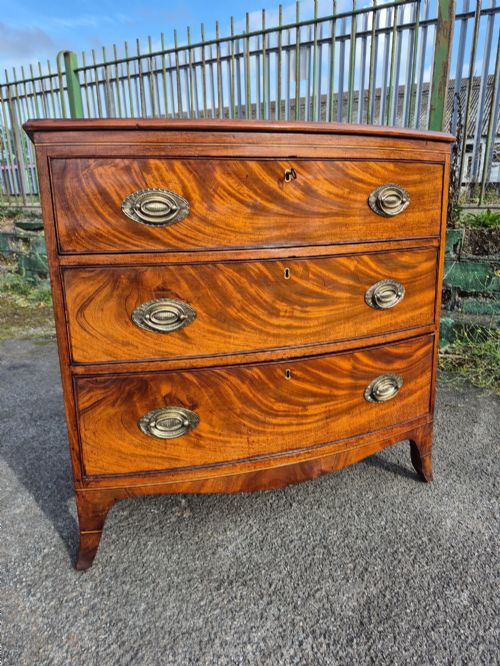
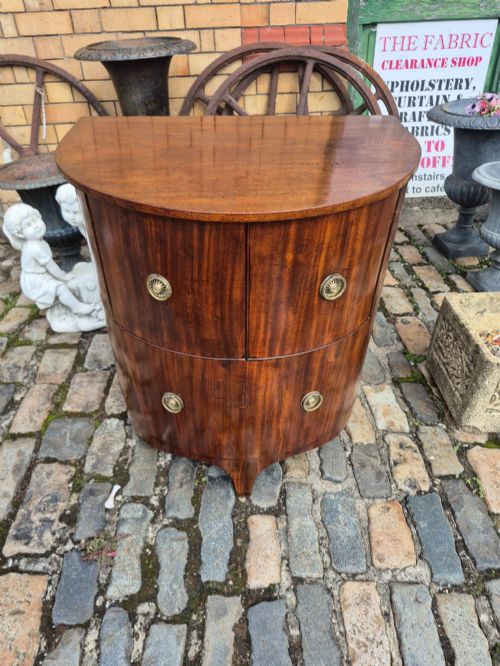
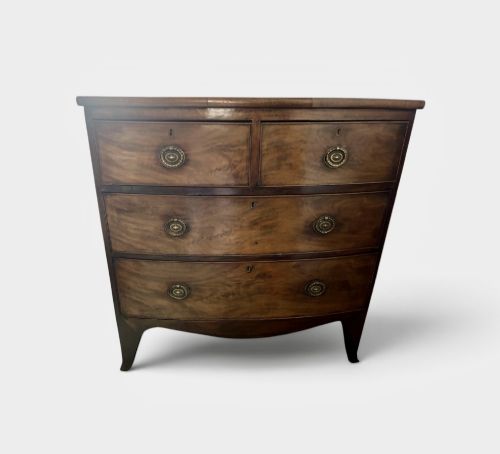
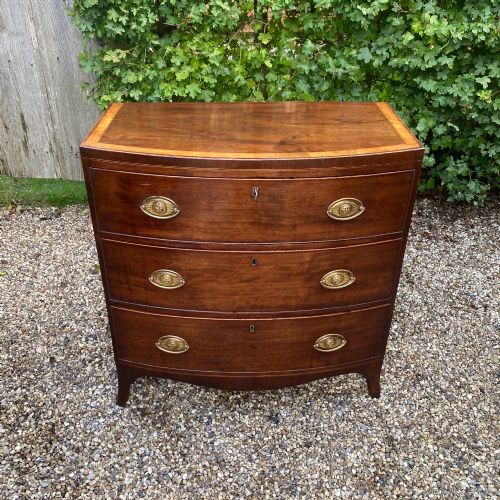
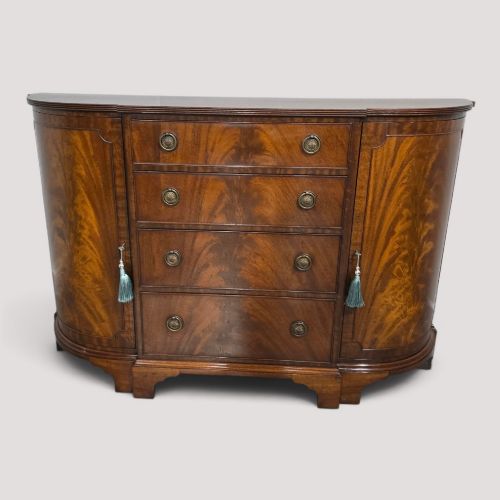
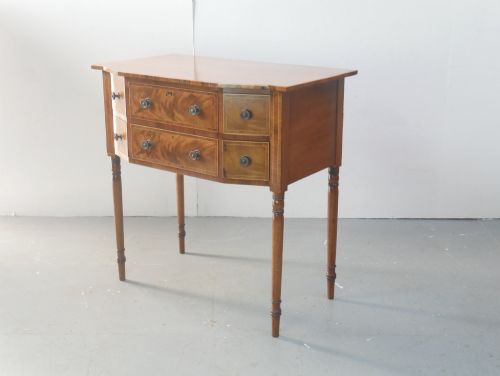
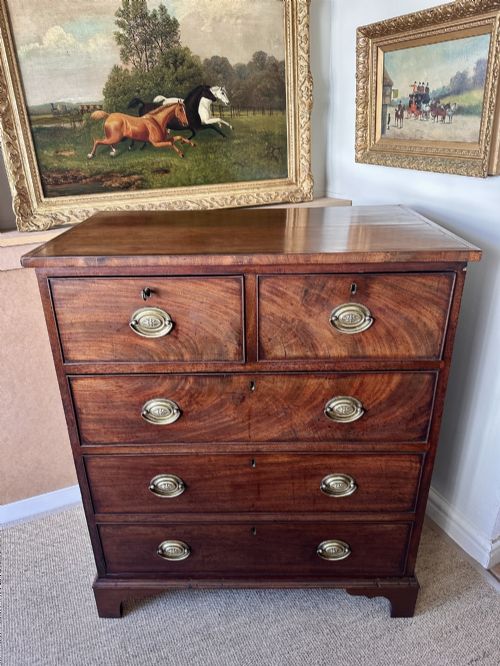
A regency small chest brings compact elegance and refined proportions to a room, offering functional storage in richly figured timbers.
Regency Small Chest
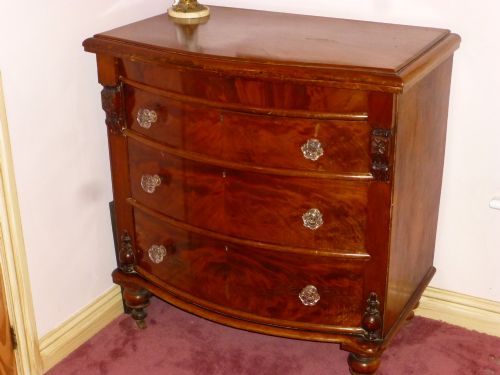
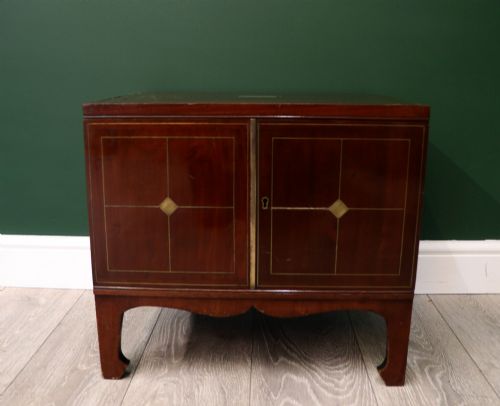
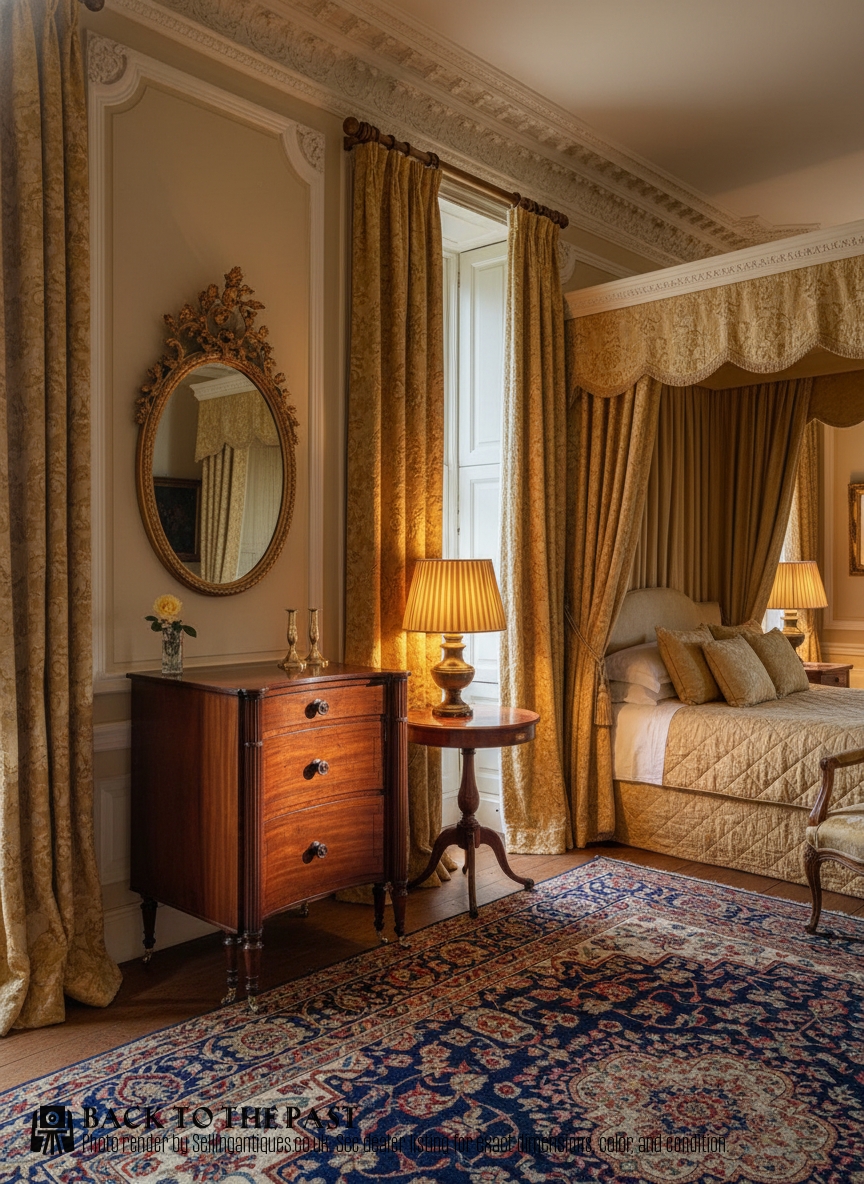
A regency small chest spans several compact forms, most commonly featuring bow fronts, flat fronts, or miniature proportions designed for intimate spaces.
The pieces appearing on this page emerge primarily from the nineteenth, eighteenth, and early twentieth centuries, drawing on Georgian and Regency design traditions.
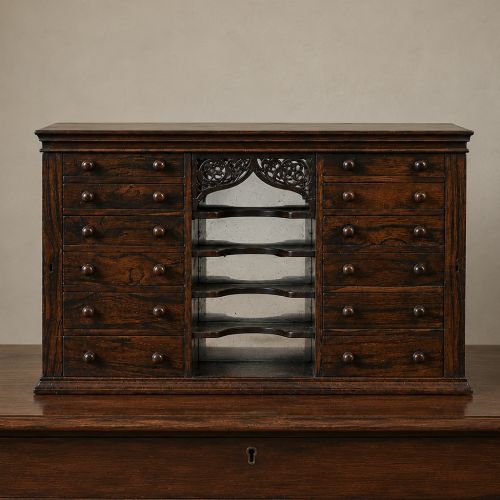
Makers produced these smaller case pieces not only as standard chests of drawers but also as specialised furniture like collector cabinets, bedside units, and secretaires.
Materials and construction
Cabinetmakers relied heavily on mahogany, often utilising figured veneers, flame mahogany, or rosewood laid over sturdy secondary timbers such as pine.
Details frequently include contrasting stringing and inlay work in satinwood, boxwood, and ebony, complemented by cast brass handles and escutcheons.
Secret drawers hidden within the upper frieze of a chest offered a private place for nineteenth-century owners to conceal their personal correspondence.
Markers of quality
The standard of a piece depends largely on the choice of timber, where tightly figured veneers and symmetrical grain patterns distinguish finer examples from plain stock.
Construction methods such as hand-cut dovetails on drawer linings, original brass hardware, and the crisp execution of inlay work separate master workshops from provincial production.
The Regency Small Chest Glossary
- Bow front
- A convex curved front facade that swells outwards in the centre. This shape became especially popular during the Regency and Georgian periods to soften room lines.
- Secretaire
- A cabinet or chest containing a pull-down writing drawer fitted with small compartments and pigeonholes. It combines desk functionality with standard drawer storage.
- Wellington chest
- A tall, narrow chest of drawers secured by a hinged vertical locking side bar that fastens with a key. It typically holds seven graduated drawers.
- Cellarette
- A fitted cabinet or box used for holding bottles of wine or spirits. Many examples from this era mimic the appearance of miniature chests.
- Stringing
- A narrow line of contrasting inlay used to outline drawer fronts and panels. Cabinetmakers employed boxwood or satinwood against dark mahogany for visual definition.
Regency Small Chest: Frequently Asked Questions
Where were regency small chests placed in period homes?
These compact pieces suited intimate domestic spaces such as dressing rooms, bedrooms, and smaller parlours where full-sized furniture would overwhelm the floor plan.
Their reduced proportions allowed them to function effectively as bedside units, desktop storage, or secondary drawer space for personal valuables.
How do you distinguish a miniature chest from a standard one?
Miniature chests were built on a considerably smaller scale than normal furniture, often serving as apprentice pieces to demonstrate a joiner's skill or acting as specialised collector cases.
While sharing the exact proportions and drawer configurations of larger pieces, their diminutive size makes them distinct decorative objects rather than primary clothes storage.
What timber finishes are common on these chests?
Mahogany serves as the predominant wood, frequently enhanced by figured flames or rich rosewood and burr oak surfaces. Cabinetmakers also incorporated contrasting lighter woods like satinwood and boxwood for decorative banding.
Wax polishing was the traditional method for treating these exteriors, developing a deep, warm lustre over centuries of care.
How do campaign styles differ from standard pieces?
Campaign furniture was constructed with travel in mind, utilising recessed brass handles, reinforced corners, and occasionally sectional bodies that could be easily dismantled.
These pieces prioritized robust portability without sacrificing the refined aesthetic expected in domestic interiors of the era.