

Regency Sheffield Plate
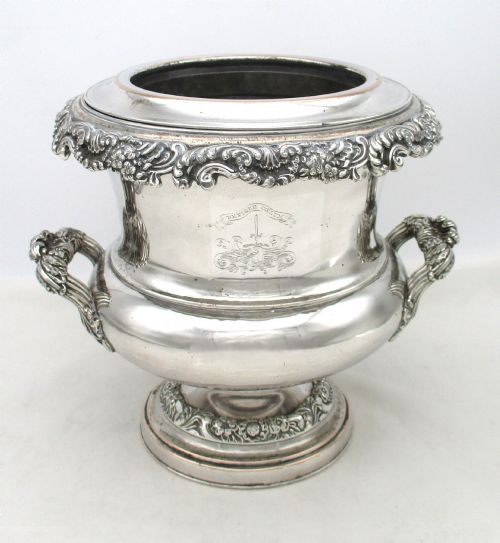
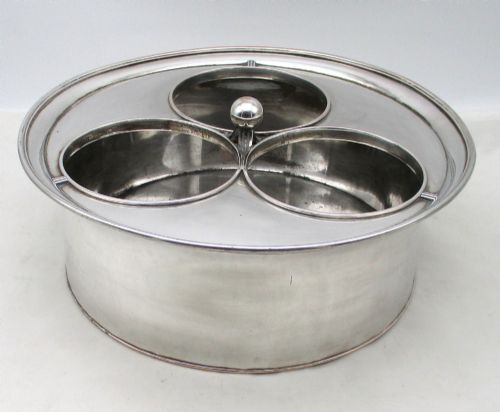
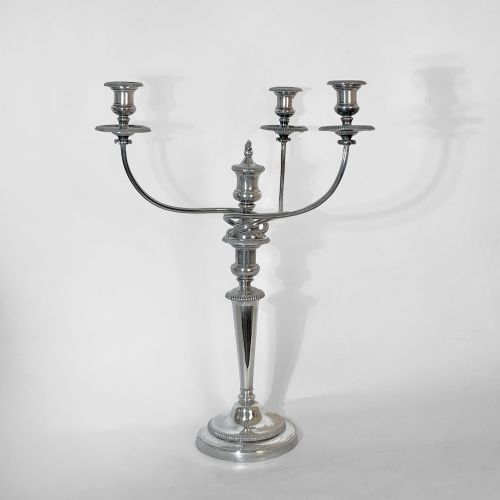
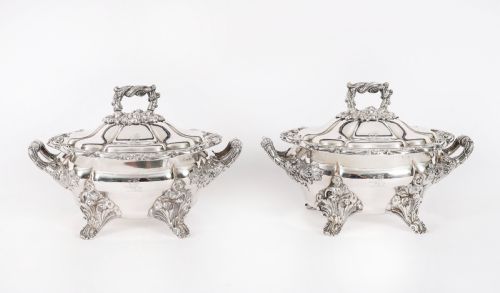
Regency Sheffield plate brings together fusion-plated copper and bright silver to form dining and serving wares of distinct weight and presence.
Materials and Fusion Technique
Old Sheffield plate is produced by fusing a sheet of silver to a thicker ingot of copper, then rolling the composite metal down into sheets before fabrication. This technique creates a durable material that predates modern electroplating.
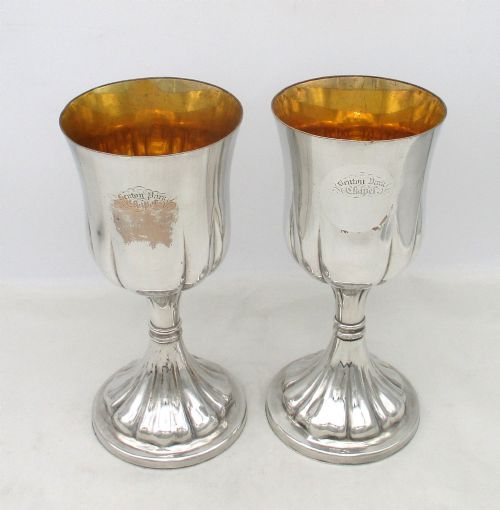
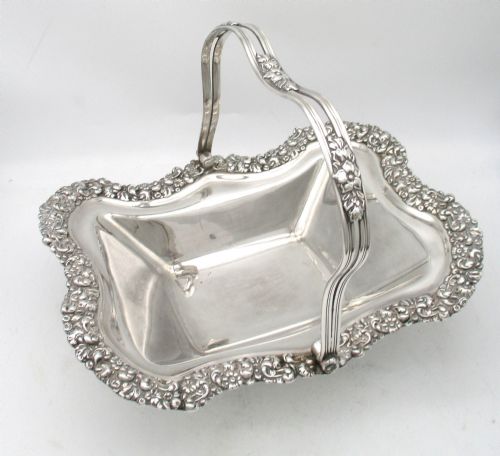
Craftsmen utilised copper edges and silver wire borders, known as mountings, to conceal the exposed base metal at the seams. Wood, cut glass, and gold gilt occasionally appear as supplementary materials in coasters, cruets, and decorative linings.
Factors That Distinguish Quality
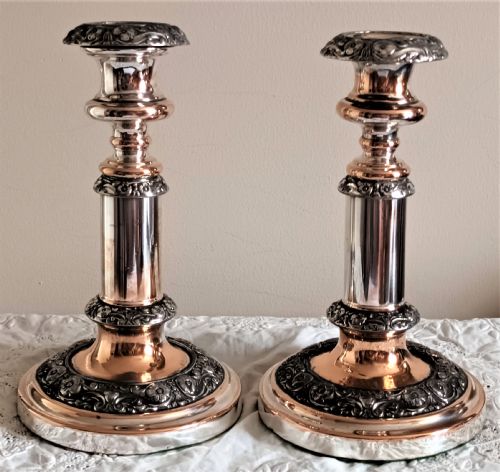
The preservation of the original silver layer over the copper base determines the integrity of a piece. Substantial wear that exposes large areas of copper alters the visual balance of the object.
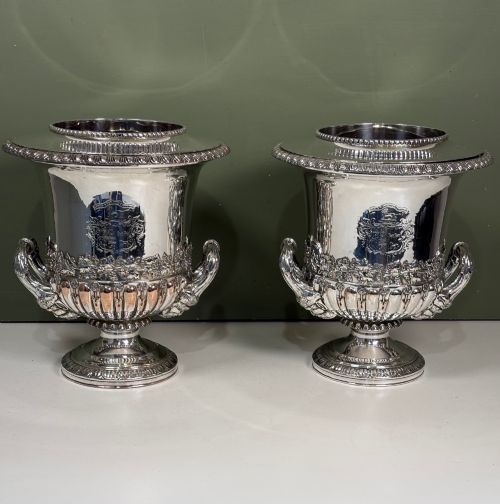
The crispness of chased crests, armorial bearings, and applied silver borders indicates the skill of the original workshop. Heavier gauge metal and balanced proportions distinguish finer table wares from standard production.
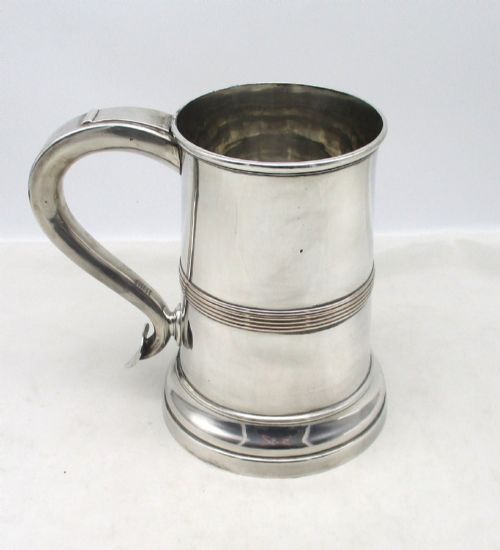
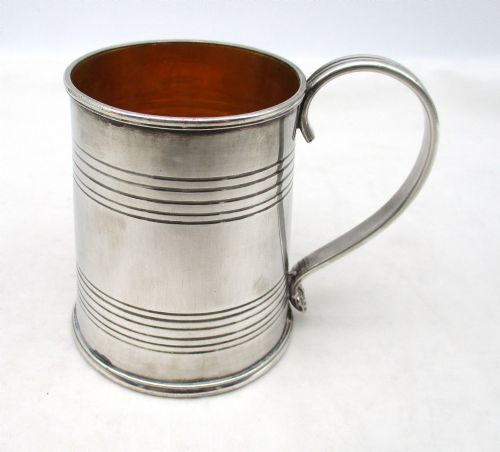
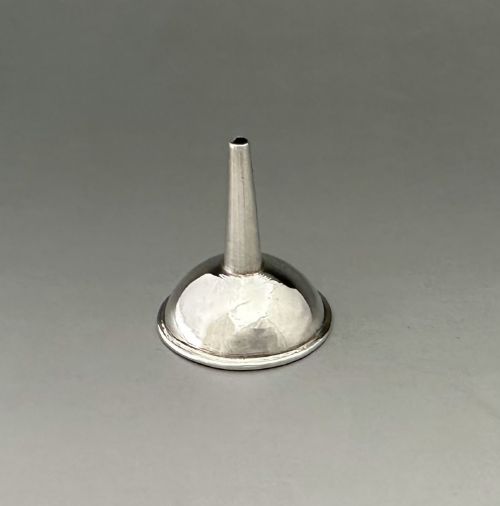
A child's tankard sits among the heavy meat domes and wine coolers, offering a tiny echo of Regency family life.
Roberts Cadman·Creswick·Walker Knowles·Matthew Boulton
The Regency Sheffield Plate Glossary
- Old Sheffield Plate
- A composite material made by fusing silver and copper together through heat and pressure before rolling. This process creates a sheet with silver on one or both sides over a copper core.
- Fusion Plating
- The eighteenth and nineteenth-century method of bonding silver to copper, distinct from later electroplating techniques. It results in a thicker and more durable layer of silver.
- Meat Dome
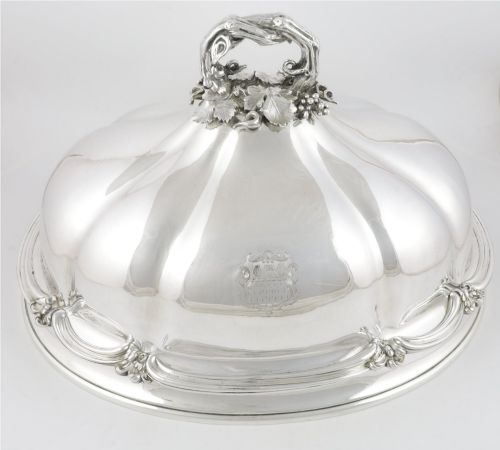
- A large hemispherical cover used to keep joints of meat warm on the dining table. These often feature engraved family crests and substantial handles.
- Telescopic Candlestick
- A candle holder with an adjustable shaft that extends in height. This mechanism allowed diners to alter the level of illumination across the table.
- Campana
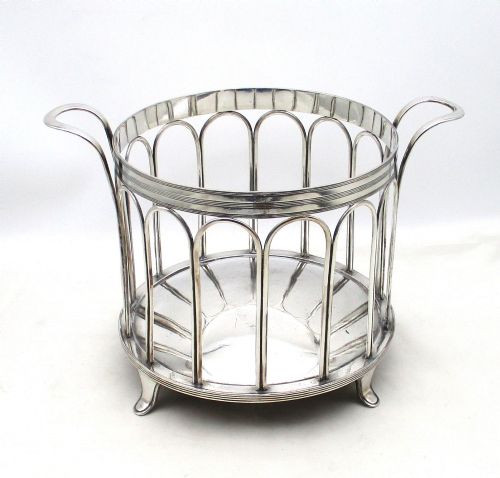
- A bell-shaped vessel form frequently seen in wine coolers and ice pails from the Regency period. The flared rim and footed base provide classical proportions.
Regency Sheffield Plate: Frequently Asked Questions
What is Old Sheffield plate?
Old Sheffield plate is an early form of silver plating created by thermally fusing a sheet of silver to a copper ingot. The combined metals are then rolled out and shaped into various domestic objects.
This method differs entirely from nineteenth-century electroplating, resulting in a heavier structure where the copper core occasionally shows at the cut edges or points of friction.
How do I care for these pieces?
Care requires gentle cleaning with non-abrasive silver polishes to protect the remaining silver layer. Avoid harsh scrubbing that can wear through to the underlying copper base.
Store pieces in stable environments away from high humidity to prevent tarnishing and preserve any wooden bases or fitted glass components.
Can I use these items daily?
Many items, such as coasters, baskets, and candlesticks, remain functional for modern use and display. Care should be taken with items featuring delicate fused seams or soft felt linings.
Dining accessories like wine coolers and cruets function well on the table, provided they receive gentle handling and immediate drying after contact with moisture.
How do I identify Regency pieces?
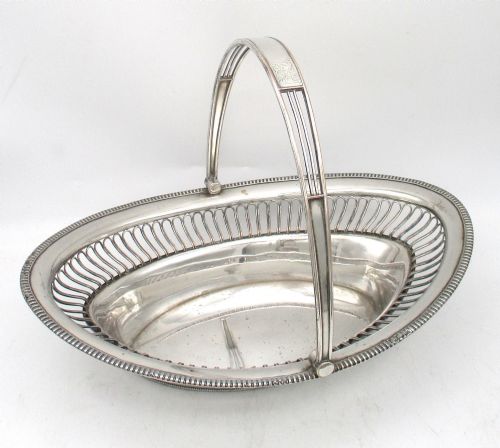
Regency examples typically exhibit classical revival motifs, such as gadroon borders, paw feet, and campana profiles. These design elements align with the architectural tastes of the early nineteenth century.
Makers' marks, where present, alongside specific construction traits like silver seams and copper edges, help confirm the production period.