


Regency Sheet Music Stand
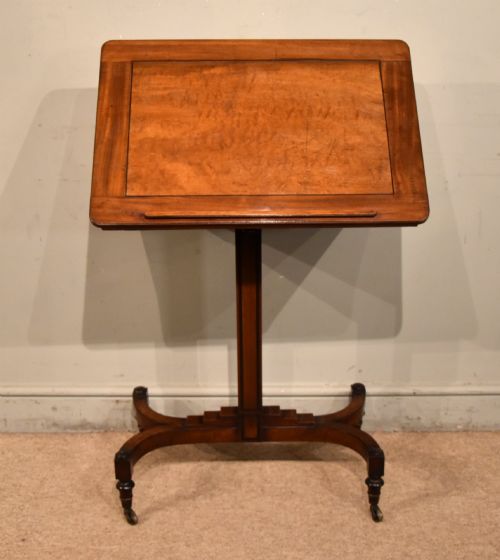
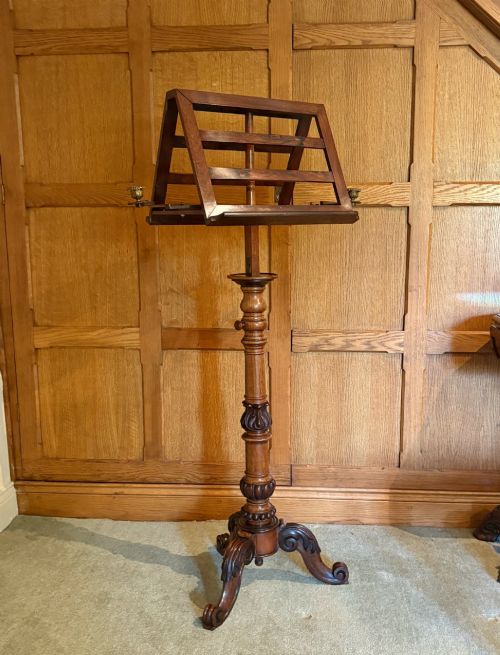
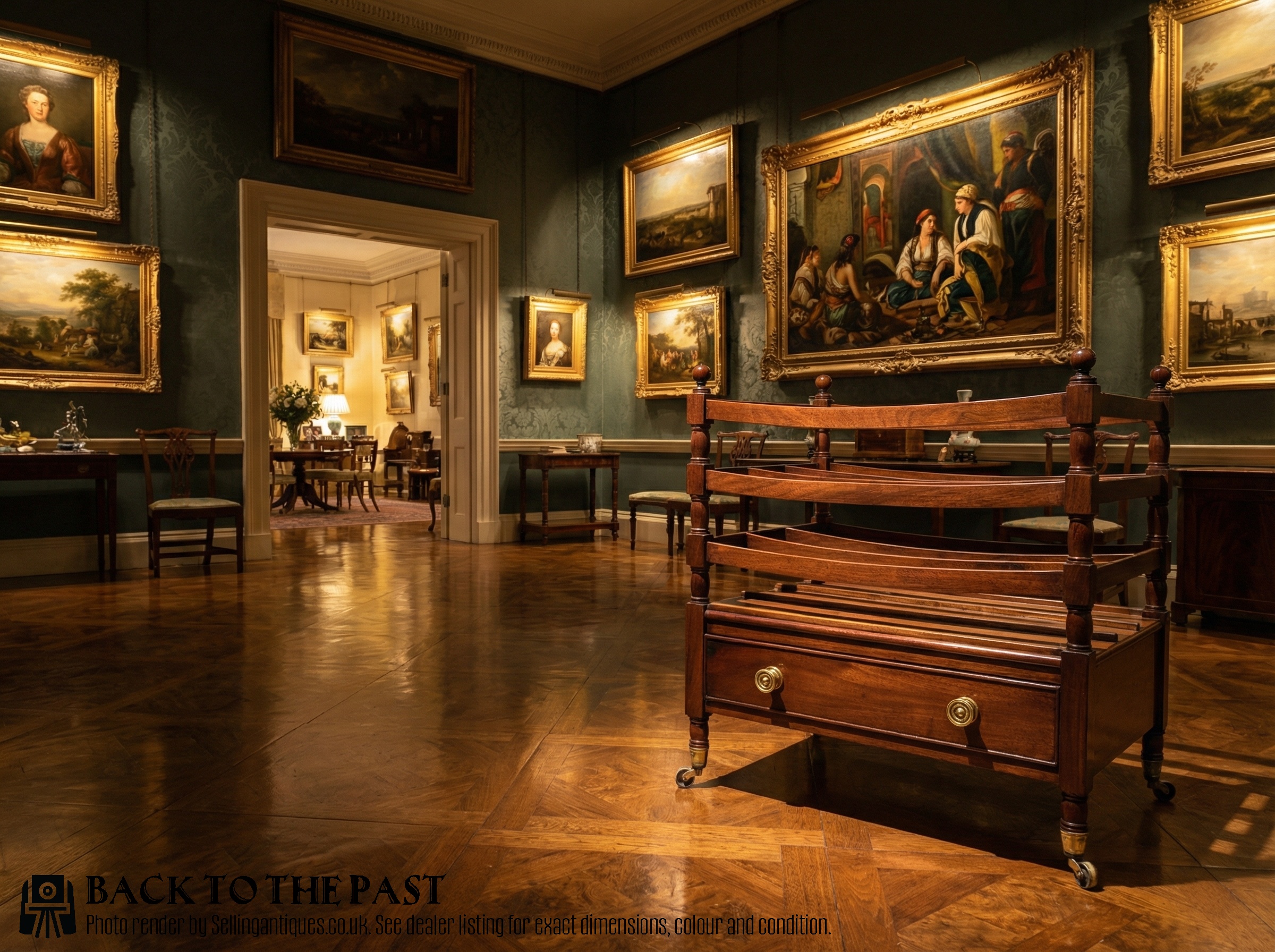
These pieces known as a regency sheet music stand combine timber and brass to hold folios and scores with grace.
Identifying these pieces
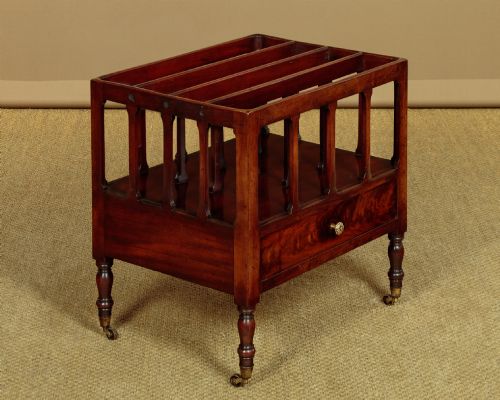
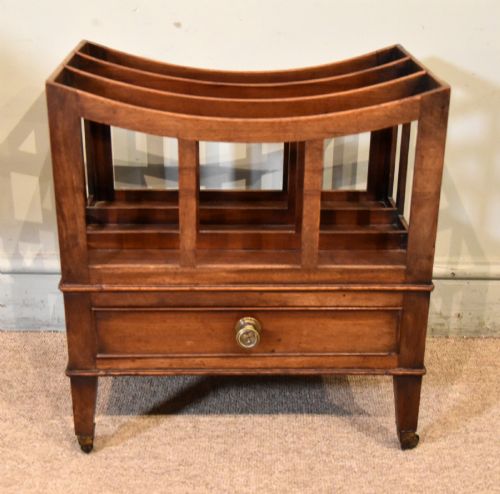
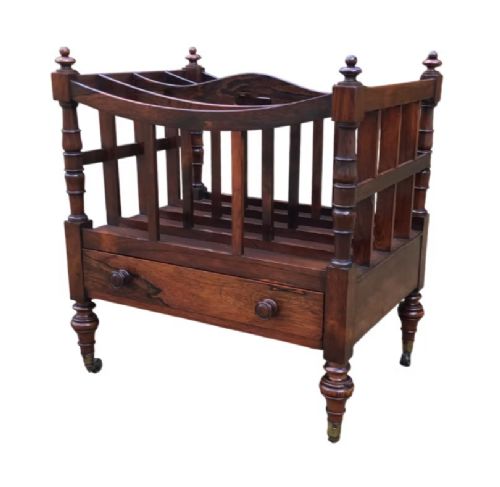
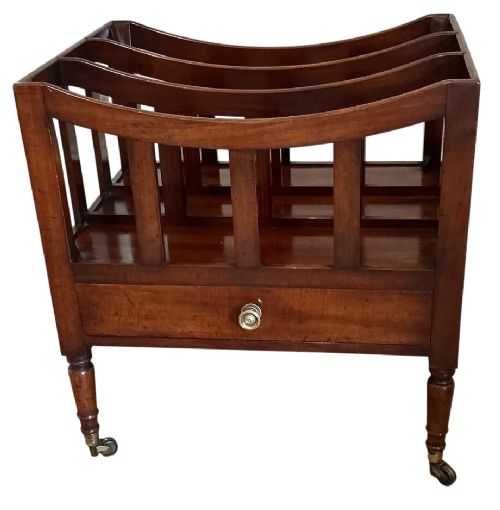
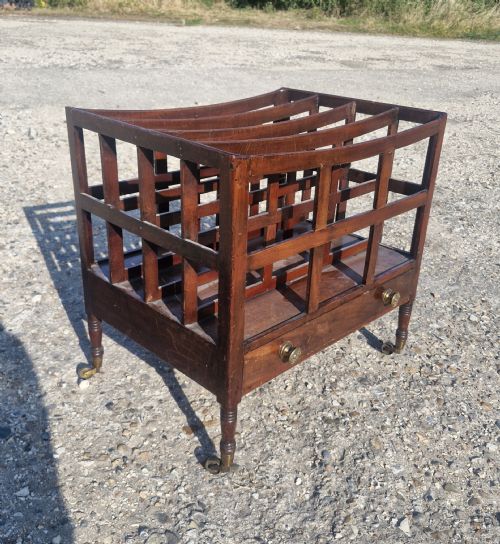
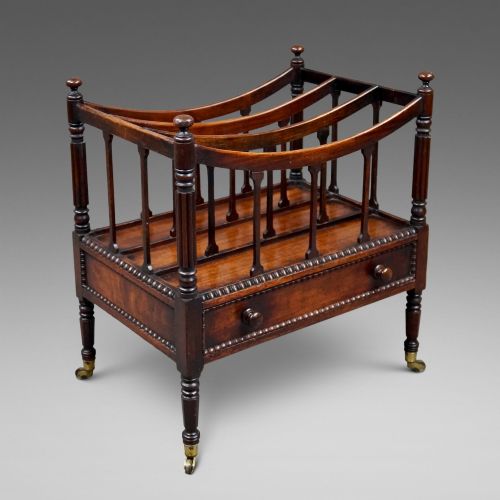
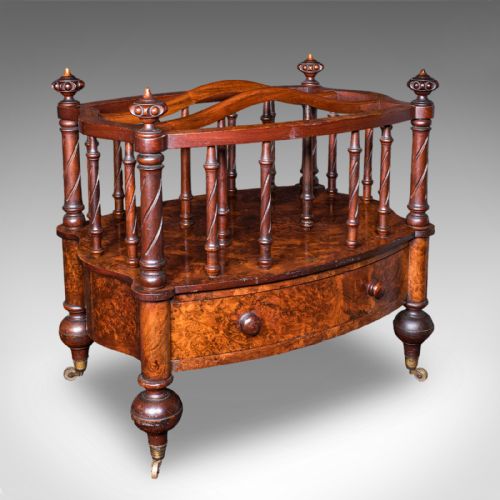
A regency sheet music stand encompasses musical accessories and canterburys designed to organise scores and folios in the home. The selection spans pieces from the Regency period alongside later Victorian examples dated around eighteen ninety.
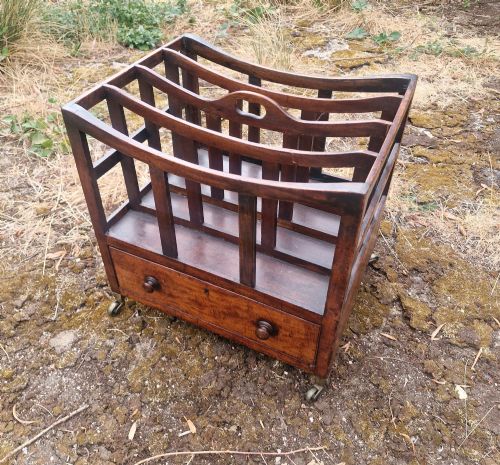
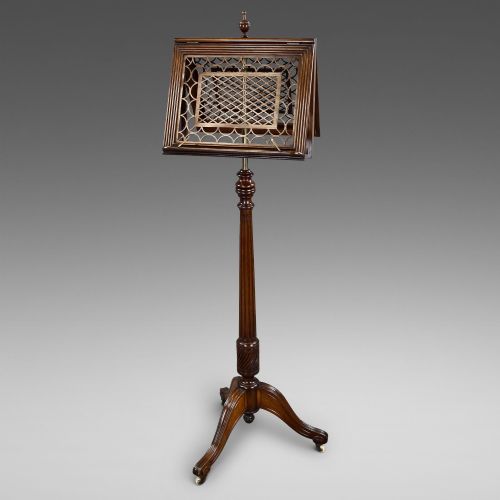
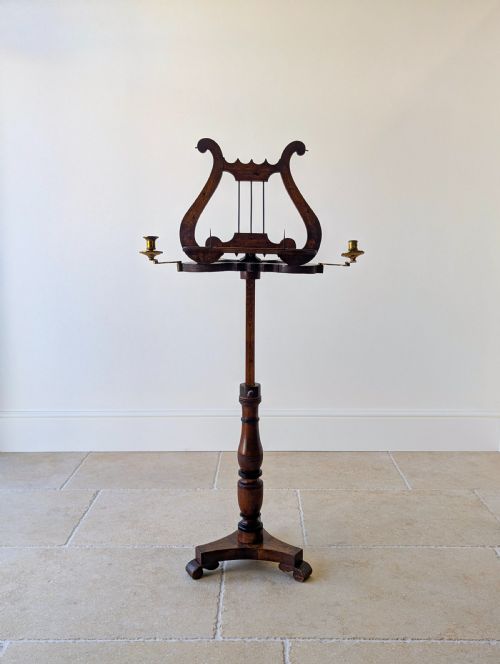
Forms include boat-shaped canterburys and lyre-form music stands, some featuring drawers or double-size proportions. Materials range from mahogany and rosewood to painted wood and brass details.
Materials and construction
Cabinetmakers used dense timbers such as mahogany and rosewood, shaping them into fretted music stands and partitioned canterburys. Brass components supplied structural joints and decorative highlights.
Surface treatments involved polished wood finishes alongside painted wood variants, whilst carving added tactile detail to the frames.
Retail Price Guide 2026
Typical UK retail prices for regency sheet music stand, calculated from the Sellingantiques database of over a million retail prices indexed since 2003. This retail price guide relies exclusively on Sellingantiques data; no external sources or auction records are used, so the figures do not describe the wider market.
Distinguishing quality
Quality rests in the choice of timber figure, whether rich mahogany or figured rosewood, combined with the crispness of fretwork and carving. The presence of fitted drawers and double-size proportions elevates certain examples above simpler formats.
Execution of delicate elements like brass mounts and lyre-form supports dictates the visual balance of the piece, separating standard utility items from finer workshop output.
The Regency Sheet Music Stand Glossary
- Canterbury
- A low stand fitted with upright partitions for holding sheet music, folios or magazines, often incorporating a drawer beneath.
- Lyre-form
- A decorative motif shaped like an ancient musical instrument, frequently utilised in the upright supports of music stands.
- Regency
- A design period spanning the early nineteenth century defined by classical restraint and rich cabinet woods.
- Fretted
- Ornamented with pierced or perforated openwork designs cut through the timber.
Frequently Asked Questions
What is a canterbury used for?
These low stands were designed to hold sheet music, scores and folios upright for easy selection beside an instrument.
Many examples also incorporate a small drawer at the base for smaller accessories.
How do I identify a regency piece?
Look for classical proportions, dark cabinet woods like mahogany or rosewood, and restrained decorative carving.
Dates generally align with the early nineteenth century or later nineteenth-century revivals.
Where should I place a music stand?
These pieces suit living spaces, studies or music rooms as functional display furniture for books and folios.
Keep them away from direct heat sources to protect the polished wood surfaces.
What materials are typical?
Cabinetmakers predominantly utilised mahogany and rosewood, sometimes adding painted finishes for decorative effect.
Brass fittings and mounts appear frequently across the different forms.