




Regency Sarcophagus Chest
A regency sarcophagus chest brings classical architectural dignity to domestic storage, housing fine tea or wine with distinct authority.
Regency Sarcophagus Chest
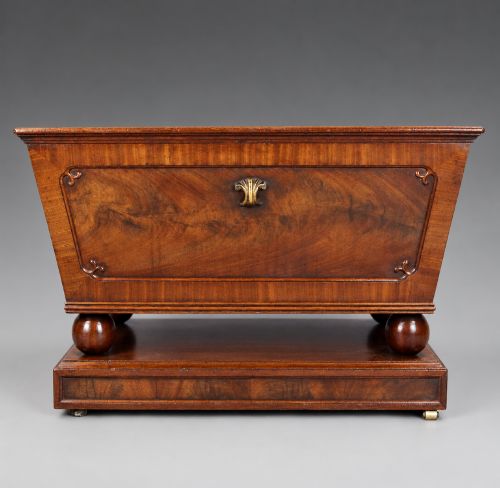
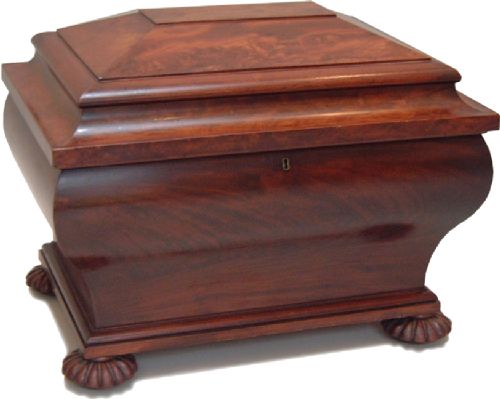
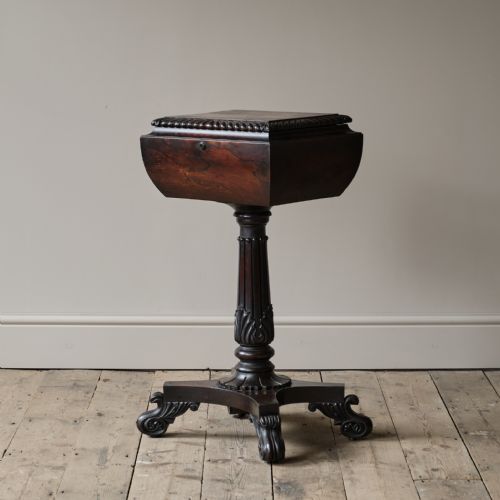
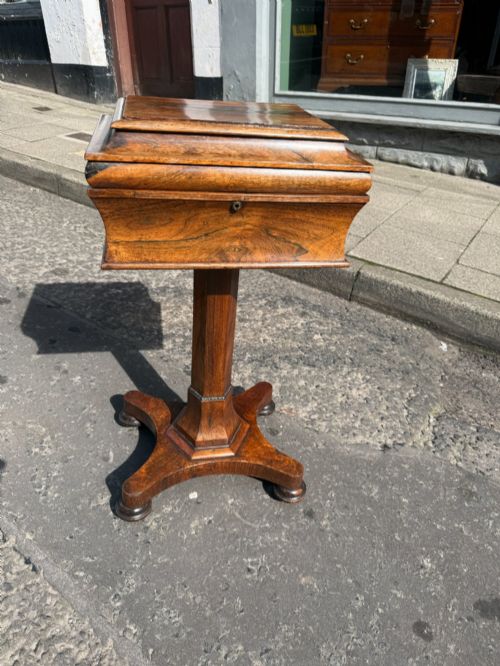
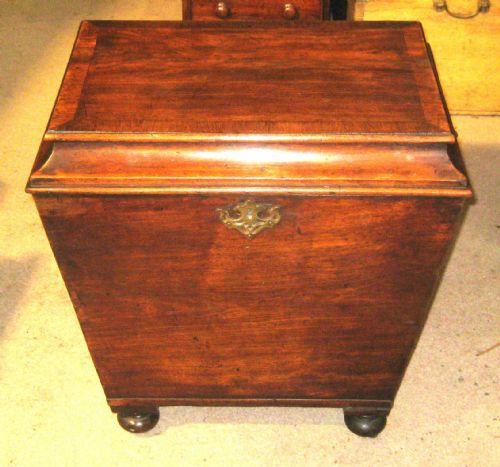
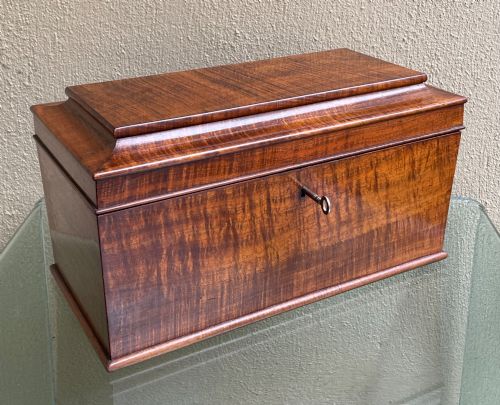
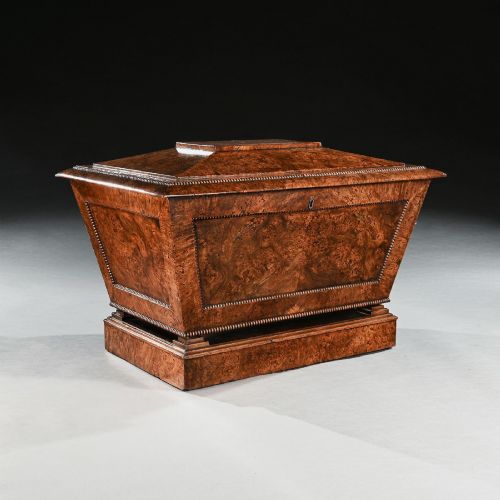
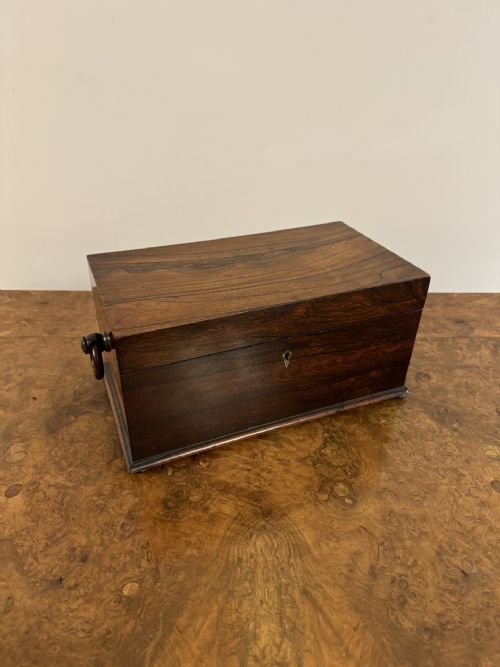
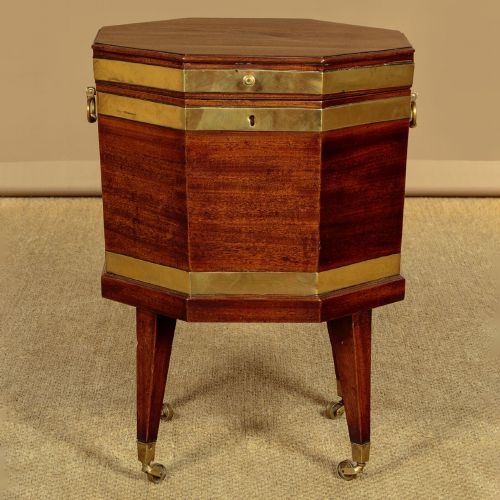
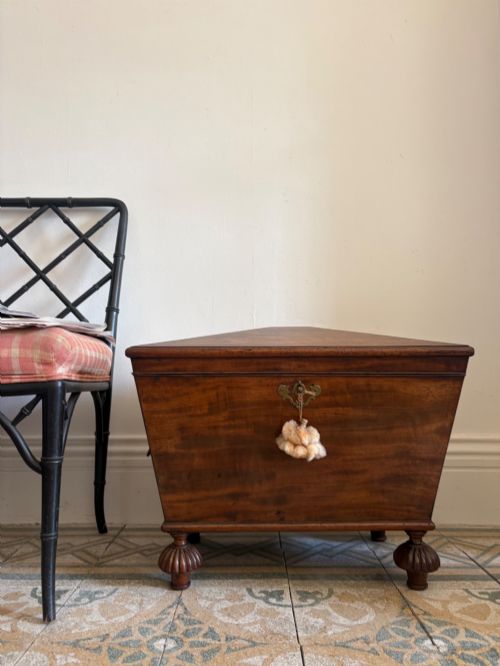
When searching for a regency sarcophagus chest, buyers encounter stately containers shaped like ancient burial vaults, most frequently taking the form of tea caddies, cellarettes, or wine coolers. These pieces originate primarily from the Regency, Georgian, and William IV periods, spanning the late eighteenth and early nineteenth centuries.
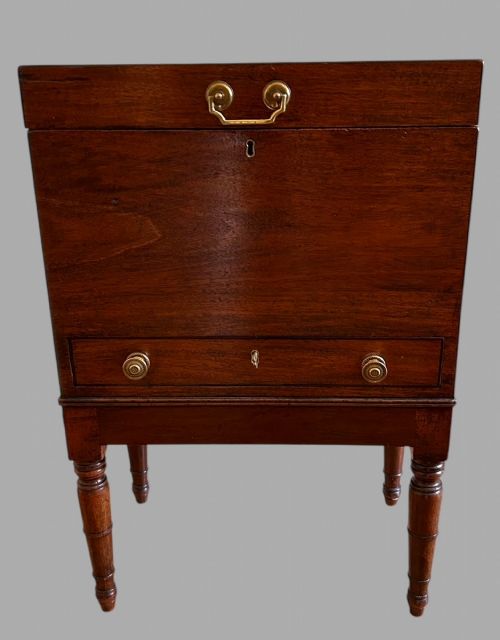
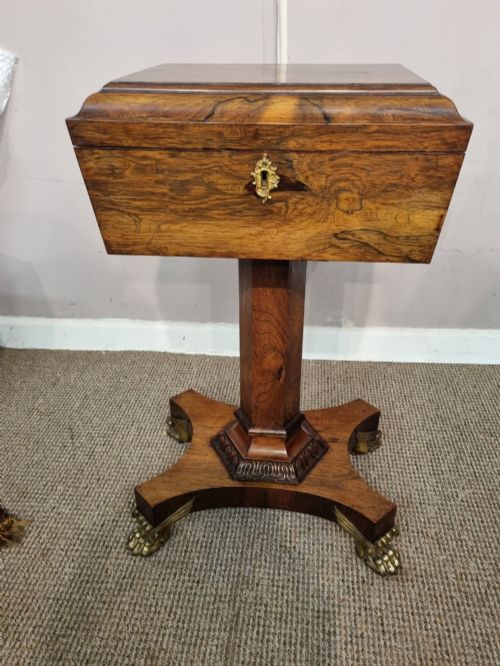
The domestic versions on this page serve distinct functions, functioning either as tabletop tea caddies with internal lidded compartments or as larger floor-standing cellarettes designed to chill wine. Mahogany, rosewood, and pollard oak dominate the forms, often resting on carved feet or plinth bases.
Makers of the period adopted the sarcophagus silhouette to reflect the neoclassical taste sweeping Britain at the time. Buyers regularly find these items exhibiting architectural pediments, recessed panels, and substantial proportions suited to formal dining rooms and drawing rooms.
How they were made
Cabinetmakers constructed these chests using dense native and exotic timbers over sturdy softwood carcases, applying finely figured flame mahogany, rosewood, or coromandel veneers to exterior surfaces. Artisans frequently enhanced the rectilinear and curved contours with contrasting stringing, brass inlay, or ormolu mounts.
Larger wine coolers and cellarettes incorporated internal lead liners to hold ice and bottles securely, while tea caddies featured fitted interiors lined with glass mixing bowls and small lidded canisters. Brass lion mask handles, drop rings, and functional working locks supplied both decorative weight and practical utility to each piece.
Listings feature woods such as flame mahogany, rosewood, pollard oak, burr yew-wood, and coromandel.
What varies in quality
The grade of a piece rests heavily on the selection of timber figure, such as the depth of flame in mahogany or the rich contrast of grain in rosewood and burr yew-wood. Superior examples display meticulous book-matching of veneers across curved lids and continuous grain alignment on complex forms.
Execution of decorative details separates standard production from exceptional work. Finely cast brass inlays, crisp carved paw feet, original lead linings, and intact internal fitments elevate the standing of a chest within its period.
Thomas Hope
The Regency Sarcophagus Chest Glossary
- Sarcophagus
- A monumental tomb shape with a domed or stepped lid and canted sides. Cabinetmakers adopted this classical architectural silhouette for nineteenth-century tea caddies and wine coolers.
- Cellarette
- A lockable container designed to hold bottles of wine and spirits near the dining table. They frequently feature lead linings and robust wooden construction.
- Teapoy
- A small decorative table fitted with a lidded box for storing several varieties of tea. These stands typically rest on a central pillar with tripod or platform feet.
- Flame mahogany
- A decorative wood veneer showing a distinct flame-like pattern created by cutting through the fork of the mahogany tree. It was widely used during the Georgian and Regency periods.
- Stringing
- Thin inlaid lines of contrasting timber used to outline panels and geometric borders on furniture. This decorative technique highlights the contours of the carcase.
Regency Sarcophagus Chest: Frequently Asked Questions
What is a regency sarcophagus chest used for?
These chests were originally built to safeguard valuable commodities like loose leaf tea or to chill wine bottles for the dining table.
Today, collectors utilise them as decorative storage boxes for jewellery, documents, or small domestic items.
How do I date a regency sarcophagus chest?
Dating relies on identifying timber species, hardware styles, and construction techniques associated with the Georgian and Regency eras. Mahogany and rosewood veneers combined with brass lion mask handles point directly to the early nineteenth century.
Interior fittings such as original cut glass bowls and lead liners further help narrow down the period of manufacture.
Where were these chests placed in a home?
Smaller tea caddies sat on sideboards, sofa tables, or dedicated teapoys in the drawing room where tea ceremonies took place.
Larger wine coolers and cellarettes stood directly on the floor beneath side tables or beside the dining room table during formal meals.
Are the interiors usually original?
Many surviving pieces retain their fitted wooden compartments, foil-backed tea canisters, and glass mixing bowls.
Cellarettes often preserve their original lead-lined interiors, though some have lost internal dividers over years of domestic use.