

Georgian Sarcophagus Cooler
A georgian sarcophagus cooler is a grand dining room vessel built to chill wine, combining architectural presence with functional luxury.
Georgian Sarcophagus Cooler
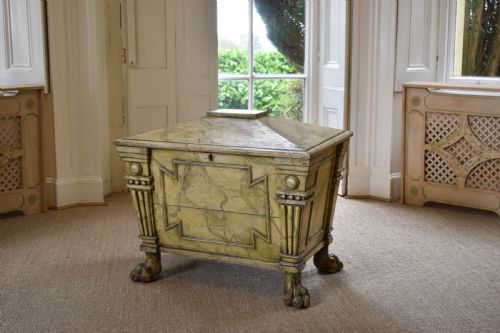
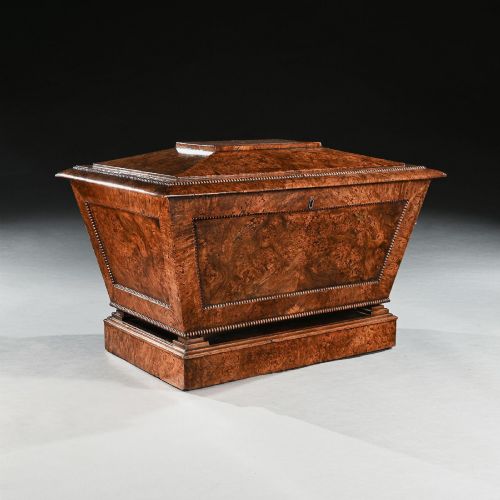
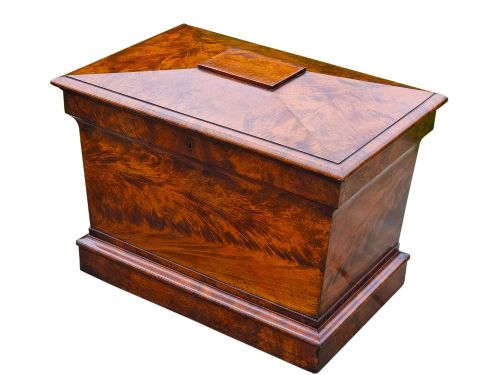
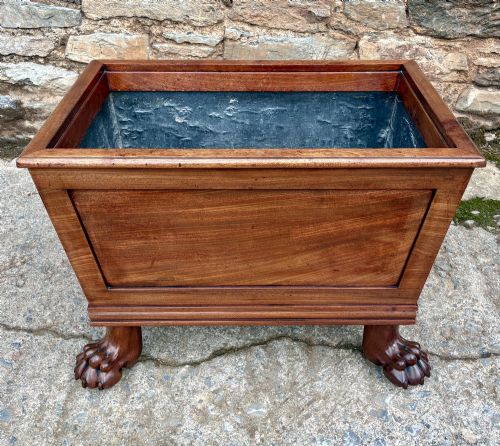
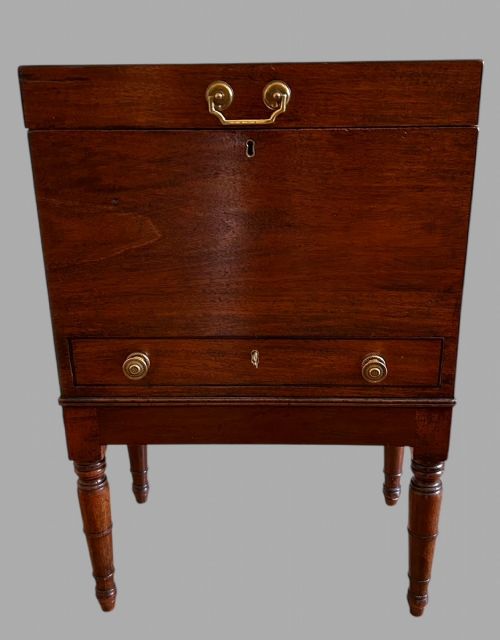
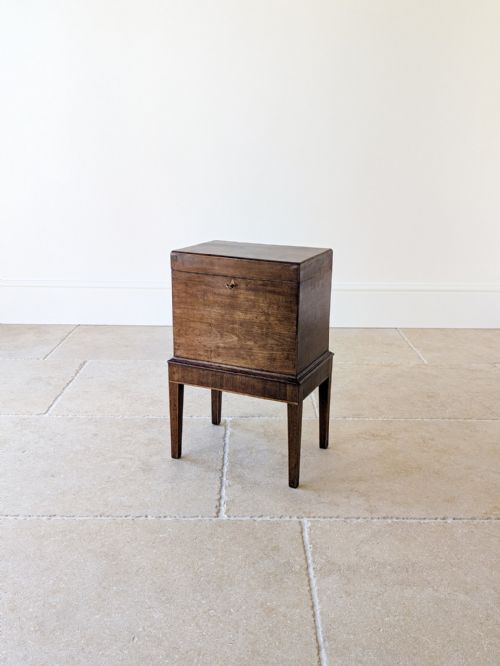
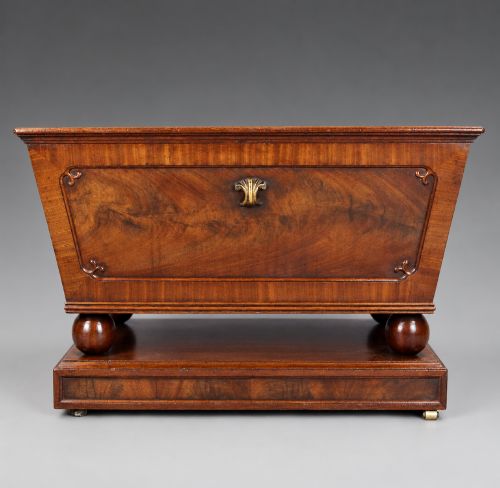
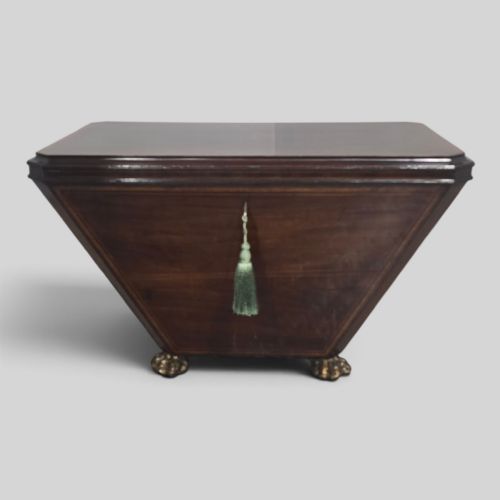
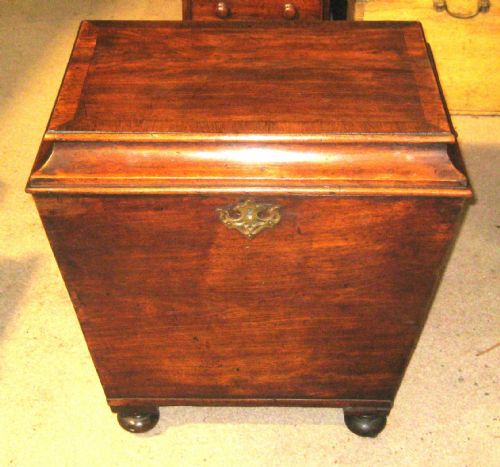
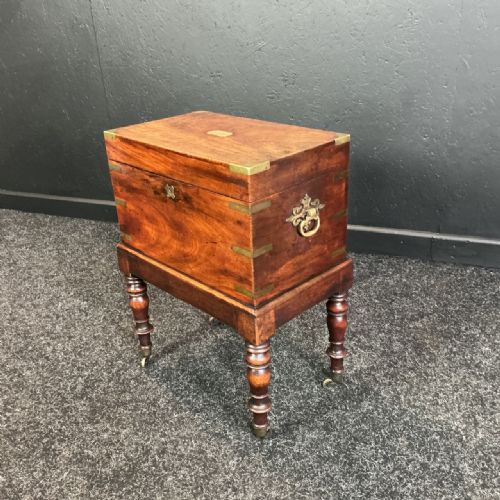
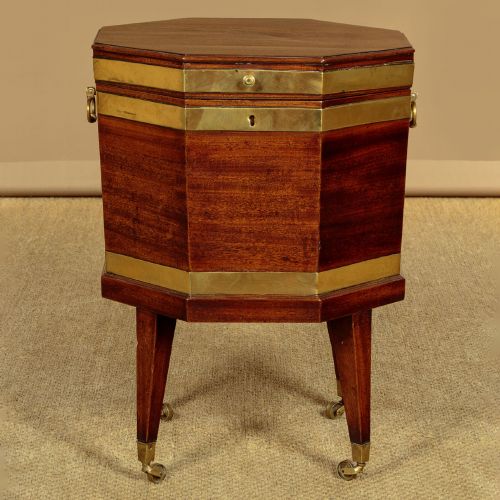
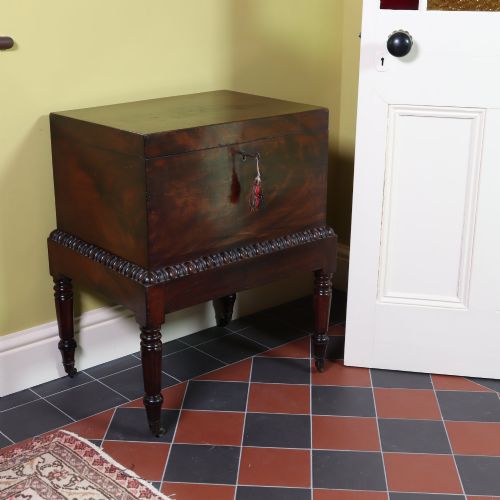
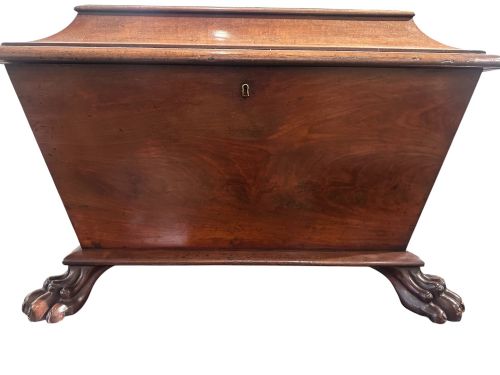
A georgian sarcophagus cooler is a substantial dining room container designed for holding ice and cooling bottles during formal meals. These pieces take their name from classical stone tombs, sharing the characteristic tapered, heavy-lidded profile that dominated elite interiors from the eighteenth century into the nineteenth century. Most examples found on this page date from the Georgian, Regency, and William IV periods, reflecting the height of formal dining culture.
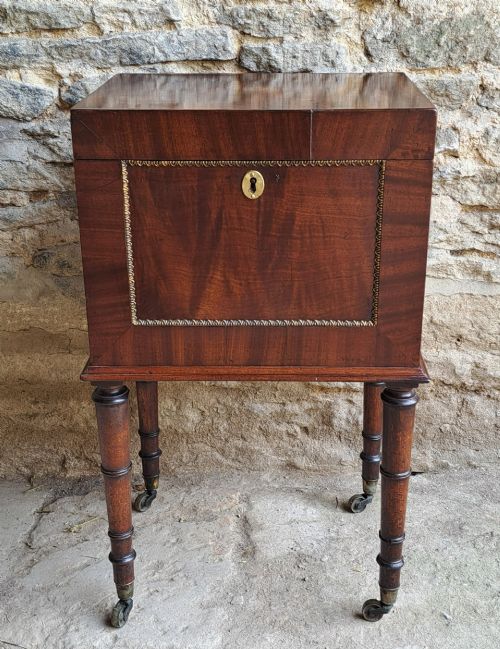
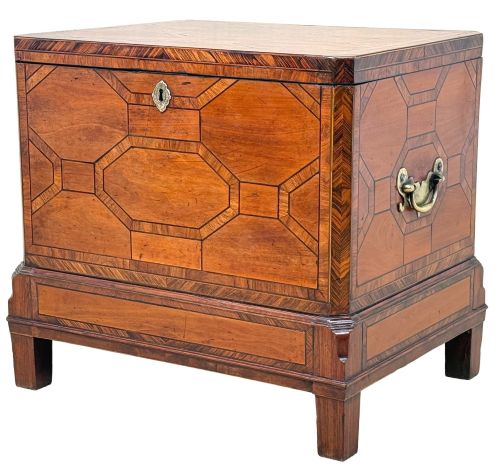
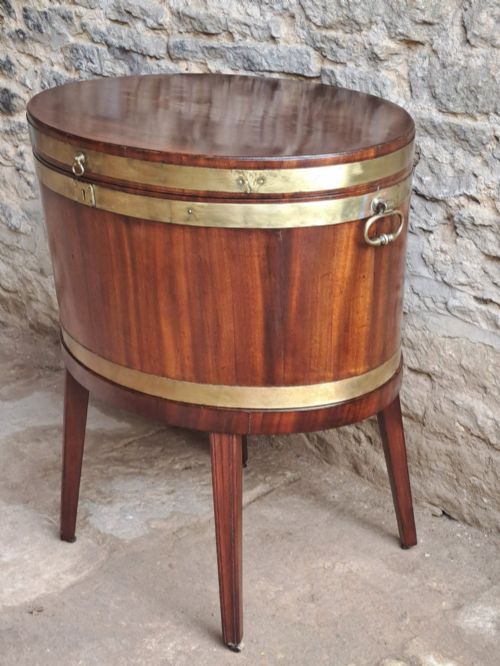
Beyond standard mahogany constructions, collectors discover variations incorporating boxwood inlay, ormolu mounts, and ebonised wood details. The internal arrangements frequently retain their original lead linings, which prevented melting ice from damaging the surrounding timber. These cooling vessels represent the intersection of cabinet making and domestic hospitality during the Georgian and Regency eras.
What Varies in Quality
Joinery execution and internal completeness dictate the upper tiers of the market, particularly the survival of original lead linings and internal dividing trays. Pieces bearing attribution to documented workshops demonstrate superior carving in elements like paw feet, brass lion mounts, and crisp boxwood stringing. The integration of robust brass carrying handles and working locks further separates utilitarian boxes from high-status dining furniture.
Georgian Sarcophagus Cooler Retail Price Guide 2026
Typical asking prices for georgian sarcophagus cooler among the pieces listed under this phrase on Sellingantiques today, from the lower quarter to the upper quarter. They describe what is for sale here now, not the wider market.
Internal lead linings appear frequently alongside brass carrying handles and paw feet across Regency and Georgian examples.
Edwards and Roberts·Gillows
The Georgian Sarcophagus Cooler Glossary
- Cellarette
- A lockable container used for storing and cooling wine bottles in the dining room. These vessels sat on the floor or on low stands near the dining table.
- Sarcophagus
- A monumental container style inspired by ancient Roman stone coffins, characterised by a domed lid and tapered sides. This form became popular for large wine coolers during the Regency period.
- Flame Mahogany
- A veneer cut from the fork of a mahogany tree where the branch joins the trunk, producing a distinctive flickering flame pattern. Cabinet makers reserved this expensive timber for the most prominent exterior surfaces.
- Pollard Oak
- Timber taken from trees that were pollarded, resulting in a dense, highly figured grain with clustered knots. This material appeared on late Regency pieces to create rich decorative contrast.
- Lead Liner
- A protective metal interior fitted inside the wooden carcase to hold ice and bottles without rotting the surrounding timber. Original lead linings add significant historical integrity to a cooler.
Georgian Sarcophagus Cooler: Frequently Asked Questions
What is a georgian sarcophagus cooler?
A georgian sarcophagus cooler is a large, heavy timber container designed to chill wine bottles with ice during formal dining occasions. These pieces take their distinctive tomb-like shape from classical architecture.
Craftsmen built them to stand beneath sideboards or in dining room bays, combining decorative presence with practical utility. They remain some of the most imposing accessories of the period dining room.
How were these coolers used?
Servants filled the internal lead-lined compartment with ice and water to chill wine before and during meals. Bottles rested directly against the ice until needed at the table.
Because the timber and lead construction added substantial weight, these vessels stayed in one place rather than circulating the room. They also served to lock away finer vintages between dining events.
How do I date a wine cooler?
Dating relies on timber selection, decorative motifs, and overall architectural form. Pieces from the eighteenth century tend towards cleaner geometric lines with satinwood and boxwood inlay.
Nineteenth-century Regency and William IV examples embrace heavier classical sarcophagus proportions, often incorporating ormolu mounts, carved paw feet, and Pollard oak veneers.
Are the lead linings original?
Many coolers retain their original sheet lead interiors, which show the patination and wear of centuries of melting ice. Some pieces have undergone historical repairs or replacement of these metal linings.
Surviving original linings provide strong evidence of continuous use and contribute to the historical authenticity of the piece.
Where should I place a cooler?
These substantial vessels sit well as freestanding statement pieces in dining rooms, entrance halls, or large reception spaces. Their architectural presence makes them natural anchors beneath large paintings or mirrors.
They also function effectively as low display surfaces or decorative storage containers for modern interiors.