


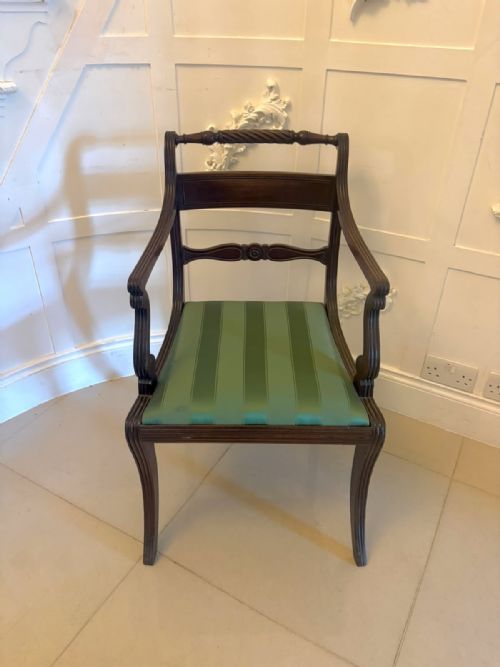
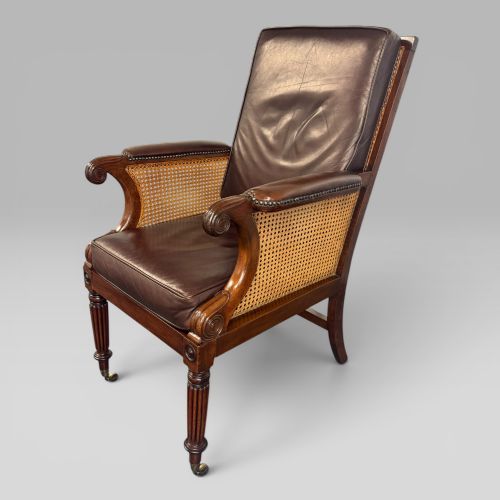
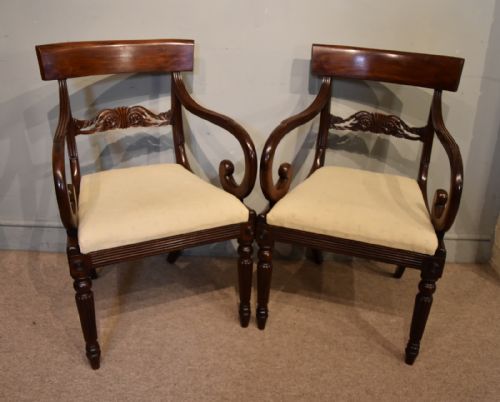
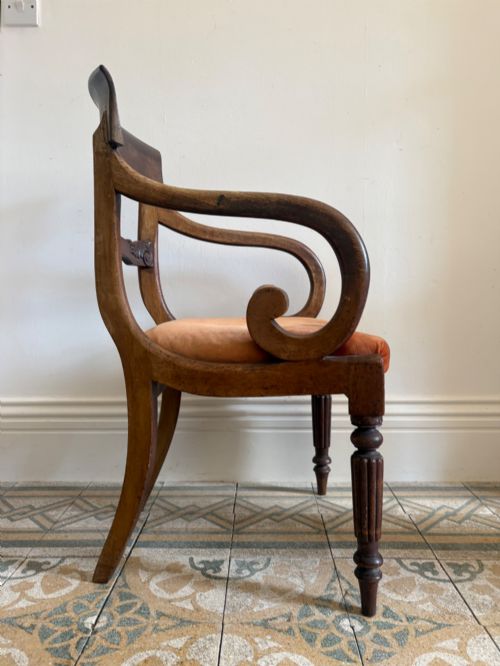


Regency Reeded Armchair
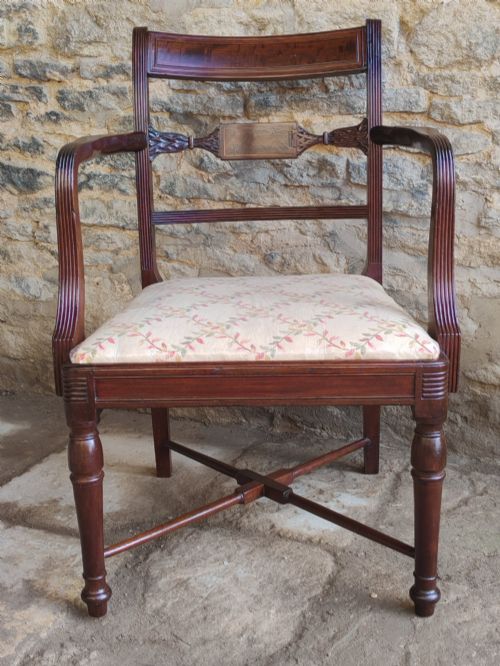
A regency reeded armchair brings formal elegance and linear carved detail to a room, offering both practical seating and architectural presence.
Regency Reeded Armchair
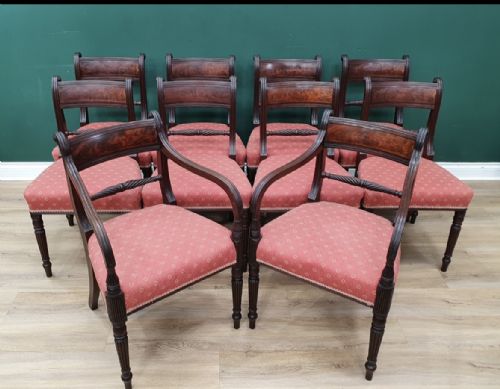
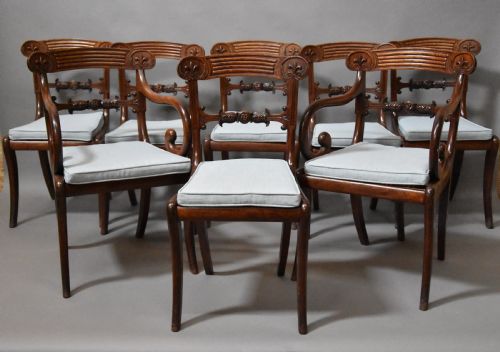
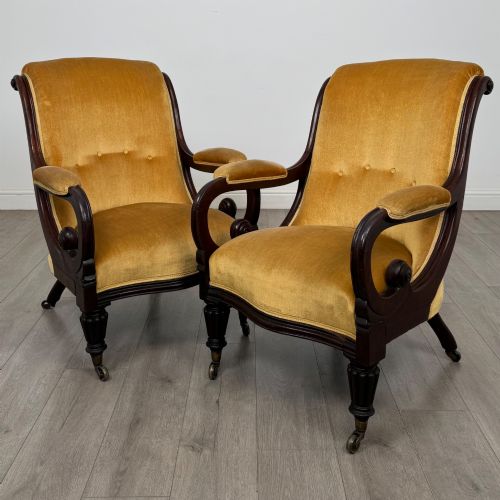
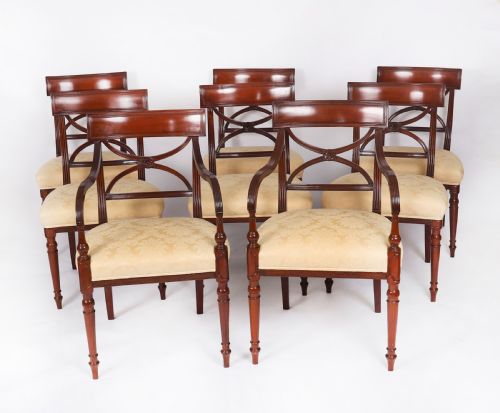
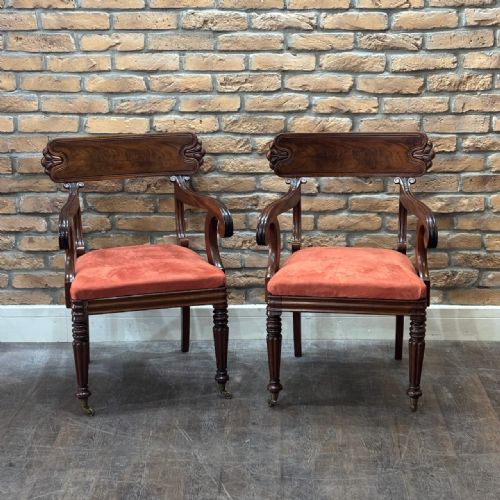
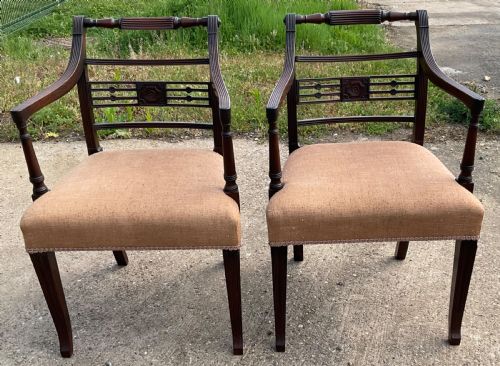
When you search for a regency reeded armchair, you encounter seating designed during the Regency, George III, George IV, and late Georgian periods, alongside later nineteenth century and twentieth century interpretations. These pieces appear predominantly as library chairs, desk chairs, dining armchairs, and carvers.
Distinctions in craftsmanship
Quality rests in the crispness of the carved reeding and the overall balance of the proportions. Finer examples display clean joinery, well-drawn scroll arms, and robust framing that maintains structural integrity over centuries.
The choice of secondary timbers and the precision of the turning on legs and arm supports further separate standard production from superior pieces. Original surfaces and retained caning or leather also contribute to the standing of an individual chair.
Listings feature mahogany, ebony, brass, cane, leather, and velvet across Georgian, Regency, and Victorian periods.
Gillows·Daws
The Regency Reeded Armchair Glossary
- Reeding
- Parallel convex mouldings carved into wood, commonly found on the legs, arms, or frames of Regency seating. This decorative technique creates a textured linear effect.
- Bergère
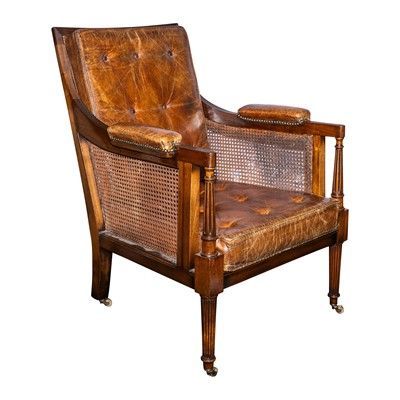
- An enclosed armchair with a wooden frame where the back and sides are typically filled with canework. These seats often accommodate loose upholstered cushions.
- Carver
- A traditional term for an armchair, frequently used to describe dining chairs built with arms for the head of a table. They match or complement a set of single chairs.
- Sabre leg
- A concave-curving chair leg that tapers towards the foot, resembling the blade of a cavalry sword. This form appears frequently on Regency and George III seating.
- Drop-in seat
- A removable upholstered frame that fits into the seat rails of a chair without permanent fixings. It allows for straightforward reupholstery.
Regency Reeded Armchair: Frequently Asked Questions
How do I identify a genuine Regency armchair?
Examine the timber, joinery, and decorative motifs such as reeding and sabre legs. Authentic pieces from the period typically utilise solid mahogany and show traditional hand-cut joinery consistent with early nineteenth century cabinet making.
Compare the proportions and specific design details against documented examples from the Regency and Georgian eras to confirm the period of manufacture.
What is a library bergere chair?
A library bergere is a comfortable, fully enclosed armchair featuring enclosed cane or upholstered sides designed for reading rooms. These chairs often include generous proportions and low armrests.
They frequently appear with leather upholstery or loose cushions to provide added comfort for extended periods of study.
Can these armchairs be used at a dining table?
Many of these pieces function effectively as carver chairs alongside matching dining chairs. Their arm heights and seat dimensions determine whether they fit comfortably beneath a standard table.
Checking the clearance of the armrests against the dining surface ensures practical daily use in a modern setting.
What maintenance do cane seats require?
Caned panels need gentle cleaning with a damp cloth and occasional light conditioning to prevent the natural material from becoming brittle. Keeping them away from direct heat sources preserves the elasticity of the cane.
Professional re-caning restores structural support if the historic mesh work sustains damage over time.