

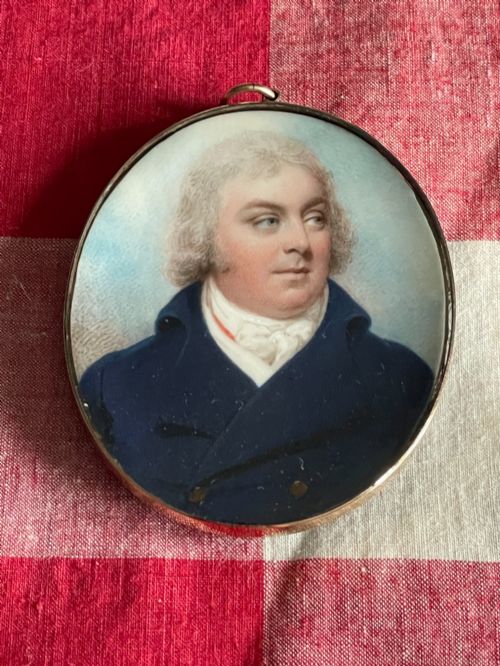
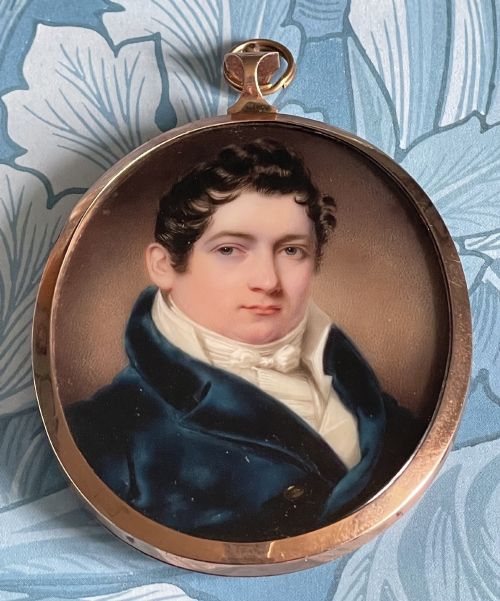
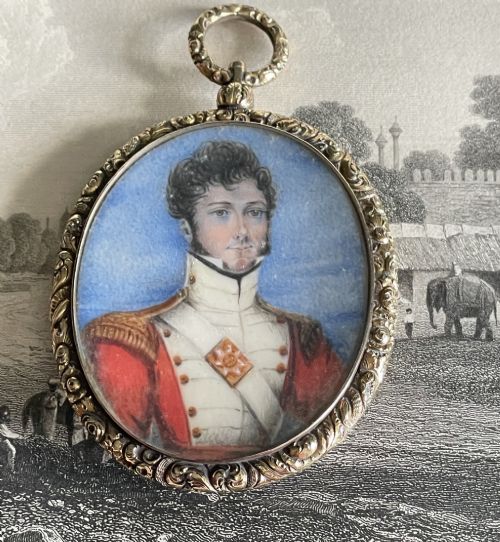
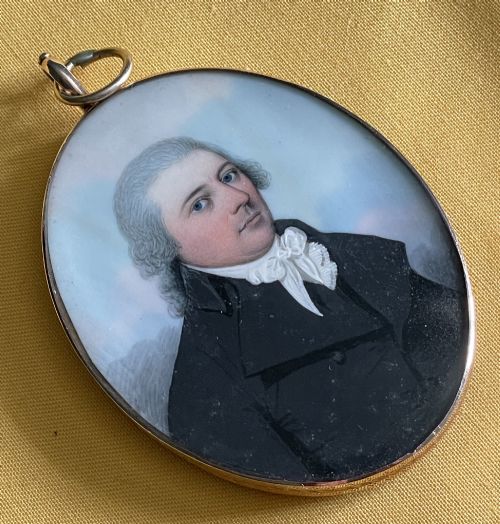
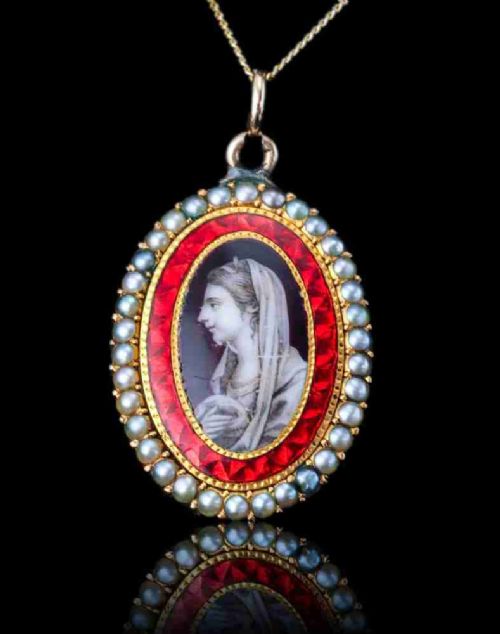


Regency Portrait Locket Pendant
These regency portrait locket pendant pieces bring hand-painted miniatures close to the body in gold, ivory and gilt metal frames.
Regency Portrait Locket Pendant
When you search for a regency portrait locket pendant, you look at wearable miniature art framed in gold, nine-carat gold, gilt metal, and glass. These objects combine portraiture with personal keepsake jewellery, designed to hold painted likenesses close.
The versions you meet most often on this page date from the Georgian and nineteenth-century periods. They include delicate watercolour on ivory paintings and sepia portraits, housed within protective pendant frames that often incorporate pearls.
How they were made
The physical construction relies on delicate watercolour applied to fine slips of ivory, framed securely behind protective glass. Metalworkers shaped gold, nine-carat gold, and gilt metal into miniature bezels and pendant mounts.
Many examples integrate split pearls around the perimeter of the gold frame to accent the painted subject. Backings often incorporate woven hair compartments or glazed sections designed to hold personal mementos.
Regency Portrait Locket Pendant Retail Price Guide 2026
Typical asking prices for regency portrait locket pendant among the pieces listed under this phrase on Sellingantiques today, from the lower quarter to the upper quarter. They describe what is for sale here now, not the wider market.
Periods represented on this page include the eighteenth century, the nineteenth century, and the Georgian era.
What varies in quality
The substance of the frame matters equally, distinguishing solid gold or nine-carat gold settings from simpler gilt metal mounts. The integrity of the glass and the original condition of the delicate ivory surface also separate fine examples from standard pieces.
John C D Engleheart·Frederick Buck·William Grimaldi·George Engleheart·John Inigo Wright·AE Chalon
The Regency Portrait Locket Pendant Glossary
- Portrait Miniature
- A small, highly detailed painting executed on a thin sheet of ivory or vellum, popular before the advent of photography.
- Watercolour on Ivory
- The primary technique used for these portraits, utilising water-soluble pigments layered delicately over a prepared ivory substrate.
- Gilt Metal
- Base metal treated with a thin layer of gold or gold-coloured wash to simulate solid precious metal frames.
- Sepia
- A brownish pigment derived from the ink sac of the cuttlefish, frequently utilised for monochrome portrait miniatures in the Georgian era.
Regency Portrait Locket Pendant: Frequently Asked Questions
What are portrait locket pendants?
These pieces are small, wearable works of art featuring hand-painted likenesses set into gold or gilt metal frames. They functioned as intimate personal keepsakes during the Georgian and nineteenth-century periods.
Most examples contain watercolour paintings on ivory or paper, often accompanied by pearls and glazed reverse compartments intended for hair or initials.
How were they worn?
Owners typically wore these pendants suspended from chains or ribbons around the neck as a visible token of affection or remembrance. The locket format allowed the wearer to keep the subject's likeness directly against their person.
Many designs also double as brooches, featuring pin mechanisms alongside suspension loops to allow versatile placement on garments.
How do I date these pendants?
Dating relies on the painting style, costume details of the sitter, and the construction methods of the gold or gilt metal frame. Georgian pieces often display distinct framing styles with seed pearls and closed-back settings.
Reference to maker signatures or inscriptions on the reverse of the miniature can also provide a reliable timeframe, frequently pointing to the late eighteenth or early nineteenth century.
How do I care for ivory miniatures?
Protect these pieces from direct sunlight, high humidity, and extreme temperature fluctuations to prevent the delicate ivory from warping or cracking. The watercolour pigments are particularly sensitive to light exposure.
Keep the glass clean using a dry cloth and avoid exposing the metal and backings to moisture or chemical cleaners.