


Georgian Miniature Painting Art
Georgian miniature painting art brings small-scale portraiture into focus through delicate works designed to be held or hung.
Georgian Miniature Painting Art
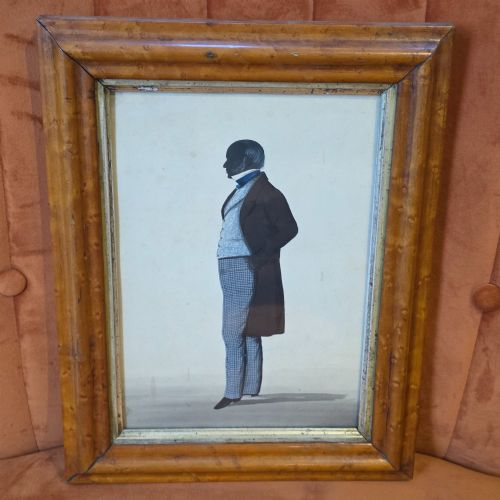
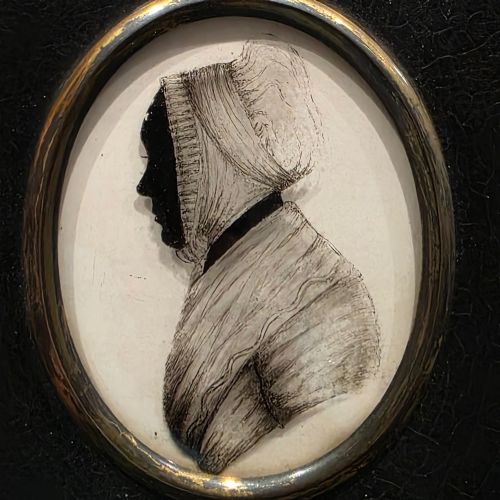
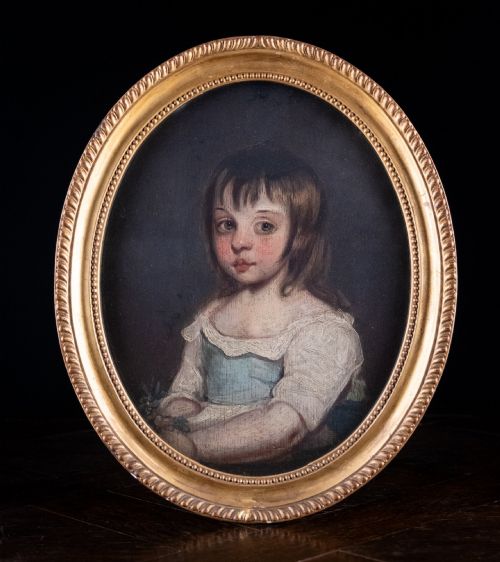
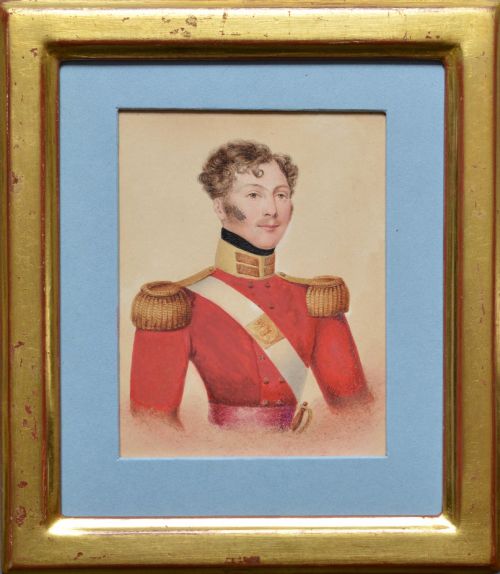
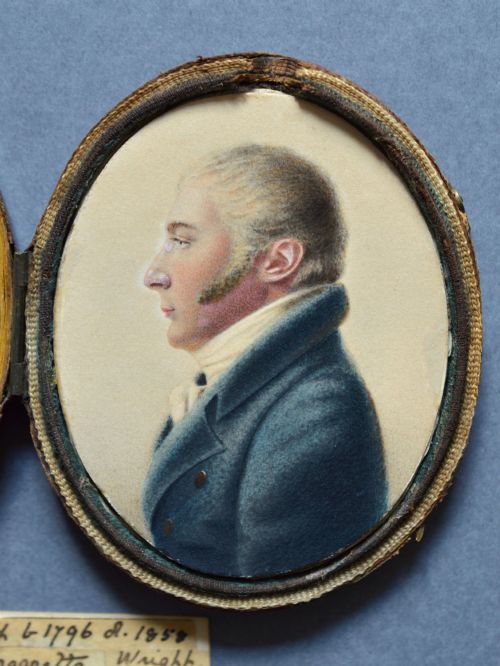
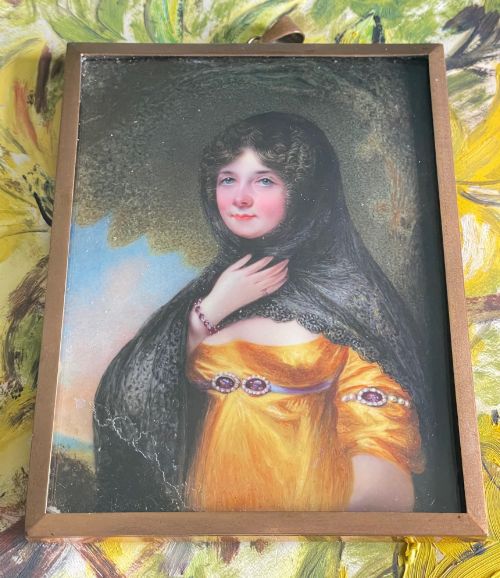
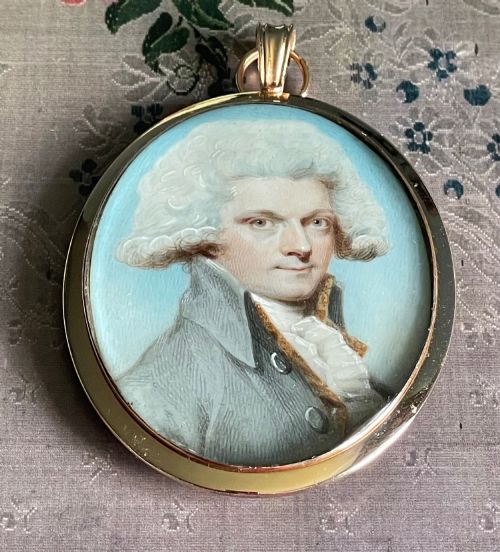
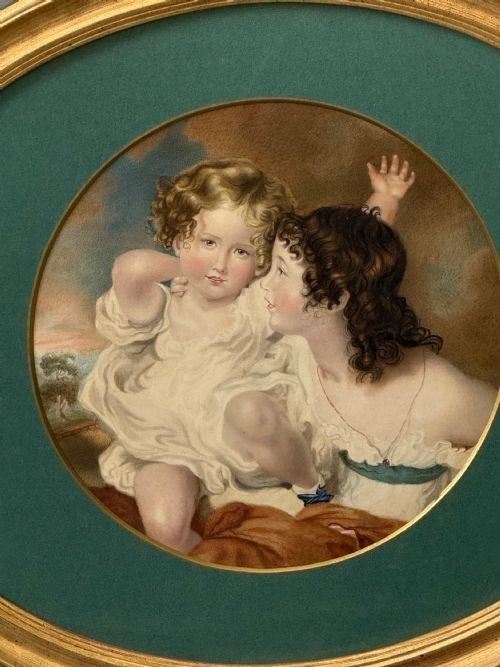
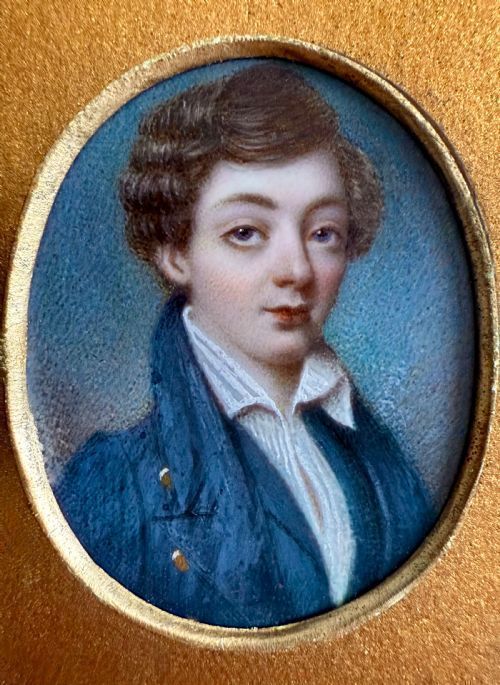
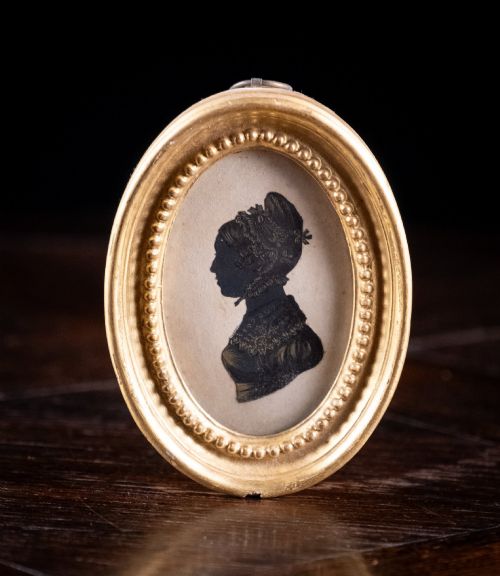
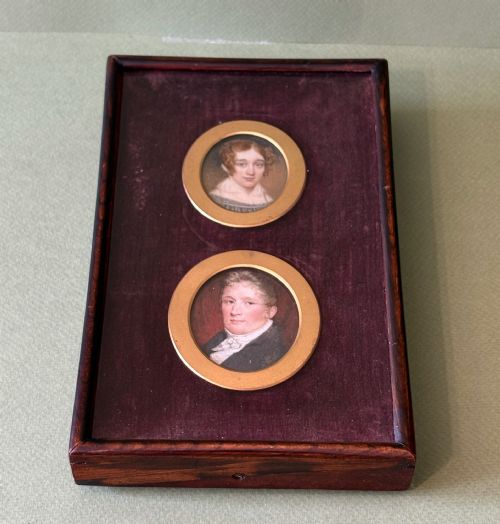
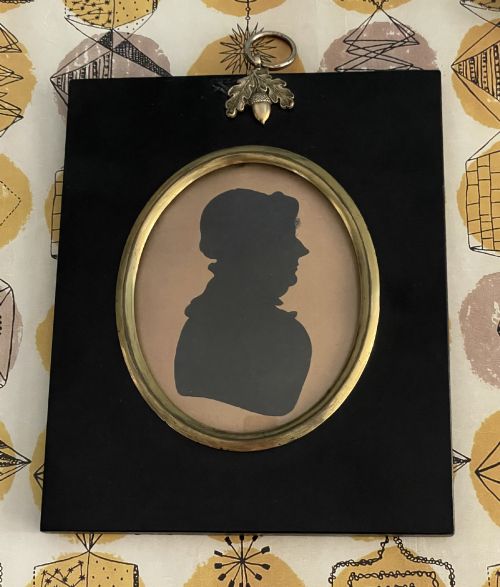
When you search for georgian miniature painting art, you encounter intimate likenesses produced across the eighteenth and nineteenth centuries. The pieces on this page span portrait miniatures, framed artwork, and painted silhouettes originating from periods such as the Regency and Georgian eras.
Makers and regional schools range from British artists to continental portraitists working in French Rococo and neoclassical styles. You will find both named practitioners and works attributed to wider British and European schools.
Materials and construction methods
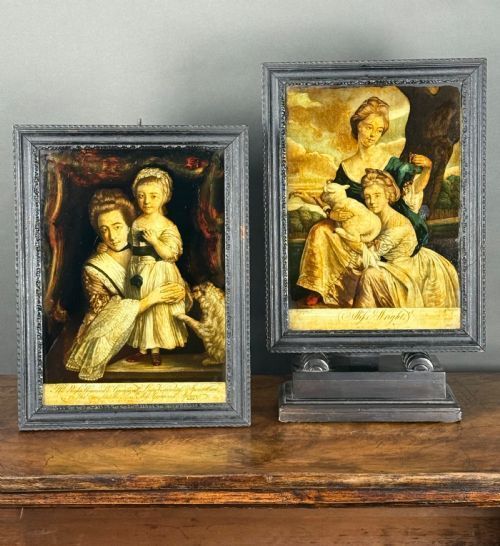
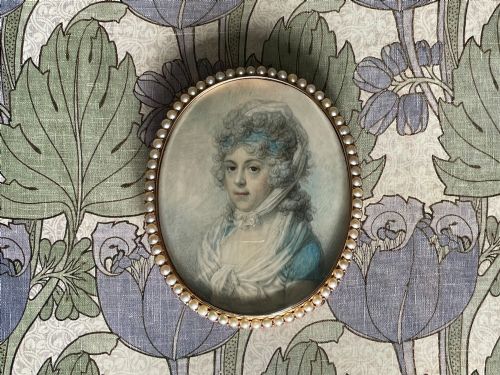
Artists painted these small portraits using watercolour, gouache, and enamel on supports like paper, card, and porcelain plaques. Reverse glass painting and silhouette cutting also appear, requiring steady hands and specialised tools.
Frames employ materials such as gilt metal, brass, gold, wood, ebonised timber, and giltwood. Seed pearls sometimes embellish the borders, complementing the glass coverings that protect the delicate pigments beneath.
Some portrait subjects gaze past the viewer with painted side-eye, proving that the art of looking unimpressed predates modern photography.
Distinguishing quality in miniature art
The sophistication of the framing and mounting separates standard production from exceptional pieces. Original gilt metal, brass, or seed-pearl settings matched to the exact period elevate the overall integrity of the artwork.
James Sharples·Henry Bone·Horace Hone·Charles Shirreff·Richard Cosway·James Gillespie·John Miers·Charles Hayter·Christian Friedrich Zincke·William Naish·Nicolas Freese
The Georgian Miniature Painting Art Glossary
- Portrait Miniature
- A small painting, typically executed in watercolour or enamel, depicting a specific person with high detail. These works were often carried as personal mementoes or worn as lockets.
- Silhouette
- A profile portrait cut from black paper or painted onto card, plaster, or glass. John Miers and other practitioners perfected this shadow likeness during the period.
- Enamel
- A durable medium created by fusing powdered glass to a metal base such as copper or gold under high heat. Enamel miniatures retain their vibrant colour over centuries without fading.
- Reverse Glass Painting
- An artistic technique where the image is painted directly onto the back of a glass panel and viewed from the front. This method gives the surface a glossy, preserved finish.
- Gilt Metal
- Metal treated with a thin layer of gold or gold-coloured wash to imitate solid gold. It provides a durable and decorative border for framed miniatures and silhouettes.
Georgian Miniature Painting Art: Frequently Asked Questions
How were miniature paintings displayed?
These small artworks were frequently hung in intimate spaces like bedchambers or small sitting rooms. Many were framed in wood or gilt metal designed to sit closely against wall panelling.
Others were fitted with loops to be worn around the neck or kept inside pocket-sized protective cases. This portability allowed owners to carry likenesses of family members during travel.
What materials did artists use?
Watercolour on paper or ivory formed the basis for many traditional miniature portraits. Artists also employed gouache, pastel, and enamel applied to copper plaques or porcelain.
Protective elements included clear glass frontings, while frames utilised brass, gilt metal, gold, and ebonised wood. Seed pearls occasionally decorated the borders of finer pieces.
How do I identify a Georgian miniature?
Georgian miniatures often feature sitters in period attire, such as high-waisted Regency dresses, powdered wigs, or military uniforms from the eighteenth and nineteenth centuries. The painting style relies on fine stippling and delicate hatching.
Framing styles also offer clues, with oval ebonised wooden frames and brass bezels being common. Signature placement or attribution notes on the reverse often point to specific schools or makers.
Can I hang these in direct sunlight?
Watercolour pigments and paper supports are sensitive to ultraviolet light and can fade when exposed to direct sun for long periods. It is best to place these artworks on interior walls away from bright windows.
Using conservation-grade glass during framing helps filter light and protect the delicate painted surfaces from environmental damage over time.