





Regency Plant Stand Pedestal
These pieces for regency plant stand pedestal combine classical architectural form with rich timbers to elevate urns and sculpture.
Regency Plant Stand Pedestal
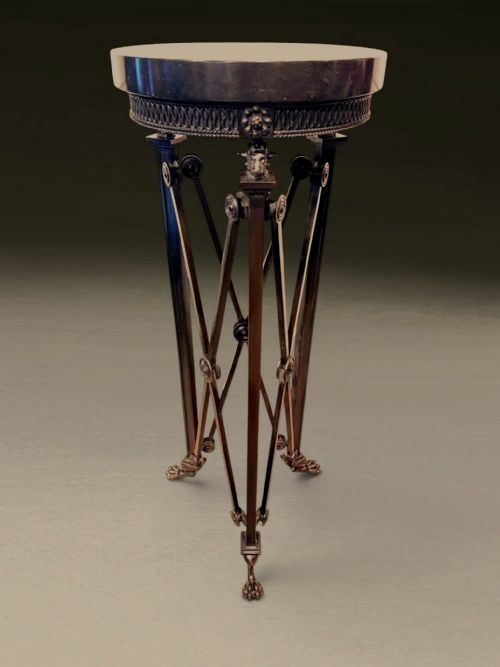
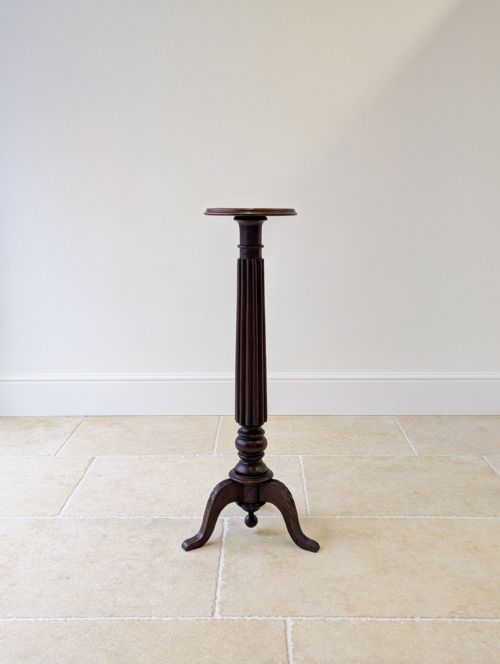
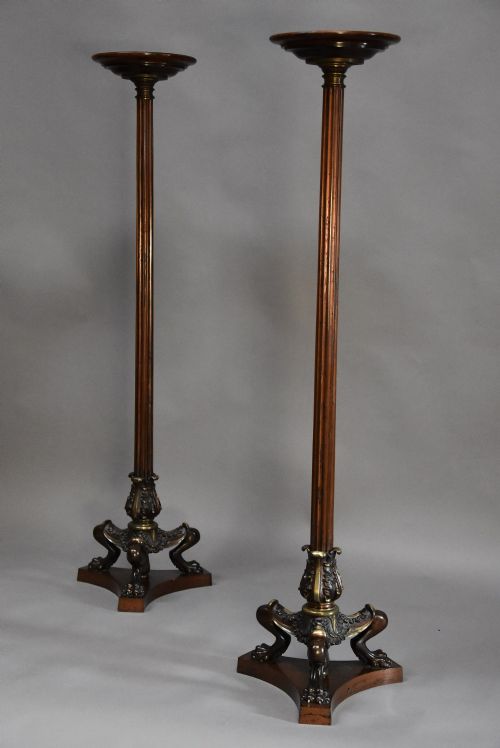
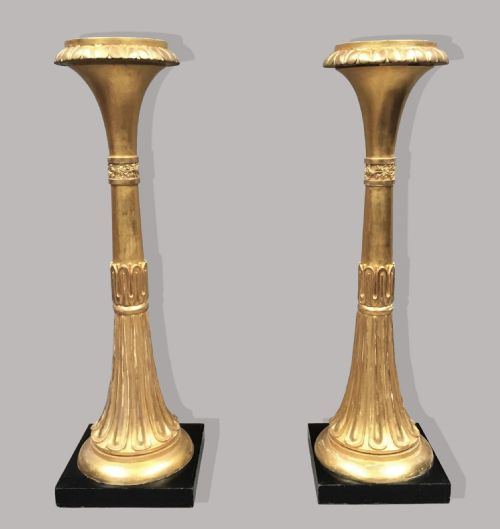
When you search for a regency plant stand pedestal, you encounter tall columns, torcheres, and small occasional tables designed to hold decorative items. The pieces on this page span the Georgian, Regency, and William IV periods, alongside later revival interpretations.
Mahogany and rosewood dominate the material record, often shaped into circular tops supported by carved columns or tripod bases. Alongside timber, brass mounts and marble tops appear frequently to create classical display surfaces.
Jardinieres and planter tables also feature within these categories, serving the practical function of holding plants or water-tight liners. Tall pedestals and sculpture display stands complete the selection for interior elevation.
Materials and Construction
Cabinetmakers utilised dense hardwoods such as mahogany, rosewood, and walnut to build stable columns and tripod bases that could support heavy stone or ceramic urns. Timber surfaces were frequently polished, turned on a lathe, or finished with ebonised and gilt details.
Decorative elements incorporate cast bronze mounts, brass galleries, and inset marble or faux marble tops. Grain painting and simulated marble finishes on pine surfaces provide alternative textures within the documented items.
Regency Plant Stand Pedestal Retail Price Guide 2026
Typical asking prices for regency plant stand pedestal among the pieces listed under this phrase on Sellingantiques today, from the lower quarter to the upper quarter. They describe what is for sale here now, not the wider market.
Several stands feature clever faux marble finishes on pine, proving that nineteenth-century makers loved a convincing disguise.
Judging the Workmanship
The standard of a regency plant stand pedestal rests upon the crispness of the carved details and the choice of timber figures. Richly grained rosewood, amboyna, and figured mahogany denote high-grade workshop production.
Structural stability in tall columns and torcheres relies upon well-fitted joints and heavy, balanced bases. Pieces that retain original marble inserts, giltwood surfaces, or simulated paint finishes command greater attention from collectors.
Gillows·Thomas Hope·George Smith·James Mein of Kelso·Thomas King
The Regency Plant Stand Pedestal Glossary
- Torchere
- A tall, slender stand designed specifically to support a lamp or candle, evolving into plant and sculpture displays.
- Jardiniere
- An ornamental receptacle or stand intended to hold plants or flowers within an interior setting.
- Pedestal
- A structural support or column used to elevate a bust, urn, or decorative vessel.
- Athenienne
- A tripod stand modelled on classical antique forms, frequently incorporating bronze or brass elements.
Regency Plant Stand Pedestal: Frequently Asked Questions
What is a regency plant stand pedestal used for?
These tall stands and columns serve to elevate plants, lamps, urns, and sculptural pieces above floor level to create focal points in a room.
They function as both decorative furniture and stable display platforms within classical interior schemes.
How do I identify a period piece?
Examine the timber species, construction joints, and decorative motifs such as neoclassical brass mounts or hand-carved tripod legs.
Items from the Regency and William IV eras typically display dense mahogany or rosewood alongside authentic period patination.
What materials are typical for these stands?
Solid and veneered hardwoods like mahogany, rosewood, and walnut form the primary structure of most examples.
Surface enrichment often includes marble tops, bronze columns, giltwood highlights, and simulated grain or faux marble paint.