




Regency Period Tea Box
A regency period tea box is a refined receptacle designed for storing precious dried leaves, bringing undeniable elegance to any surface.
Regency Period Tea Box
A regency period tea box sits at the intersection of practical household utility and cabinet-making artistry. When you search for a regency period tea box, you encounter pieces intended to protect expensive dry leaves from moisture and light.
The versions most likely to meet you on this page span the Regency, Georgian, and William IV eras. These items arrive in various forms including tea caddies, boxes and caskets, teapoys, and lidded work boxes.
Materials and construction
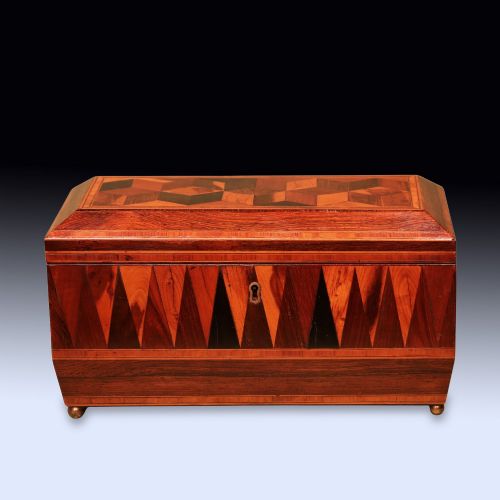
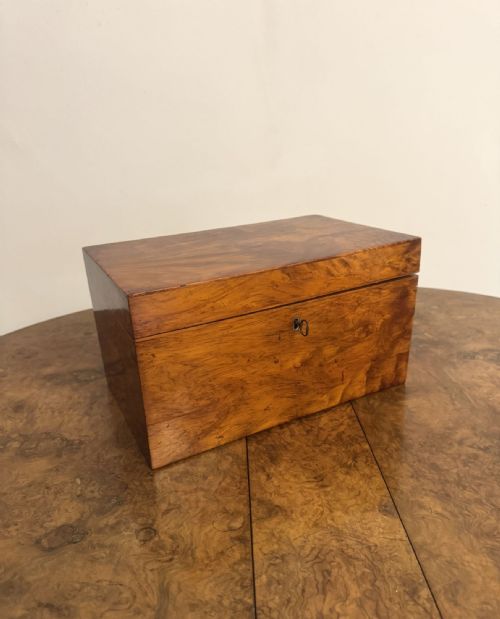
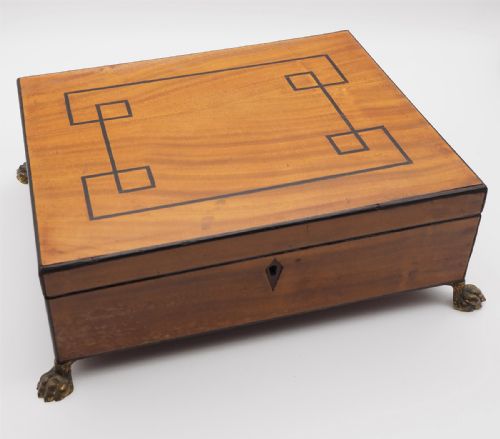
Cabinet makers utilised dense exotic timbers such as rosewood, walnut, mahogany, satinwood, ebony, yew, and birdseye maple for the primary carcases. Many examples incorporate intricate brass inlay or contrasting stringing to accentuate the geometric forms.
Surface decoration frequently extends to delicate penwork and polished tortoiseshell veneers. Some iterations feature mother of pearl bird and foliate inlay alongside bone details and silver mounts.
Several boxes include secret compartments cunningly concealed behind sliding panels to foil tea-thieving servants.
Distinctions in craftsmanship
The upper tier of regency period tea boxes demonstrates exceptional precision in veneer matching and inlay execution. Cabinet makers at this level ensured that brass stringing, tortoiseshell panels, and penwork motifs remained flush and securely adhered to the timber carcase.
Internal arrangements dictate further distinction between standard and superior pieces. Finer examples retain fitted mixing bowls, internal lidded canisters, and original working locks with matching keys.
The Regency Period Tea Box Glossary
- Tea caddy
- A box or container specifically designed to store dry tea leaves securely. Early versions often included internal compartments or canisters.
- Teapoy
- A freestanding pedestal table equipped with a box top for holding tea equipment. These pieces often feature interior compartments for sugar and tea.
- Penwork
- A decorative technique utilising ink drawn onto a prepared wooden surface to create intricate motifs and patterns. Artisans then sealed the detailed work with transparent varnish.
- Tortoiseshell
- The mottled brown and amber shell of certain turtle species utilised as a luxury veneer. Cabinet makers applied thin sheets over a coloured foil backing to enhance depth and luminescence.
- Parquetry
- Geometric mosaic woodwork formed by fitting small wooden blocks together to create repeating patterns. This technique showcased the natural grain variations of diverse timbers.
Regency Period Tea Box: Frequently Asked Questions
What is a regency period tea box?
A regency period tea box is a decorative tabletop container made during the early nineteenth century. These vessels protected valuable imported tea leaves from damp air.
Craftsmen constructed them using fine timbers and elaborate veneers like rosewood and tortoiseshell. Inside, compartmentalised spaces kept different tea varieties separated.
How were these boxes used?
Wealthy households utilised these boxes in drawing rooms or parlours to store black and green teas under lock and key. Tea was a costly commodity, so the mistress of the house kept the key.
Servants brought the box to the table where tea was measured out for brewing. Internal mixing bowls allowed hosts to blend different tea grades before serving guests.
How do I care for a tortoiseshell box?
Tortoiseshell requires stable environmental conditions away from direct sunlight and excessive heat. Sunlight can bleach the amber tones, while dry air causes the delicate shell to warp or crack.
Dust the surface gently with a soft, dry cloth. Avoid using liquid polishes, commercial cleaners, or abrasive materials that might damage the polished finish.
How to tell Regency from William IV pieces?
Regency items generally display lighter, more restrained classical proportions with delicate brass inlay or refined penwork. The aesthetic favours clean architectural lines and subtle geometric contrasts.
William IV pieces tend to be larger, heavier, and more robust in scale. They frequently incorporate bolder decorative elements such as mother of pearl floral inlay and heavier rosewood grains.