


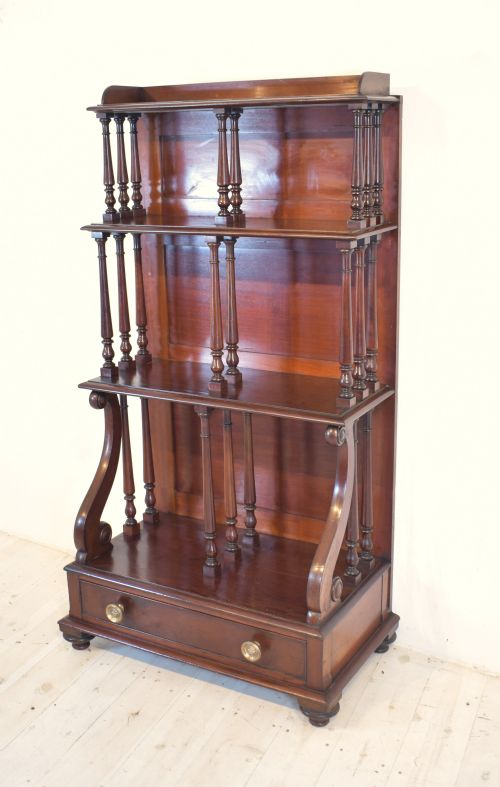


Regency Period Shelf
A regency period shelf brings architectural discipline and rich figured timbers into a room, offering both display and storage.

Regency Period Shelf
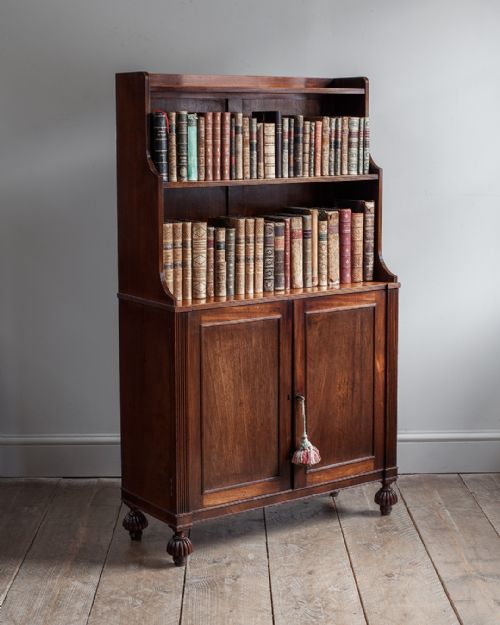
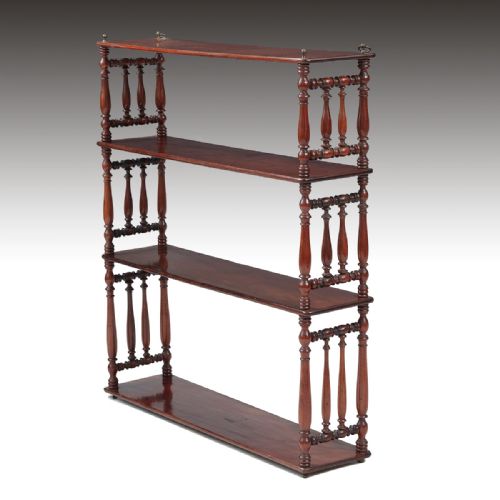
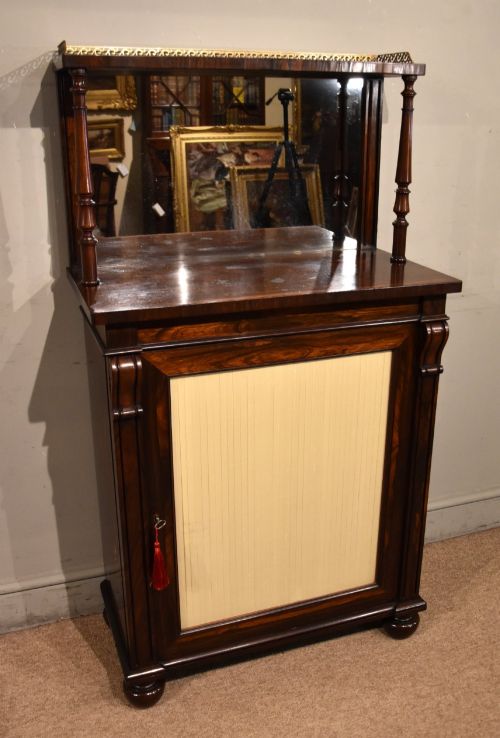
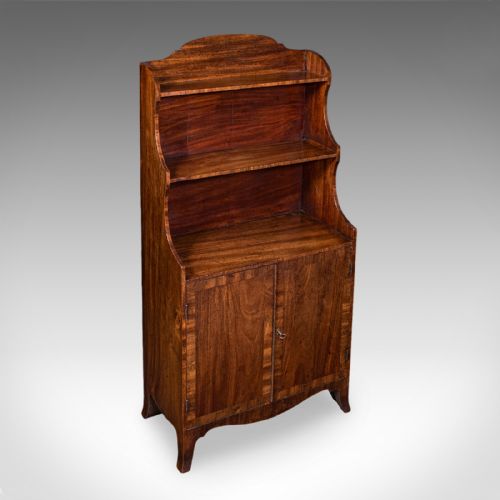
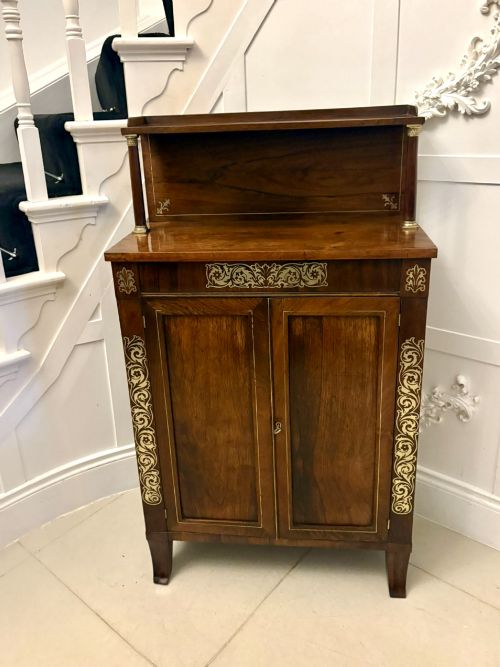
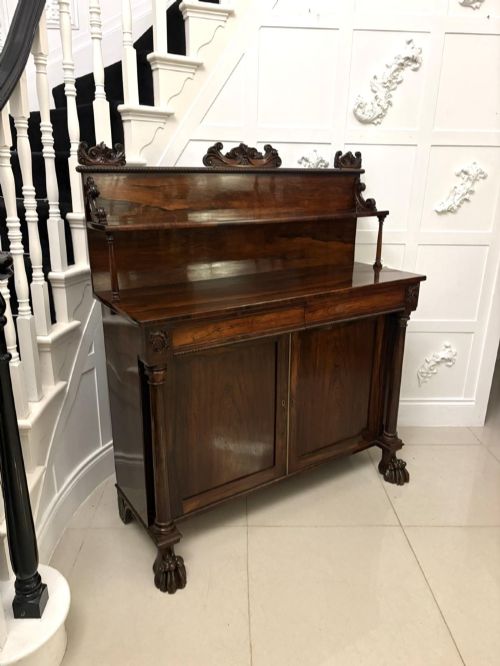
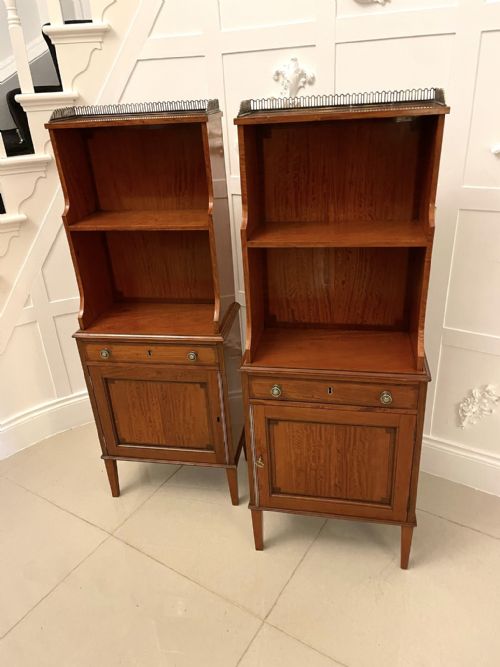
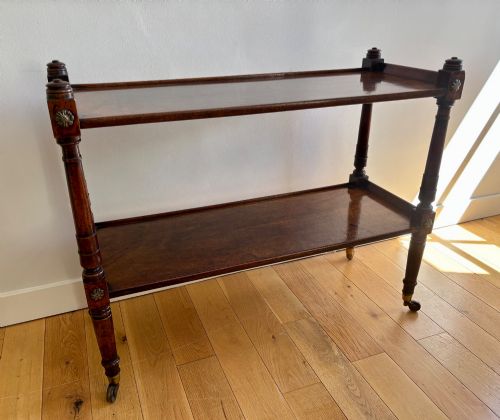
A regency period shelf encompasses open bookcases, tiered whatnots, hanging shelves and chiffoniers spanning the Regency, George IV and William IV eras. The listings feature prominent mahogany and rosewood constructions designed for displaying books and decorative objects.
Buyers frequently encounter tiered etagere units and hanging shelves alongside substantial side cabinets and bookcases from the early nineteenth century. These forms reflect the refined domestic interior tastes of the period.
The selection ranges from petite wall-mounted shelves to grand breakfront floor bookcases, capturing the architectural focus on vertical display.
What varies in quality
The distinction between standard utility items and exceptional pieces rests upon the choice of timber figures, such as highly figured flame mahogany or selected rosewood veneers.
Refinement in secondary details, including precision brass stringing, finely turned supports and robust structural joinery, separates ordinary cabinet work from workshop masterpieces.
Proportion and scale dictate the success of the piece, with unusually small proportions or balanced pairs commanding greater attention from collectors.
Some whatnots include tiny drawers hidden beneath tiers, perfect for misplacing love letters.
Gillows·William Hardy London
The Regency Period Shelf Glossary
- Waterfall bookcase
- A graduated set of open shelves where each tier steps back from the one below it, creating a descending profile reminiscent of falling water.
- Whatnot
- A freestanding open piece of furniture with multiple tiers used for displaying ornaments, books or collections, sometimes also known as an etagere.
- Chiffonier
- A compact sideboard or low cabinet featuring enclosed cupboards beneath a surface or upper shelf, popular during the Regency and later Georgian periods.
- Etagere
- A French term for a set of tiered display shelves designed to hold small decorative objects or books within a principal room.
- Breakfront
- A cabinet design where the central section projects forward from the flanking outer sections, adding architectural depth to bookcases and sideboards.
Regency Period Shelf: Frequently Asked Questions
How do I style a regency period shelf?
These pieces suit formal sitting rooms or studies where their rich timbers complement traditional interiors. Position open bookcases against panelled walls or place tiered whatnots in corners to maximise vertical display.
Keep the arrangement of books and decorative objects balanced to respect the architectural lines of the furniture. Smaller hanging shelves mount securely above side tables to create layered focal points.
What is the difference between a whatnot and an etagere?
Both terms describe multi-tiered open shelving units intended for display, though etagere often implies a lighter, French-influenced framework. In English vernacular, whatnots frequently feature enclosed lower cupboards or drawers.
Both forms served similar decorative functions in Regency drawing rooms and boudoirs.
How do I care for rosewood and mahogany shelves?
Maintain the timber surfaces by dusting regularly with a soft, dry cloth and avoiding direct sunlight that can fade rich rosewood and mahogany veneers. Apply quality beeswax sparingly to nourish the grain without building up sticky residue.
Keep these pieces away from sudden temperature fluctuations and heating vents to prevent timber splitting.
Were these shelves used only for books?
While bookcases housed bound volumes, tiered whatnots and etageres were primarily designed to display porcelain, silver and small curiosities. Chiffoniers combined surface display with concealed storage for household linens or writing materials.
Their versatility allowed them to function across multiple rooms depending on the domestic requirements of the household.