


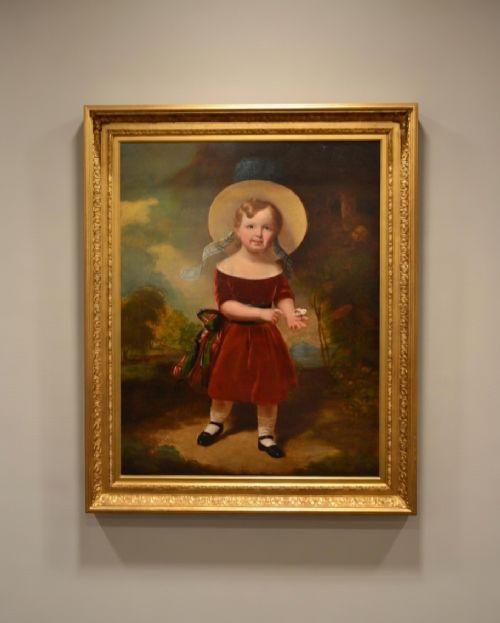


Regency Period Portraiture
Regency period portraiture captures the likenesses of gentlemen, ladies and children in oil on canvas and wood panel.
Regency Period Portraiture
Regency period portraiture encompasses oil paintings and portrait drawings created across the nineteenth century, including specific works dated from eighteen hundred through to eighteen fifty and the Edwardian era. You will encounter half-length and full-length depictions of subjects ranging from young girls in hats to notable figures such as George IV.
The styles associated with these works stretch from Georgian and English Regency to nineteenth century romanticism, grand Regency and Victorian. The pieces record sitters in distinctive attire, from silk dresses and pearls to blue bonnets and feathered hats.
Materials and methods
Many of the paintings are attributed to named artists or specific schools, demonstrating established academic painting techniques of the period. Signatures, dates and inscriptions occasionally appear on the works or frames to record their creation.
Several portraits preserve the exact likenesses of beloved childhood pets alongside their young owners.
Evaluating the work
The standard of a portrait rests in the precision of the brushwork and the psychological depth captured in the sitter's expression. Masterful handling of light on fabrics like silk and lace distinguishes superior examples from simpler academic exercises.
Attribution to documented artists or well-regarded schools elevates the standing of a painting. The preservation of the original canvas, paint layers and period giltwood framing also contributes to the desirability of the piece.
Richard Cosway·Sir Thomas Lawrence·Henry Scott·Edward Bird·George Henry Harlow·Samuel Drummond·George Richmond
The Regency Period Portraiture Glossary
- Oil on canvas
- Pigments bound in a drying oil medium applied to a woven fabric support. This surface preparation allows for smooth blending of tones and rich colour depth.
- Giltwood
- Wood carved and coated with a thin layer of gold leaf or gilt powder. It is frequently utilised for ornate picture frames from the period.
- Wood panel
- A rigid wooden board utilised as a support for oil paint prior to and alongside canvas. Panels provide a stable, smooth ground for detailed portraiture.
- Gesso
- A paint mixture consisting of a neutral binder mixed with chalk, gypsum, or pigment. It serves as a prepared base for framing materials before gilding.
- Portrait drawing
- A work executed on paper using media such as graphite, charcoal or ink rather than oil paint. These drawings capture immediate likenesses and preparatory studies.
Regency Period Portraiture: Frequently Asked Questions
How do I date a portrait?
Examination of the sitter's costume, hair styling and any visible inscriptions provides the primary method for establishing a date. Clothing such as silk dresses, bonnets and feathered hats shifted rapidly across the decades.
Comparison with documented works by known painters from the era helps narrow the timeframe. Frame styles can also offer clues, though frames are frequently replaced over the lifetime of a painting.
Who are the typical sitters?
Sitters include lawyers, glass makers, nobility and children from prosperous families of the era. Portraits recorded the status and identity of these individuals for their descendants.
Commissioned works often preserved the likenesses of public figures or family members. Some paintings depict historical or literary subjects alongside identifiable contemporary persons.
Where should I hang these paintings?
Display these works away from direct sunlight and excessive moisture to protect the oil paint and canvas. Stable indoor conditions prevent the wood panels and gesso frames from warping or cracking.
Consider eye-level placement in a reception room or study to appreciate the fine details of the brushwork. Proper lighting enhances the texture of the oil paint and the giltwood frame without generating heat.
What is an attributed painting?
An attribution indicates that scholarship links a work to a specific artist based on stylistic evidence and technique. While lacking a signature, the handling of the paint matches documented pieces by that hand.
Such works offer collectors an opportunity to acquire art connected to notable painters of the period. Expert opinions often support these attributions through comparative analysis.