


Historical Wall Decor
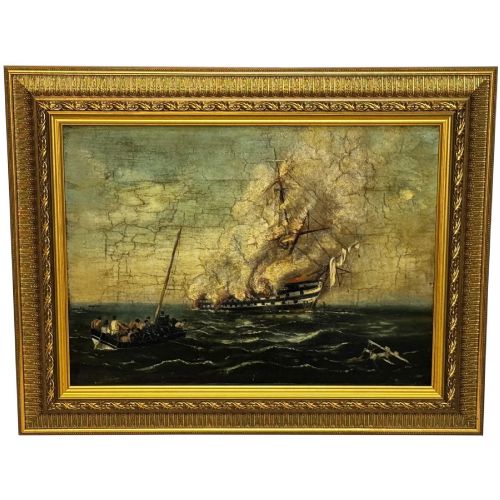
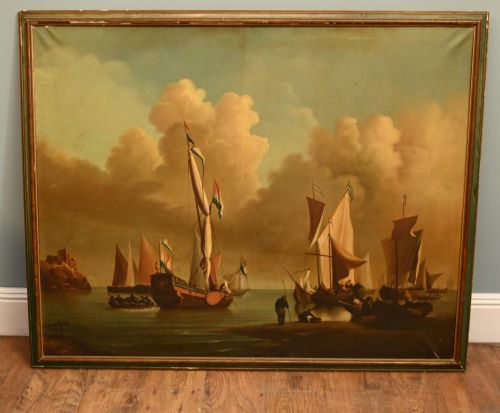
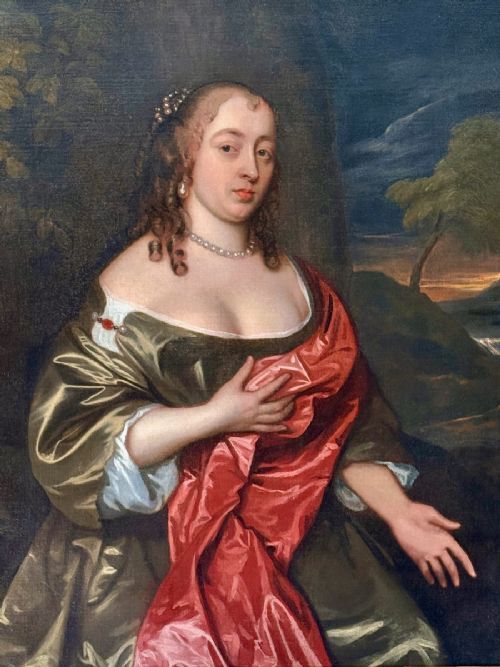
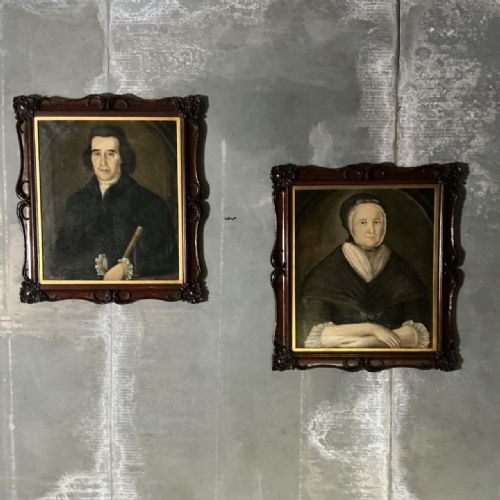
Historical wall decor gathers centuries of painted portraits, maritime scenes, engraved maps, and framed panels that bring past lives into a room.
Historical Wall Decor
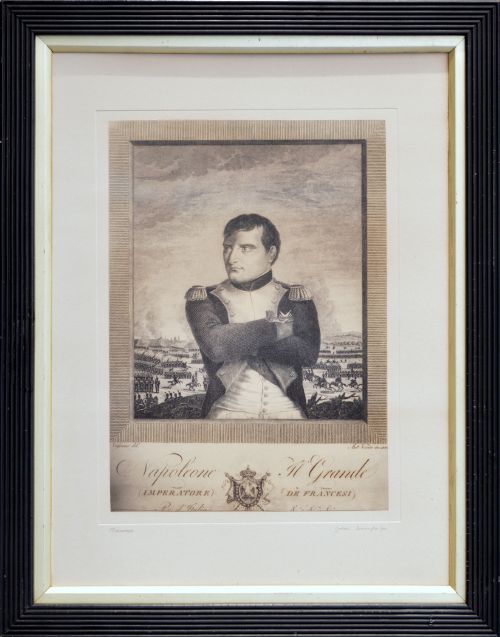
Historical wall decor spans oil on canvas portraits, framed antique maps, and engravings from the seventeenth century through to the Edwardian period.
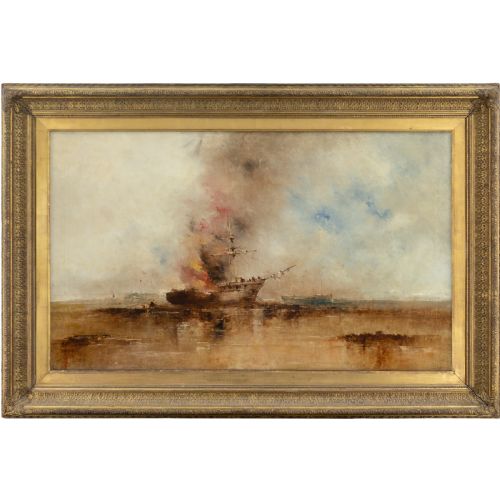
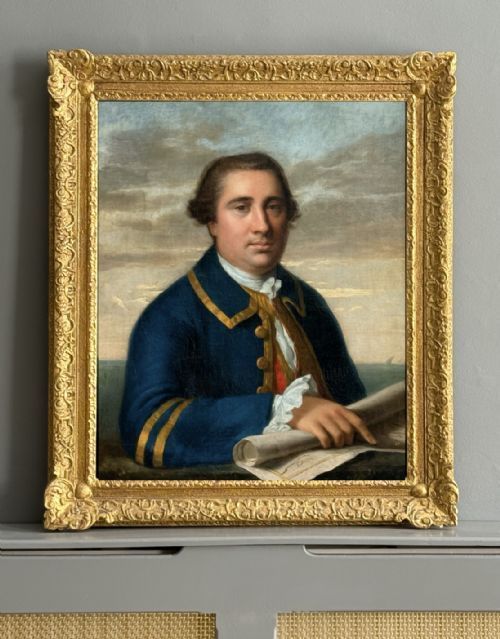
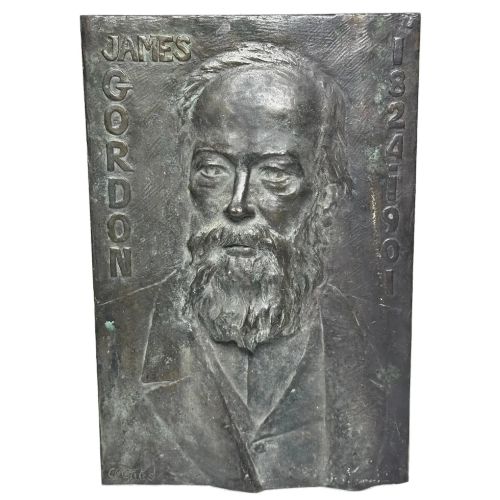
Buyers encounter oil paintings depicting naval battles and historical figures alongside framed paper documents, cartography, and plaques.
The selections on this page draw heavily from British and European portraiture and maritime history, rendered in media typical of past centuries.
Materials and construction methods
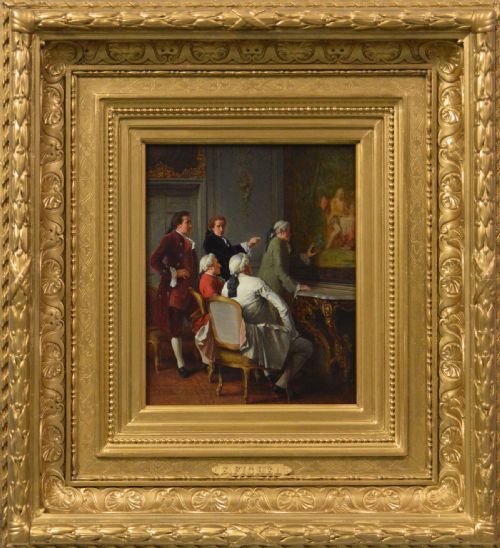
Makers utilised oil paint on canvas and wood panels for portraits and maritime scenes, framed frequently in giltwood or carved wood.
Paper works rely on engraving, etching, and print techniques, often preserved behind glass within period frames.
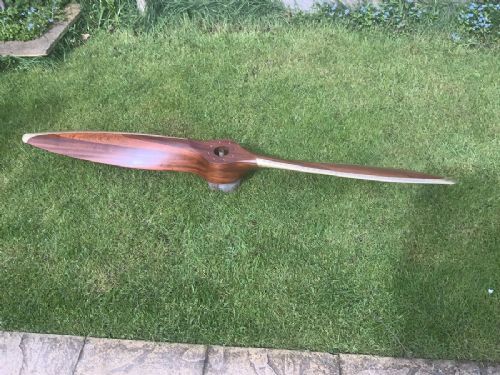
Bronze and metal appear in heavier plaques, badges, and propeller sections originating from naval and industrial contexts.
Listings combine seventeenth-century canvas portraits with nineteenth-century engraved maps, bronze marine badges, and early twentieth-century propeller artefacts.
Indicators of quality and execution
Skill in draftsmanship and brushwork distinguishes fine art oil paintings from standard decorative portraits.
The preservation of original paper surfaces, clear cartographic printing, and the integrity of early frames affect the standing of printed works and maps.
JOHN HAYLS·LEMUEL FRANCIS ABBOTT·Nicolas Fouché·Rob't Morden·Christoffel Bisschop·John Partridge
The Historical Wall Decor Glossary
- Giltwood
- Wood carved and coated with gold leaf or a gold-coloured finish. This finish is typical of decorative frames from the Baroque and later periods.
- Engraving
- An image incised into a metal plate and transferred to paper under pressure. It allows for fine detail in maps and illustrative prints.
- Cartography
- The science or practice of drawing maps. Antique examples often show historical borders and decorative cartouches.
- Panel
- A flat piece of wood used as a rigid support for early oil paintings before canvas became standard.
Historical Wall Decor: Frequently Asked Questions
How do I hang heavy oil paintings safely?
Heavy oil paintings require picture hooks secured directly into wall studs or proper wall anchors matched to the plaster.
Ensure the hanging wire and frame fixings are strong enough to support the weight of giltwood frames.
Are antique maps prone to light damage?
Paper and ink fade permanently when exposed to direct sunlight over long periods.
Display antique maps away from direct windows and consider UV-filtering glass for preservation.
How do I clean giltwood frames?
Dust giltwood frames gently with a dry, soft brush to remove surface particles without disturbing the finish.
Avoid liquid cleaners or abrasive cloths, which strip gold leaf from the carved wood beneath.
What is the difference between an engraving and an oil painting?
Engravings are printed on paper from etched plates, allowing multiple copies of maps or illustrations.
Oil paintings are unique works applied with pigment and medium directly onto canvas or wooden panels.