



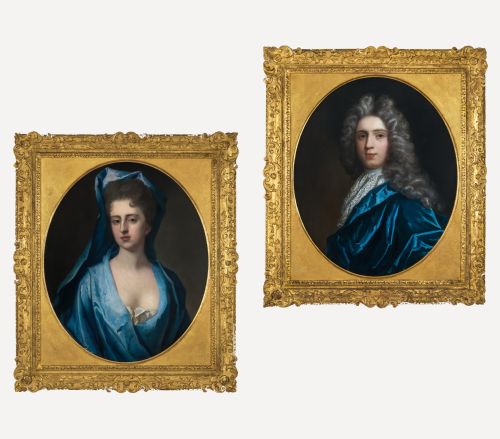
English Oil Painting Canvas
These historic works record centuries of sitters, coasts and pastures through the enduring medium of an english oil painting canvas.
English Oil Painting Canvas
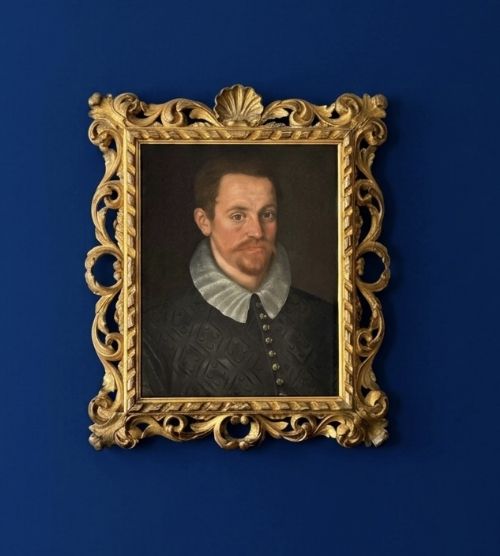
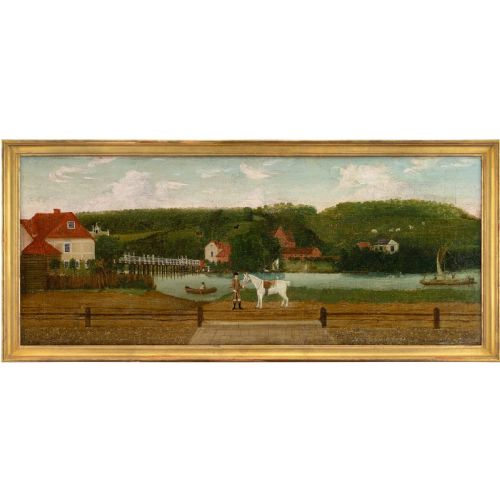
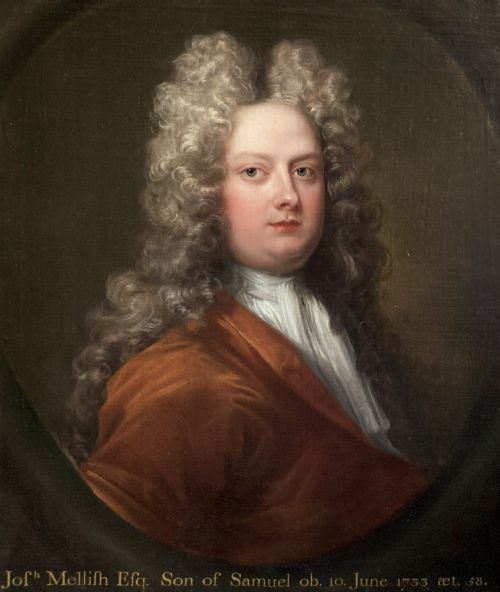
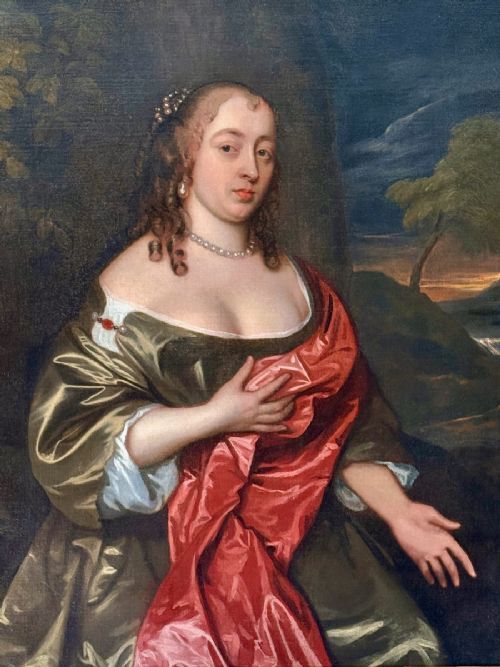
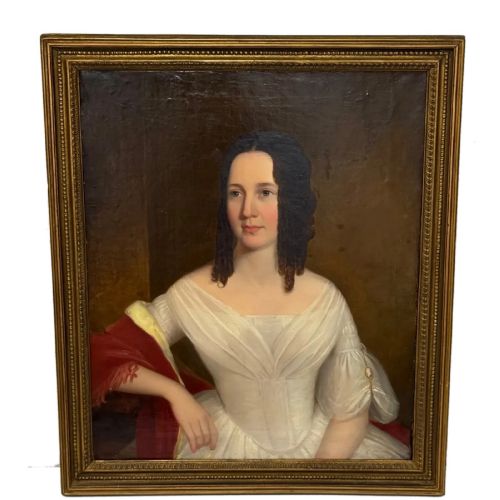
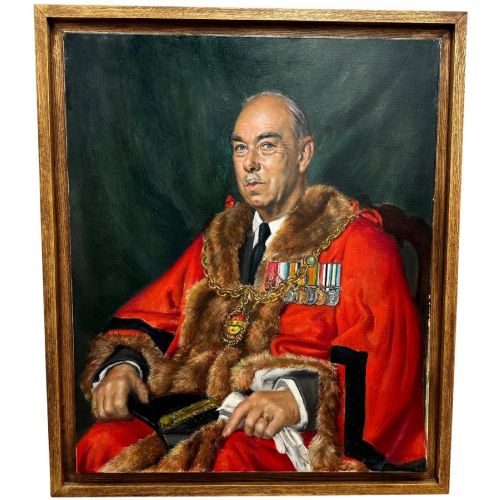
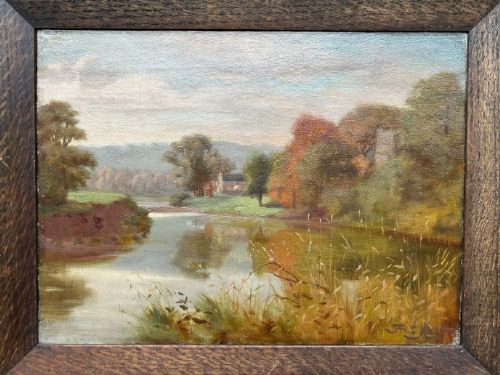
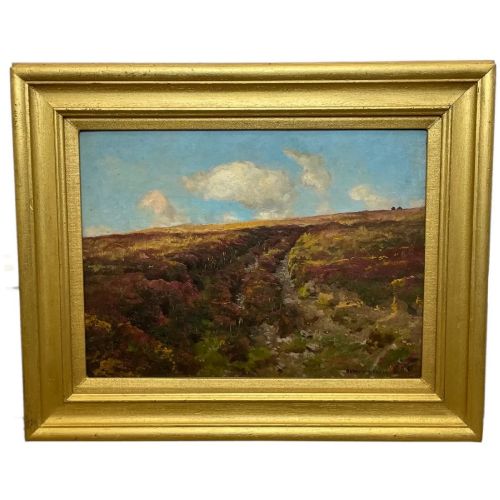
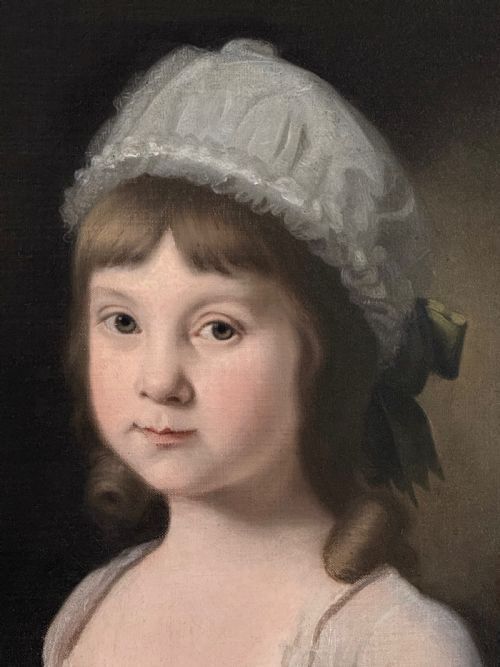
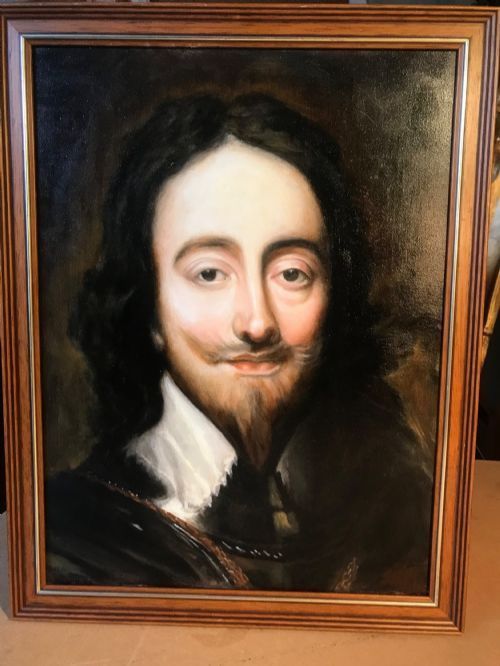
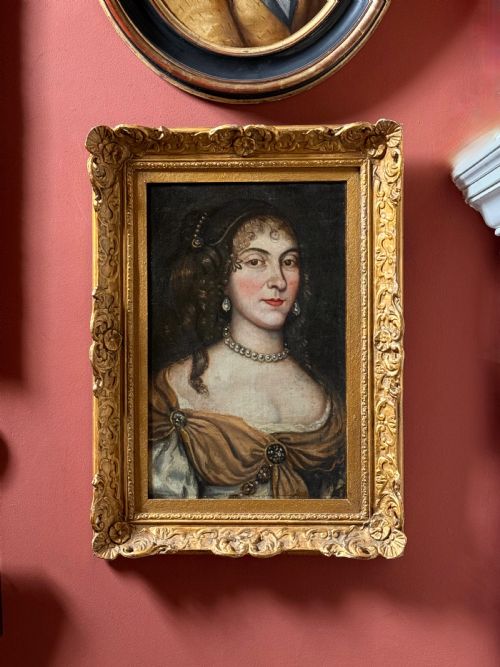
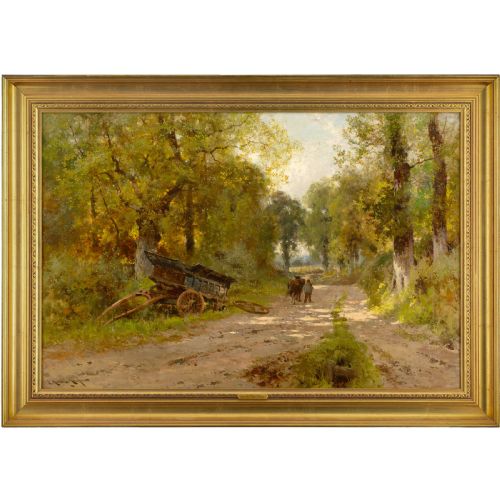
When you search for an english oil painting canvas, you encounter a diverse record spanning from the seventeenth century through to the mid twentieth century. These works capture portraiture, pastoral landscapes, coastal scenes and domestic animals rendered by named masters and regional schools alike.
The portrait subjects range from seventeenth-century nobility in elaborate dress to Victorian civic figures and landowners. Landscapes and seascapes showcase rural cottages, rivers, winter lanes and coastal shipping vessels from across Britain.
Many pieces arrive in their original giltwood or decorative frames, retaining historical labels, inscriptions and markers of provenance. Works vary from grand studio commissions to intimate naive studies.
How They Were Made
Artists built these works upon woven fabric grounds using oil-based pigments applied with brushes or palette knives. The ground canvas was typically stretched over a wooden frame to provide a stable surface for the oil medium.
Surrounds were frequently constructed from wood and finished with giltwood layers, adding structural support and ornamental depth to the finished artwork.
Subject matter ranges from formal aristocratic portraits to rustic farmyard scenes, coastal shipping and prize livestock.
What Varies In Quality
The distinction between standard works and masterworks rests on the finesse of brushwork, anatomical proportion and the psychological depth captured in portraiture. Superior compositions demonstrate confident handling of light, shadow and atmospheric perspective.
Provenance and documentation elevate certain pieces, particularly when associated with recorded exhibitions or identified sitters and locations. The integrity of the original canvas and the harmony of the accompanying frame further influence desirability.
Charles Jervas·John Hayls·Sir Godfrey Kneller·Joshua Reynolds·Thomas Lawrence·John Opie
The English Oil Painting Canvas Glossary
- Oil on Canvas
- A painting technique where pigmented oil paints are applied to a stretched woven fabric support. This method allowed artists to blend colours smoothly and achieve rich textures.
- Giltwood
- Wood carved and coated with a thin layer of gold leaf or gilt finish. Frames made this way protect the edges of the canvas and complement the tones of the painting.
- British School
- A term used to categorise artists working within Britain who shared stylistic influences or training rather than belonging to a formal academy. It often describes unsigned or unattributed regional works.
- Provenance
- The documented history of ownership of an artwork from its creation to the present day. Clear provenance helps verify authenticity and historical context.
- Portraiture
- The representation of a specific human subject focusing on likeness, personality and status. These works often include symbolic objects or landscape backgrounds.
English Oil Painting Canvas: Frequently Asked Questions
How do I clean an antique canvas?
Surface dust can be gently removed using a very soft, dry brush, taking care around any areas of old repair or craquelure.
Professional conservation is recommended for any deeper cleaning or removal of discoloured varnish to avoid damaging the pigment.
Can I reframe an old painting?
Original frames often carry historical significance, labels and wear that contribute to the piece's character and provenance.
Retaining the period surround is generally preferred by collectors, provided the structure remains stable and secure.
How do I identify the period?
Dating relies on examining the stretcher construction, canvas weave, nail types and stylistic markers of costume and hair.
Inscribed biographical details on the reverse or historical exhibition labels also offer reliable chronological anchors.
Where should I hang these works?
Paintings on fabric require stable environmental conditions away from direct sunlight, dampness and rapid temperature fluctuations.
Interior walls with moderate humidity and indirect lighting help protect the oil pigments and wooden stretchers from warping.