

Regency Period Picture
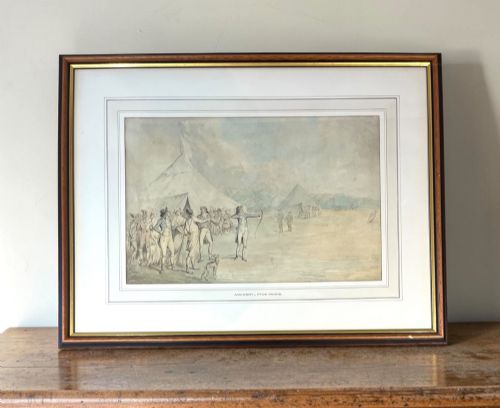
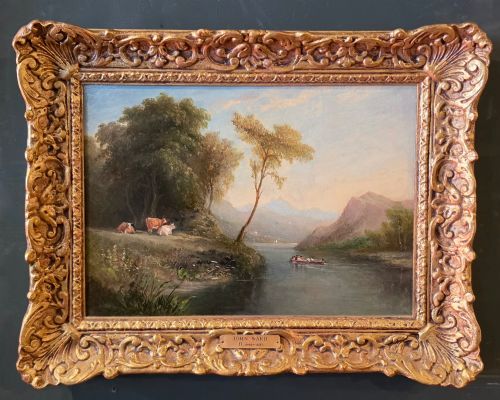
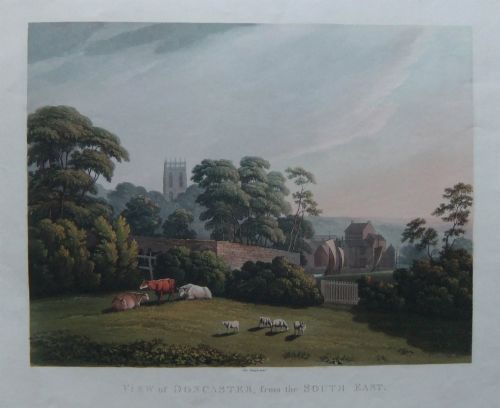
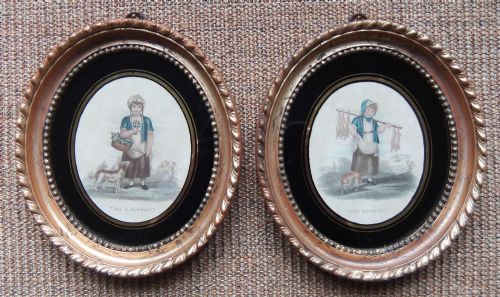
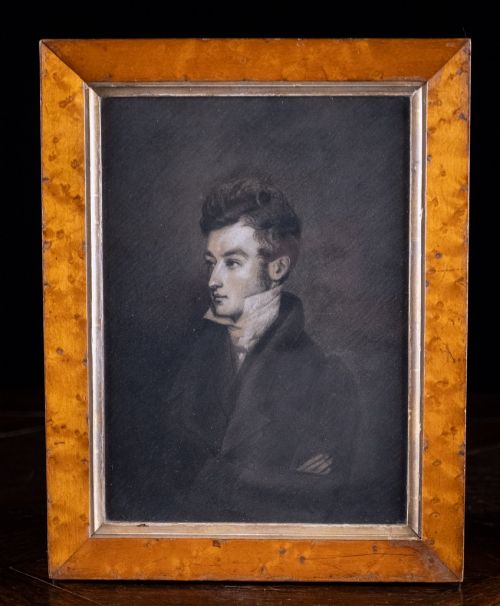
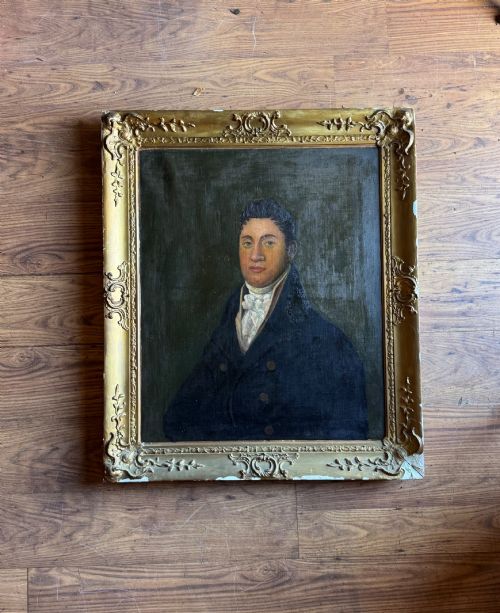
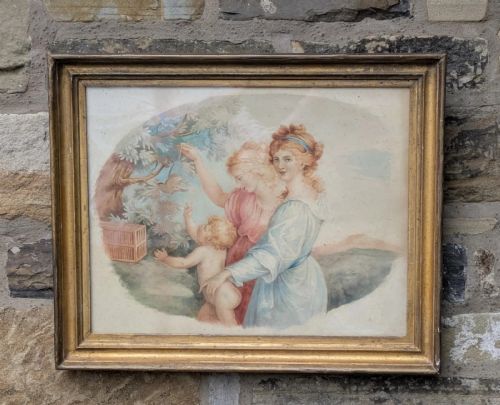
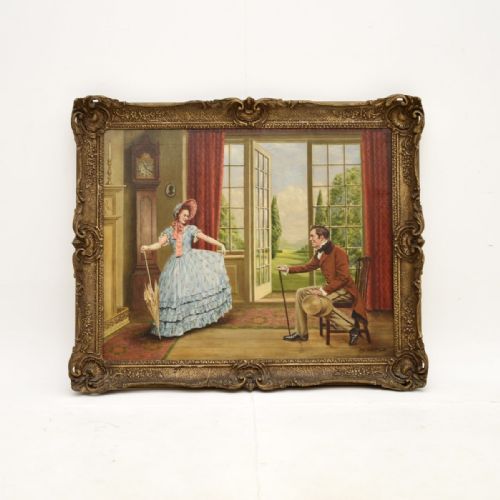
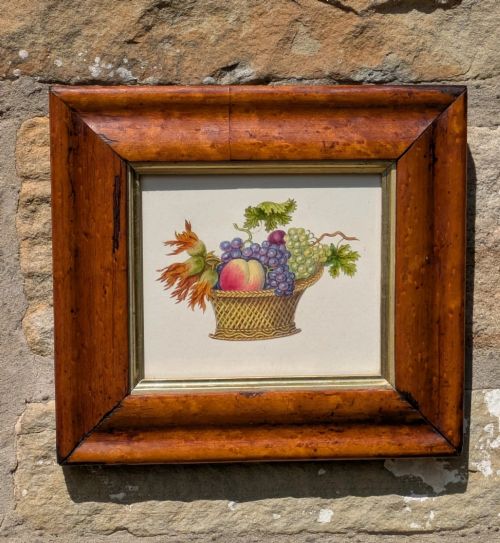
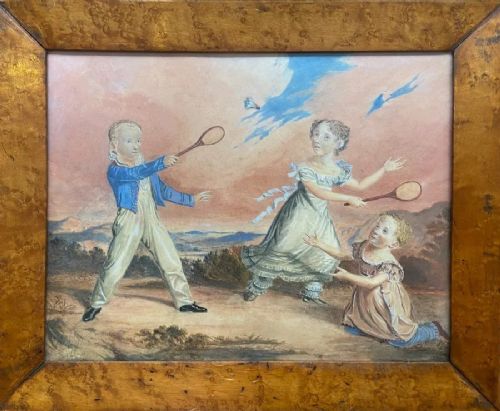
These pieces for a regency period picture range from delicate watercolours to oils on canvas, offering a glimpse into early nineteenth-century life.
Regency Period Picture
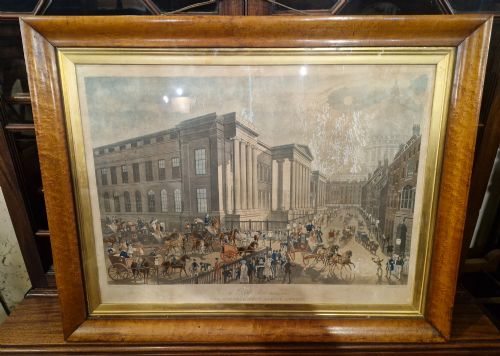
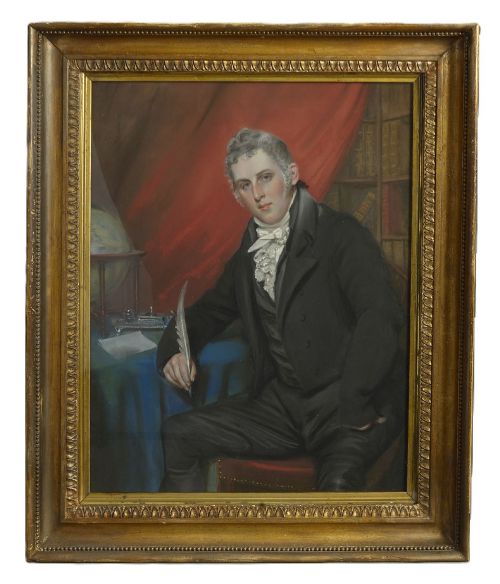
A regency period picture encompasses works spanning the early nineteenth century, including the Georgian and Victorian eras, with a strong focus on the Regency style itself. The selection relies heavily on framed prints, watercolours, and oil paintings.
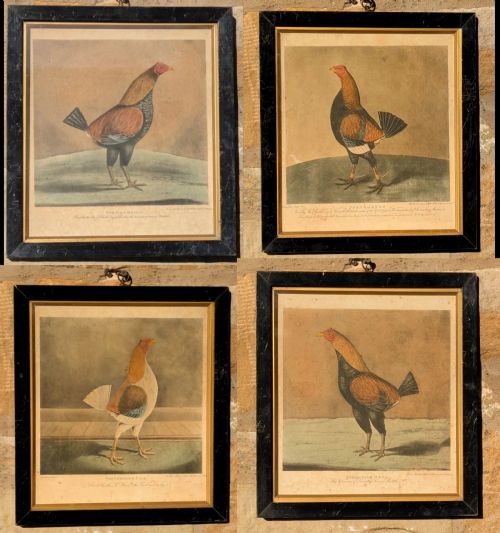
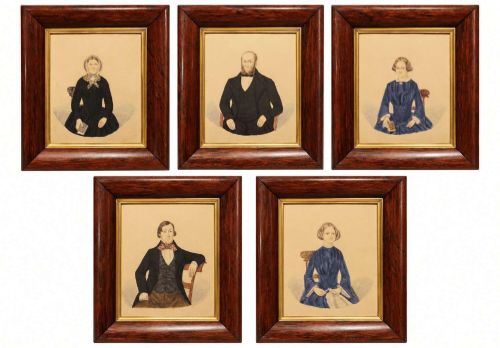
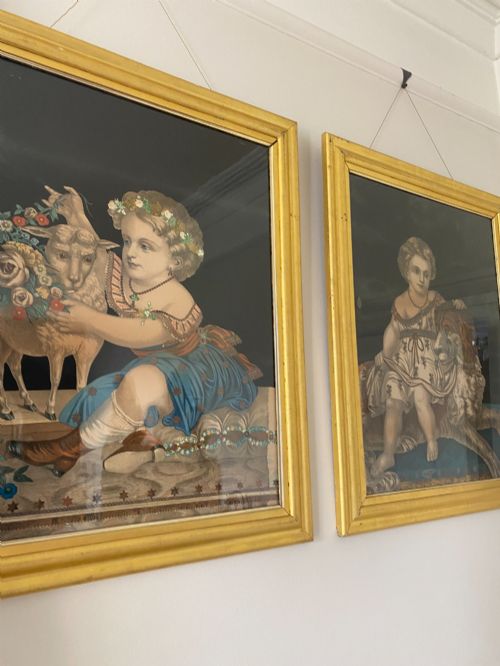
Buyers encounter portraits, landscapes, and genre scenes in various formats, from single framed artworks to pairs of hand-coloured engravings and sets of prints.
How They Were Made
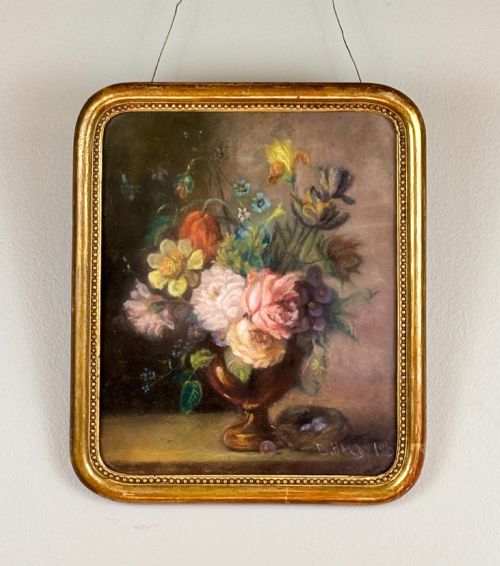
Materials include paper, glass, wood, and giltwood, paired with mediums such as watercolour, pastel, oil on canvas, and gold leaf. Engravings often feature hand colouring or hand tinting.
Framing utilises wood such as rosewood and Hogarth frames, alongside gilt mezzotint frames, while some works incorporate metal embellishments on clothing.
Regency Period Picture Retail Price Guide 2026
Typical asking prices for regency period picture among the pieces listed under this phrase on Sellingantiques today, from the lower quarter to the upper quarter. They describe what is for sale here now, not the wider market.
The selection spans periods from the Georgian and Regency eras through to the Victorian age.
What Varies in Quality
The distinction lies in the execution of the hand work, such as the precision in hand-coloured engravings and the skill visible in watercolour portraits and oil paintings.
Materials and framing choices contribute to the overall character, with rosewood frames and giltwood enhancing the presentation of the artwork.
John Raphael Smith·Thomas Rowlandson·S and J Fuller·Thomas Woolnoth·Walter Dendy Sadler
The Regency Period Picture Glossary
- Engraving
- An image produced by cutting a design into a plate, often hand-coloured in this period. These prints formed a popular domestic art form.
- Mezzotint
- A printmaking process that achieves tonal gradation, frequently housed in gilt frames. It allows for subtle shifts in light and shadow.
- Watercolour
- Pigment suspended in water applied to paper, commonly employed for landscapes and portrait miniatures. The medium demands swift and assured brushwork.
- Giltwood
- Wood carved and covered with gold leaf, used for framing pictures. It provides a reflective border that catches interior candlelight or daylight.
Regency Period Picture: Frequently Asked Questions
How are these pictures framed?
Many works use period frames such as rosewood, Hogarth, or gilt mezzotint styles. These surrounds complement the visual weight of the prints and paintings.
Original framing helps maintain the historical context of the piece, though some items have later mounts or glass protection.
What subjects appear most often?
Portraits of individuals and families dominate, alongside landscapes, classical scenes, and sporting subjects like fox hunting. Genre paintings depicting domestic life also feature prominently.
These themes reflect the taste of patrons during the early nineteenth century.
How do I identify a regency piece?
Look for stylistic markers of the early nineteenth century, including specific costume details, neoclassical motifs, and traditional printing techniques. Dates and signatures occasionally provide direct confirmation.
Material choices like paper types and wooden frames also align with the period.
Can I hang watercolours in daylight?
Watercolours on paper benefit from protection against direct sunlight to prevent fading of the pigments. Placing them away from bright windows preserves the colours.
Using conservation glass during framing further safeguards the delicate painted surface.