
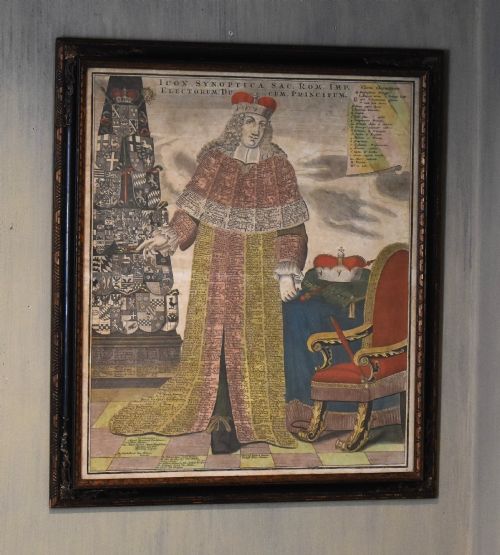


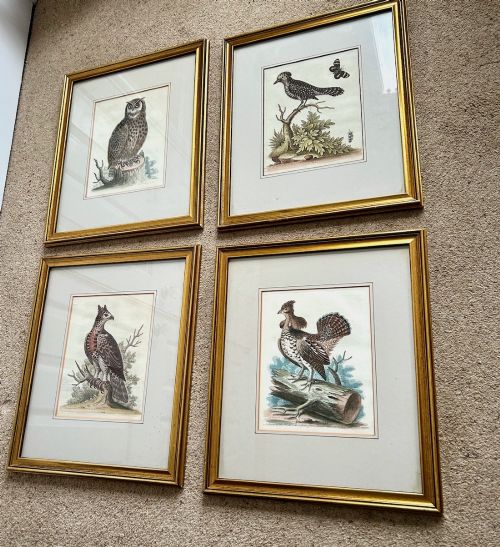


Coloured Copperplate Engraving
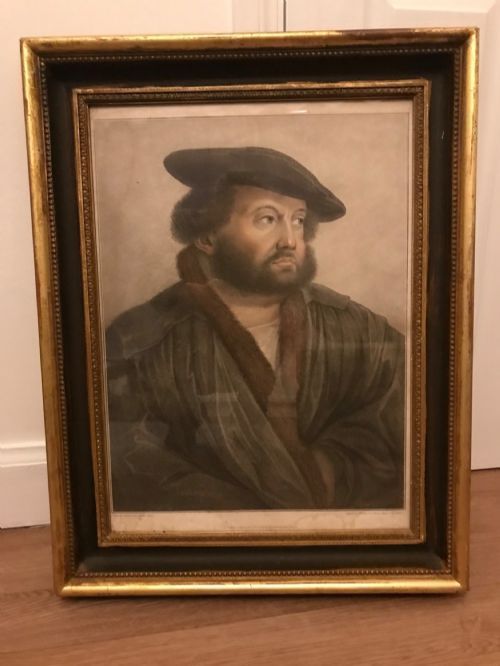
These coloured copperplate engraving pieces bring period cartography, natural history, and portraiture onto the wall through centuries-old printed paper.
Coloured Copperplate Engraving
A coloured copperplate engraving is a printed work produced from an engraved metal plate, often enhanced with watercolour. When searching for this phrase, a buyer encounters framed wall art, antique maps, and detailed prints spanning the seventeenth to nineteenth centuries.
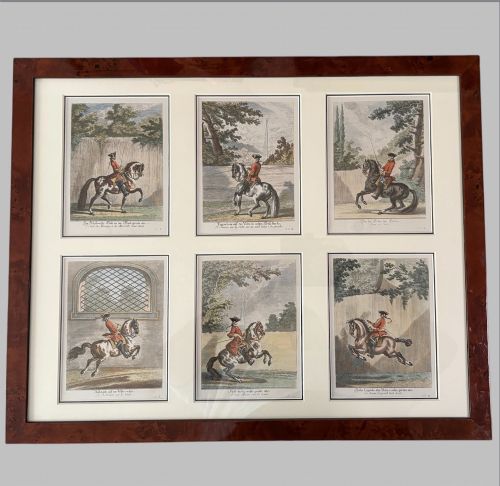
The pieces on this page lean heavily toward eighteenth-century English and European production, alongside seventeenth-century cartography and nineteenth-century sporting or military subjects. Common formats include botanical studies, regional maps, animal plates, and historical portraits.
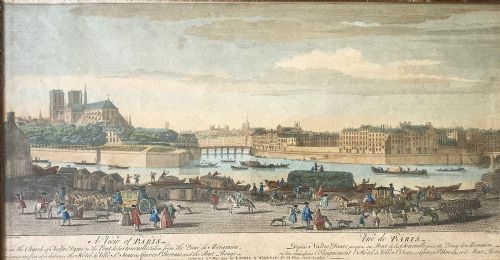
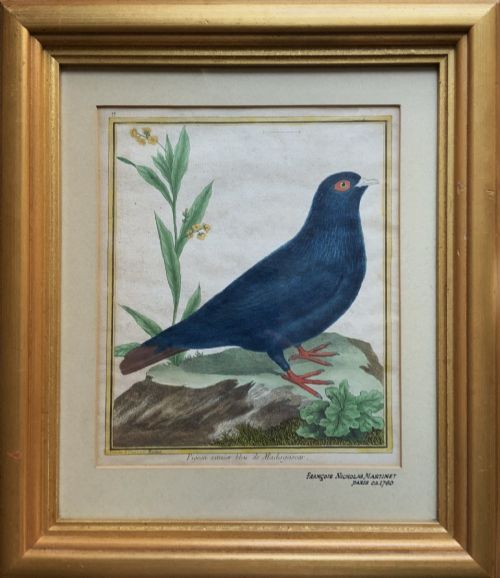
Cartography forms a large section of the available range, featuring county maps and town plans originating from Dutch and English atlases. Natural history subjects such as birds, serpents, and flora also appear frequently, often presented as framed prints.
How they were made
Makers pressed inked copper plates onto sheets of paper under high pressure to transfer fine linear details. Artisans then applied hand colouring using watercolour pigments directly onto the printed surface.
Framing materials accompanying these works typically involve wood, gilt wood, glass, and burr wood veneer, protecting the delicate paper substrates from environmental damage.
Listings incorporate paper, glass, wood, watercolour, gold leaf, ink, gilt wood, and burr wood veneer across multiple centuries.
What varies in quality
Quality rests primarily in the crispness of the original impression from the copper plate and the skill of the hand-applied pigment. Finer examples maintain sharp, clean lines without ink spreading, paired with delicate and precise washes of watercolour.
The survival of the paper sheet and the subtlety of the early colouring dictate the standing of a piece within its period. Contemporary framing and the condition of the margins also influence the overall standard of the work.
Francesco Bartolozzi·François-Nicolas Martinet·Braun and Hogenberg·Joan Blaeu·Robert Morden·Johannes Janssonius·Georg Wolfgang Knorr·Emanuel Bowen
The Coloured Copperplate Engraving Glossary
- Copperplate engraving
- A printmaking technique where lines are incised into a copper sheet to hold ink for transfer onto paper.
- Hand colouring
- The application of watercolour pigments by hand to a monochrome printed sheet after the impression is made.
- Stipple engraving
- A method of creating tonal gradations using dots rather than continuous lines on the metal plate.
- Cartography
- The science or practice of drawing maps, represented here by atlas engravings from various centuries.
- Mezzotint
- A printmaking process of the intaglio family where the plate is roughened to produce tones rather than lines.
Coloured Copperplate Engraving: Frequently Asked Questions
How do I care for antique paper prints?
Keep framed engravings away from direct sunlight to prevent the watercolour pigments from fading over time. Maintain stable indoor humidity levels to protect the historic paper from warping or foxing.
Ensure the framing utilises acid-free backing materials to safeguard the paper margins. Professional framing with UV-filtering glass offers the best protection for sustained display.
Are these prints hand coloured originally?
Many examples feature period hand colouring applied shortly after the initial printing process in the seventeenth, eighteenth, or nineteenth century. Artisans used delicate watercolours to enhance botanical, zoological, and cartographic details.
Close inspection under magnification reveals the subtle brushwork characteristic of historic pigment application. This distinguishes period colouring from later modern enhancements.
What periods do these engravings cover?
The selection spans from pre-sixteenth century cartography through the seventeenth and eighteenth centuries, extending into the Victorian era. Georgian and seventeenth-century Dutch atlas maps form a substantial portion of the available range.
Each period exhibits distinct stylistic traits in typography, plate margins, and cartographic ornamentation. Dating is typically supported by publisher attributions and publication records.
How are antique maps usually mounted?
Antique map engravings are commonly presented behind glass within wood, gilt wood, or burr wood frames. Window mounts or sinking mounts help keep the paper away from direct contact with the glass.
Visible margins and Latin text on the reverse often remain preserved within the framing structure. Original folds from bound atlases frequently appear across the centre of larger map sheets.