
Georgian Gentleman Artwork
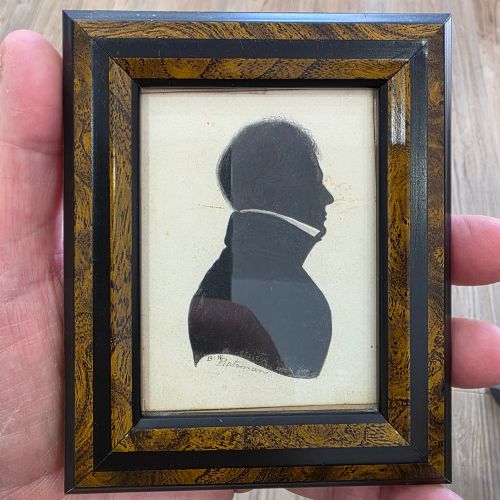
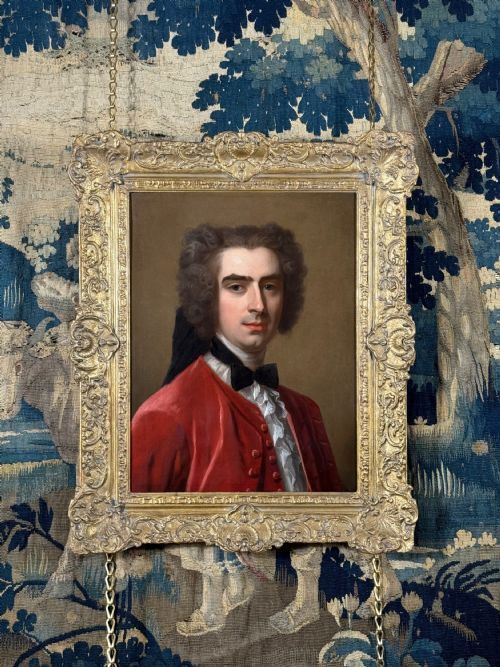
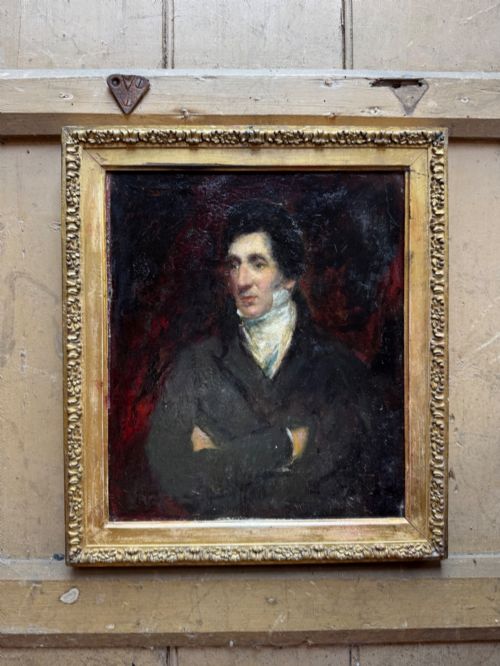
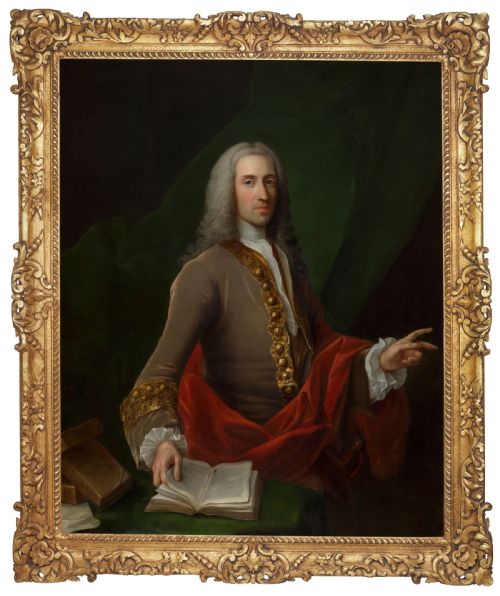
Georgian gentleman artwork captures the likeness of historical figures through oil paintings, watercolours, and silhouettes.
Georgian Gentleman Artwork
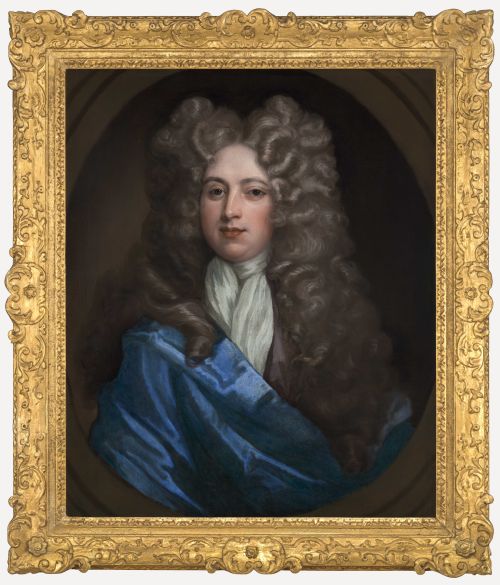
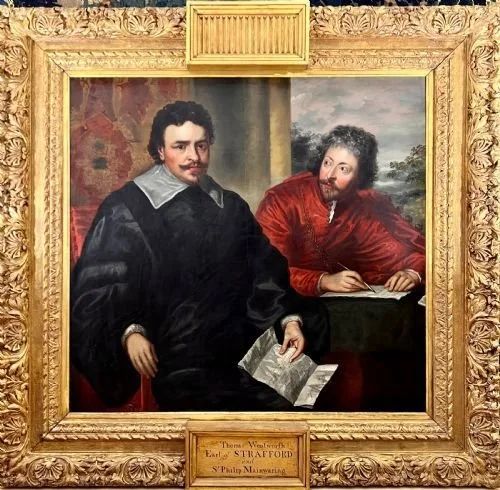
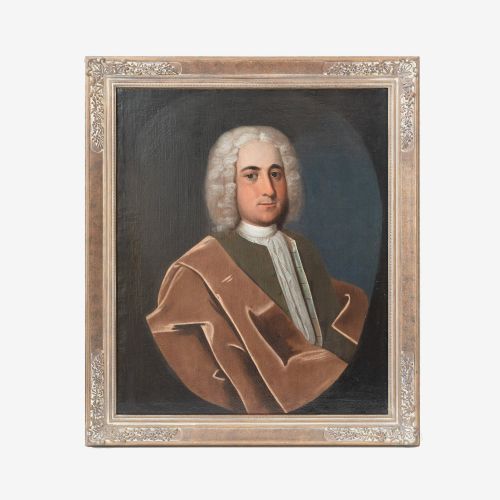
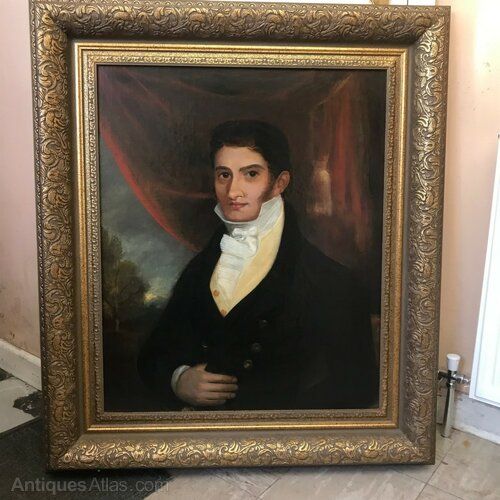
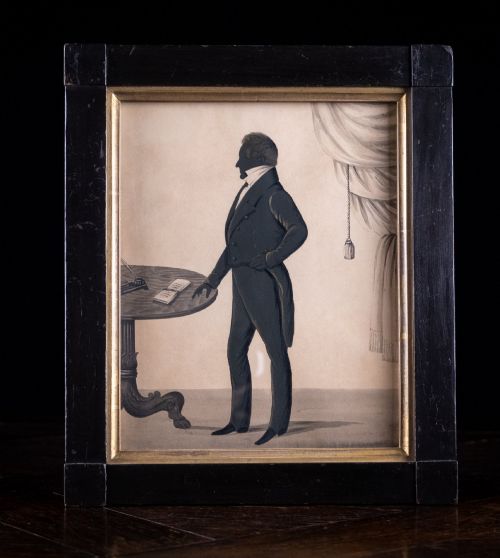
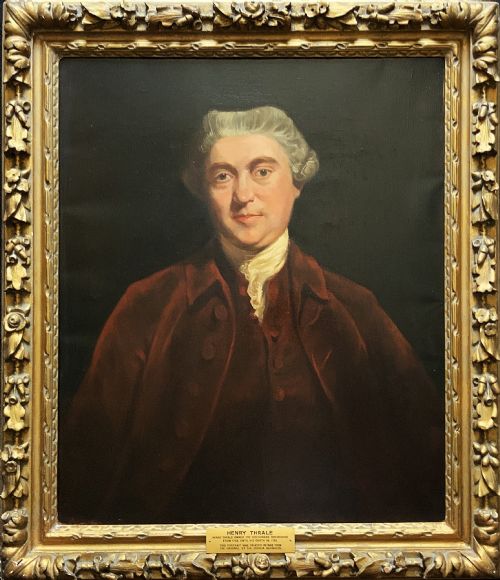
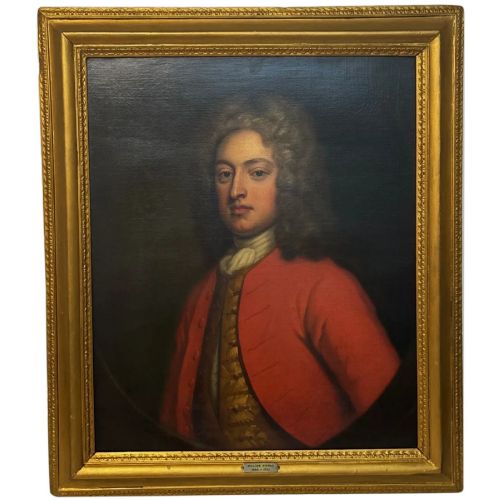
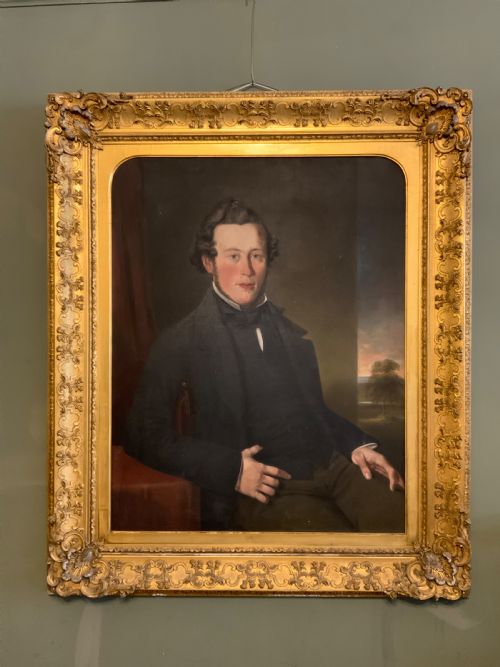
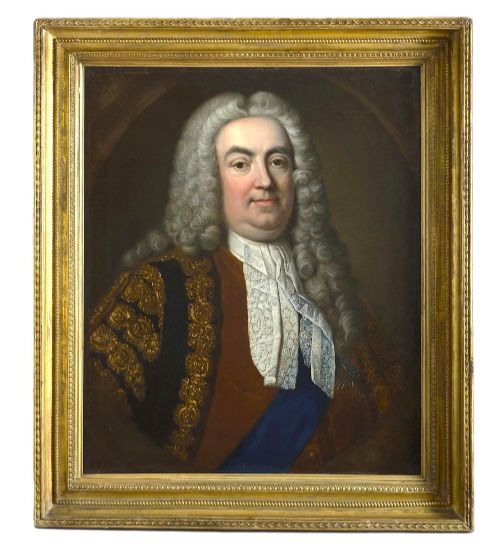
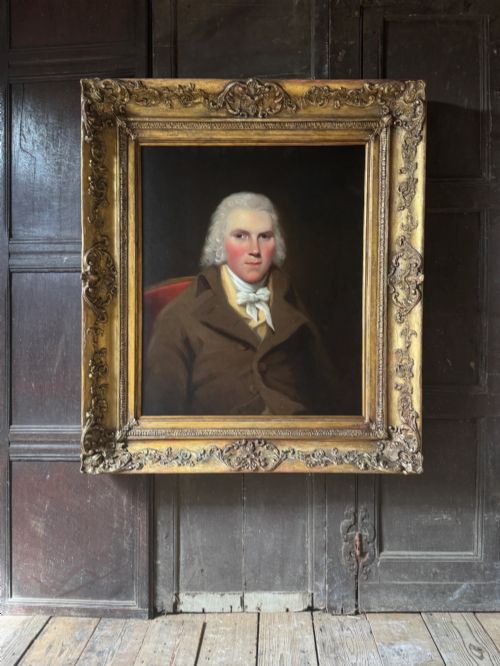
When you search for georgian gentleman artwork, you encounter painted, drawn, and silhouetted portraits spanning the seventeenth, eighteenth, and nineteenth centuries. These works record officers, doctors, politicians, and private individuals through traditional fine art media.
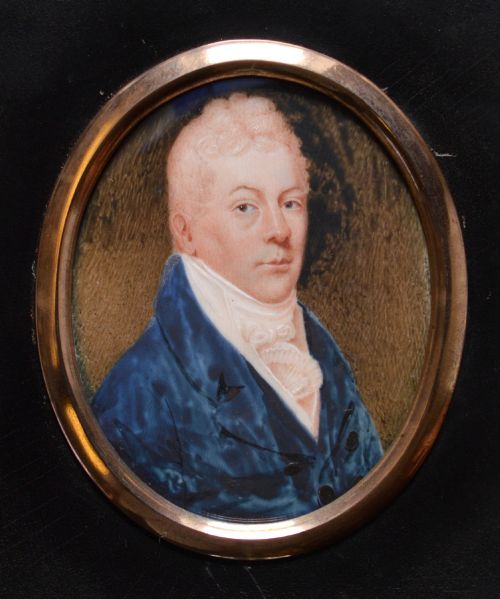
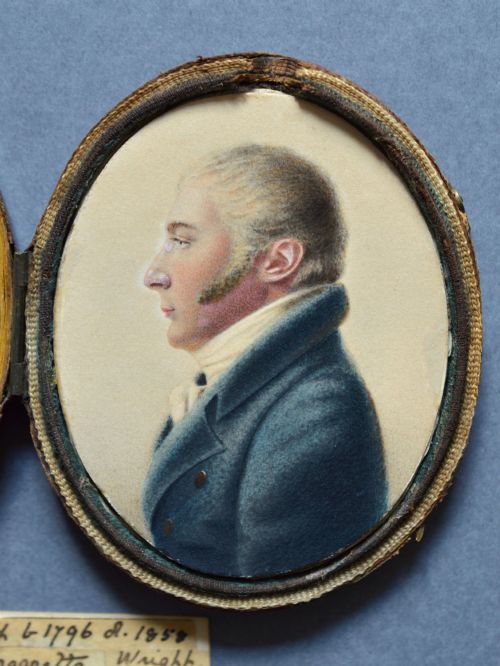
Oil paintings on canvas dominate the selection, often presented within original giltwood frames. You also meet delicate watercolour portraits, graphite drawings, plumbago works, and detailed miniature paintings.
Originating largely from British and Scottish schools, these portraits reflect the distinct sartorial and social conventions of their periods. The subjects frequently appear alongside personal markers such as books, horses, or estate backgrounds.
How They Were Made
Painters applied oil paint directly onto stretched canvas, building rich layers of colour to render fabrics like scarlet jackets and lace jabots. Artists also utilised paper for watercolours, plumbago, and graphite drawings.
Silhouettes emerged through delicate paper cutting and painted highlights, whilst portrait miniatures utilised specialised pigments on small surfaces. Many works are housed in carved and gilded wooden frames set with glass.
The selection includes oil paintings, watercolours, and silhouettes spanning the 17th, 18th, and 19th centuries.
What Varies in Quality
The sophistication of brushwork and anatomical precision separates standard workshop pieces from master portraits. Skilled handling of light brings depth to fabrics and facial expressions, whereas weaker examples lack proportion.
The survival of original materials, such as untouched oil paint and period giltwood frames, influences the integrity of the piece. Attribution to recorded artists also distinguishes certain works within the wider selection.
Jean Baptiste Van Loo·Jeremiah Davison·Charles Jervas·Francis Hayman·George Watson·Michael Dahl·Thomas Hudson·John Taylor·Frederick Buck·John Hamilton Mortimer·John Simmons
The Georgian Gentleman Artwork Glossary
- Oil on Canvas
- A traditional painting medium utilising pigments suspended in drying oils applied to a woven fabric support. This combination allows for rich blending and enduring colour depth.
- Giltwood
- Timber carved and coated with a thin layer of gold leaf. It forms the decorative framing typical of period fine art.
- Plumbago
- A fine drawing executed in graphite, taking its name from the Latin for lead ore. These works show high linear precision on paper.
- Silhouette
- A portrait profile cut from dark paper or painted in solid black. They often include delicate gold or white embellishments.
- Jabot
- A decorative frill or lace trim worn at the collar of a shirt. This detail helps date eighteenth-century male attire.
Georgian Gentleman Artwork: Frequently Asked Questions
What is a portrait miniature?
A portrait miniature is a small-scale painting executed with immense detail, often designed to be carried as a personal keepsake or worn as jewellery.
These compact works capture facial likenesses using fine watercolours or enamel on delicate surfaces.
How do I identify a Regency portrait?
Regency portraits generally feature simpler clothing styles, softer colour palettes, and framing typical of the early nineteenth century.
Subjects often appear in watercolour, graphite, or oil on canvas, reflecting the distinct aesthetic of the period.
What is plumbago artwork?
Plumbago refers to detailed monochrome drawings created using graphite on prepared paper or vellum.
Artists used this technique to achieve photographic precision in portraiture long before the invention of the camera.
How should I hang antique oil paintings?
Antique oil portraits on canvas require stable indoor environments away from direct sunlight and excessive humidity.
Ensure the hanging wall supports the weight of the original wooden frame securely without straining the canvas.