




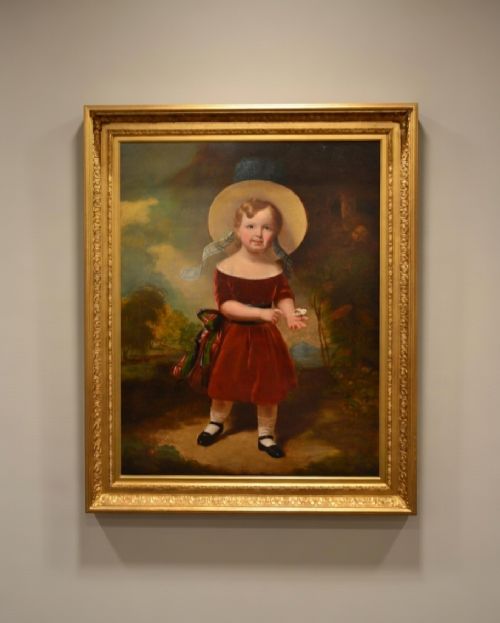


English Regency Portraiture
English regency portraiture captures the distinct character of the early nineteenth century through accomplished oil paintings, watercolours, and pastels.
English Regency Portraiture
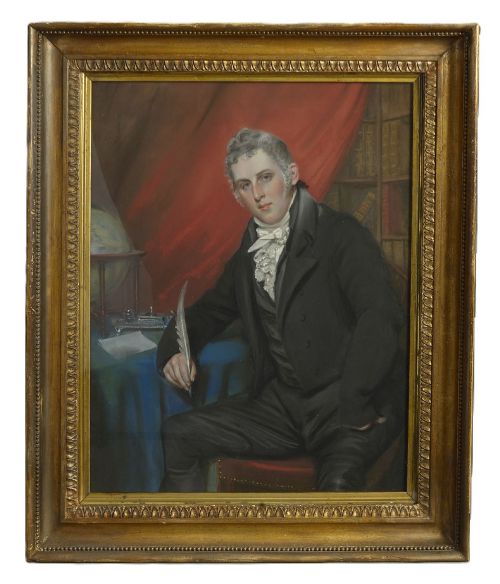
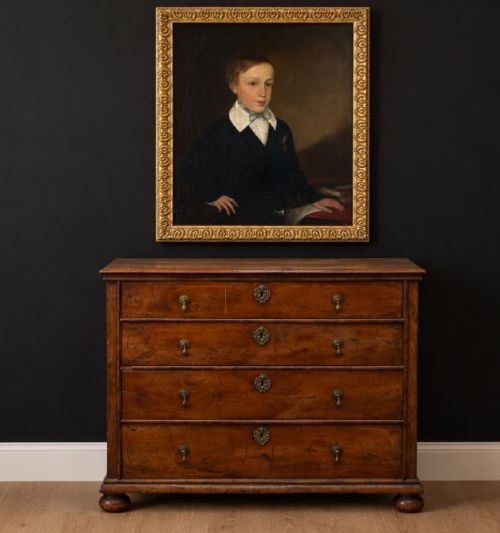
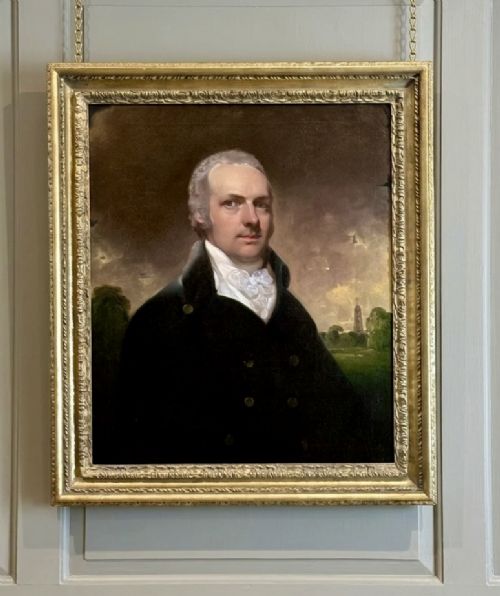
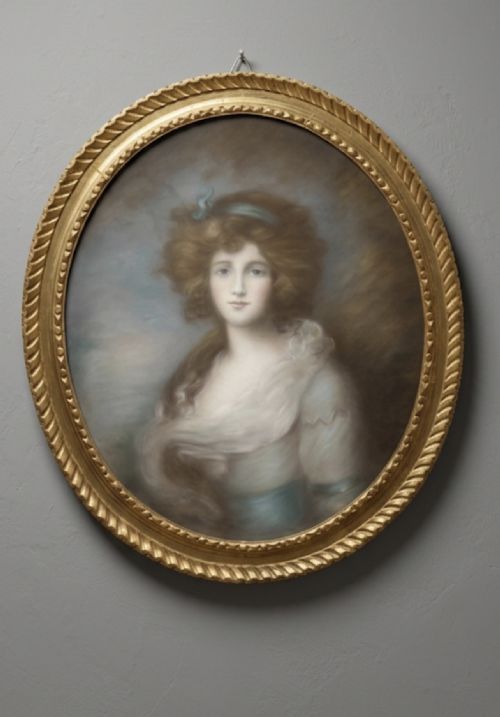
When you search for english regency portraiture, you encounter a selection of works executed during the nineteenth century and the Regency period. These pieces record sitters ranging from young children and ladies in bonnets to notable clergymen.
The objects on this page comprise oil paintings on canvas, watercolours on paper, and pastels. Many pieces connect directly to the English School or follow prominent artists of the era.
Full-length compositions and intimate bust studies appear alongside works created after celebrated painters like Thomas Gainsborough and Sir Thomas Lawrence. Each painting reflects the portraiture conventions of Georgian and Regency society.
How they were made
Makers of english regency portraiture applied oil paint to canvas or used pastel and watercolour on paper to capture their subjects. These fundamental materials define the visual surface of every piece.
Many surviving works are housed within original or period-appropriate giltwood and gilt wood frames. The combination of fine canvas preparation and careful pigment layering characterises the technical execution of the period.
English Regency Portraiture Retail Price Guide 2026
Typical asking prices for english regency portraiture among the pieces listed under this phrase on Sellingantiques today, from the lower quarter to the upper quarter. They describe what is for sale here now, not the wider market.
One young boy captured in these portraits shares the canvas with a remarkably detailed butterfly.
What varies in quality
The distinction between standard works and exceptional examples lies in the finesse of the brushwork and the psychological depth of the sitter. Masterful handling of light and textile textures elevates a composition above standard school output.
Condition and medium preservation also divide the range, as pastel and watercolour require precise handling to survive intact. Signed works or identifiable sitters and artists further distinguish the finer items.
The English Regency Portraiture Glossary
- Oil on Canvas
- Pigment mixed with a drying oil applied to a stretched woven fabric support. This medium allowed artists to achieve rich colour depth and subtle tonal gradations.
- Pastel
- A dry painting medium consisting of powdered pigment and a binder rolled into sticks. It creates a velvety surface texture particularly suited to soft flesh tones.
- Giltwood
- Wood carved and coated with a thin layer of gold leaf or metal powder. Frames made this way provide a reflective border that complements the painting within.
- English School
- A term used to describe artists working within Britain who shared common stylistic influences. It frequently denotes anonymous works that embody national traditions.
English Regency Portraiture: Frequently Asked Questions
What periods do these portraits cover?
The listings span the nineteenth century, specifically focusing on the Regency and Georgian eras. Most pieces date from the early decades of the eighteen hundreds.
This timeframe captures the distinct artistic output produced under English Regency influence before the Victorian period took hold.
What mediums were used for these works?
Artists of this era worked primarily in oil paint on canvas, watercolour on paper, and pastel. Each medium offers a different visual texture.
Oil paintings provide deep colour saturation, while pastels and watercolours present a more delicate and immediate surface.
How should I display a portrait at home?
These works suit traditional interiors, particularly when hung at eye level on neutral walls to highlight the giltwood frames. Proper lighting enhances the fine details of the subject's clothing and expression.
Keep them away from direct sunlight to protect the pigments on canvas and paper from fading over time.
Are all the sitters identified?
Many portraits preserve the names of specific individuals, such as Maria Isabella Boyes or the Reverend John Angell James. Other works depict sitters whose identities are lost to time.
Unnamed subjects are typically catalogued under the English School or noted by their attire and approximate date.