


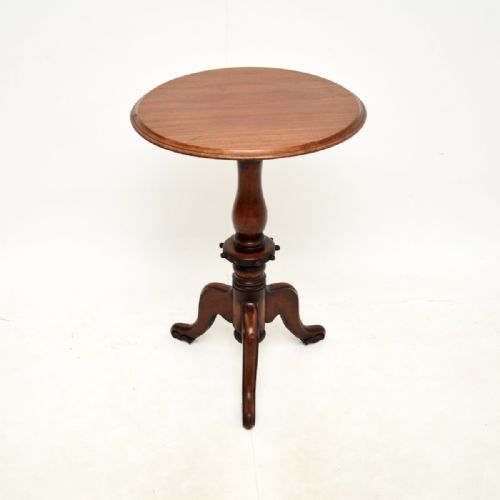


Regency Period Pedestal Stand
A regency period pedestal stand brings structural elegance and fine timber to a room, offering a sturdy yet graceful surface for display.
Regency Period Pedestal Stand
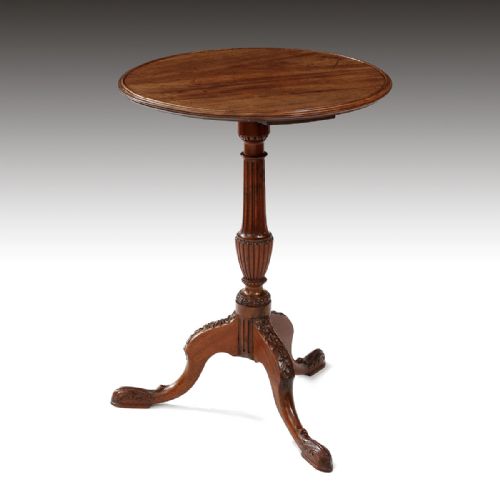
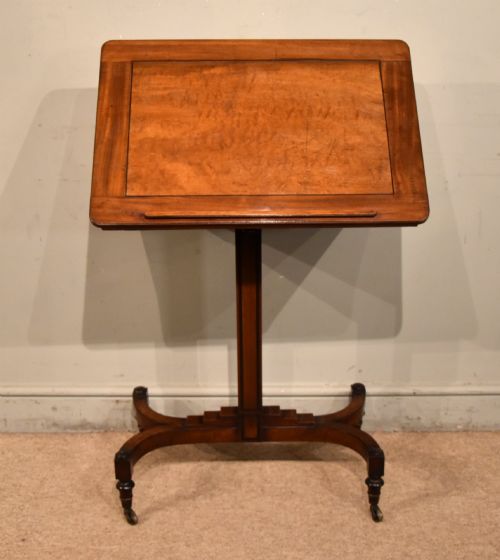
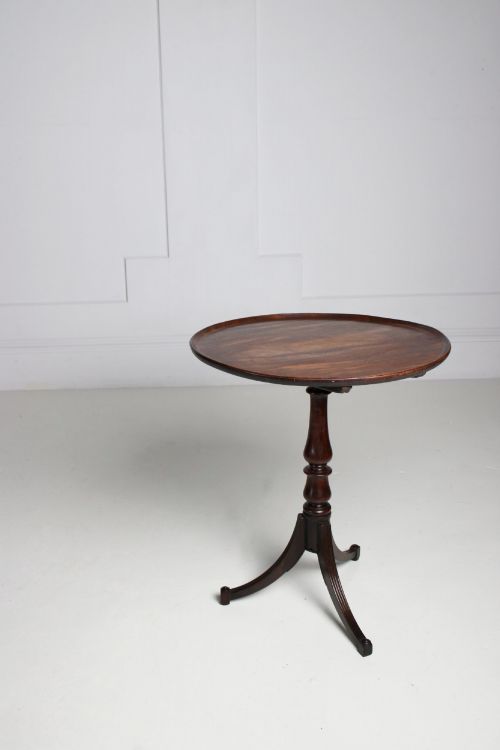
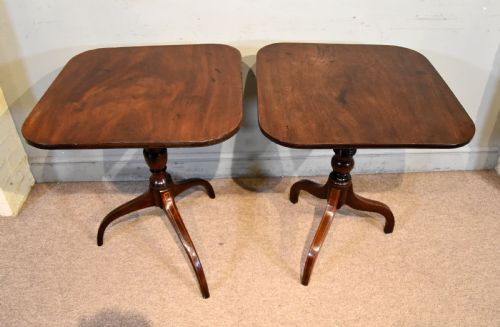
A regency period pedestal stand encompasses various forms such as occasional tables, tripod tables, reading and music stands, wine tables, and sculpture or plant displays. These pieces bridge the late Georgian, Regency, George IV, and William IV eras, capturing the formal neoclassical taste of the early nineteenth century.
The versions most commonly met on this page are mahogany and rosewood tripod tables alongside pedestal cupboards and sculpture stands. They function as versatile furniture that served specific domestic purposes in Regency interiors, from holding books and wine to displaying decorative art.
Makers and designers of the period, including Gillow and Thomas King, influenced the stylistic direction of these supports. Their output displays distinct influences of the Empire taste, combining utility with refined proportions.
How they were made
Makers utilised solid and veneered timbers, predominantly selecting rich mahogany and figured rosewood for the main bodies and tops. These woods were frequently contrasted with boxwood stringing and brass inlay to create geometric and classical decorative motifs.
Construction techniques relied on sturdy central pedestals supported by tripod bases, often featuring turned columns or carved pillars. Specialised forms incorporate functional mechanisms like tilt tops, adjustable reading surfaces, and inset marble slabs.
Listings feature mahogany and rosewood as the primary timber choices, frequently enhanced with marble tops and brass inlay.
What varies in quality
The distinction between standard and finer examples rests upon the selection of timber figure and the crispness of carved or inlaid details. Highly figured rosewood and well-matched mahogany grain elevate the visual weight of a pedestal stand.
Structural refinement also dictates quality, seen in the proportional balance of the tripod legs and the stability of the central column. Pieces associated with known workshops or specific design manuals display superior joinery and execution.
Gillow·Thomas King
The Regency Period Pedestal Stand Glossary
- Tripod base
- A three-legged support structure commonly found beneath the central pillar of tables and stands from this era. This configuration provides stability on uneven floors.
- Tilt top
- A hinged tabletop mechanism that allows the surface to fold vertically when not in use. This clever design saved valuable floor space in nineteenth-century interiors.
- Boxwood stringing
- Thin inlaid lines of light-coloured wood used to outline panels and tabletops. It provides a sharp linear contrast against darker timbers like mahogany.
- Jardiniere stand
- A decorative pedestal or table designed specifically to hold plants or floral arrangements. These pieces often feature protective liners or marble inserts.
- George IV period
- The stylistic and historical phase spanning the reign from eighteen-twenty to eighteen-thirty. Furniture from this era often exhibits heavier proportions and rich rosewood veneers.
Regency Period Pedestal Stand: Frequently Asked Questions
What is a regency period pedestal stand used for?
These versatile stands served numerous domestic functions in nineteenth-century homes, acting as reading desks, wine tables, or sculpture plinths. They were designed to be easily moved and positioned beside seating or against walls.
Today, owners utilise them similarly as lamp tables, plant stands, or occasional surfaces for display in reception rooms and hallways.
How do I identify a George IV table?
George IV tables typically date from the eighteen-twenties and often feature figured rosewood, carved details, and robust central pedestals. They frequently incorporate brass inlay or inset marble tops reflecting the Empire taste.
Comparing the timber selection and decorative motifs helps distinguish them from earlier George III or later Victorian productions.
Are tilt top tables stable?
Tilt top tables rely on a specialised catch mechanism beneath the surface that locks the top horizontally onto the pedestal. When properly maintained, this joint provides a firm and reliable surface for everyday use.
Collectors appreciate the dual functionality of this mechanism, which allowed Regency households to store tables flat against perimeter walls.
What woods were used in Regency stands?
Mahogany and rosewood dominate the material palette of these stands, chosen for their rich colour and capacity to take a fine polish. Secondary woods and boxwood were often employed for contrast and structural framing.
Marble also appears as an inset top material, particularly on pieces intended for sculpture display or plant stands.