




Regency Mahogany Lectern
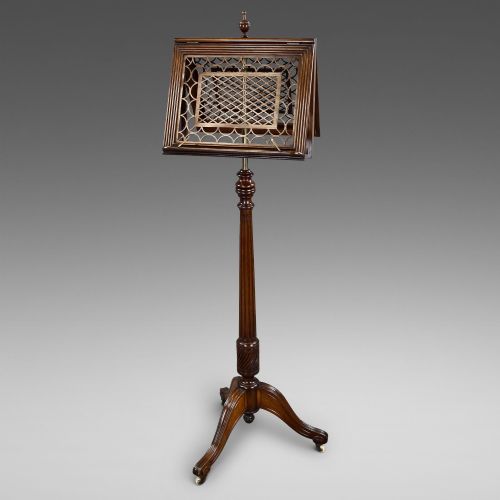
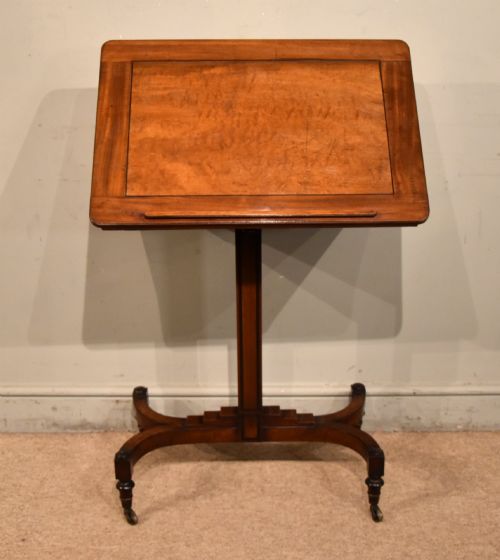
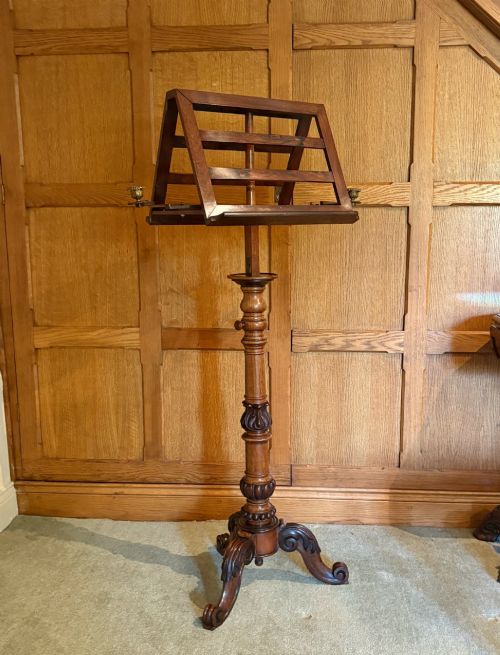
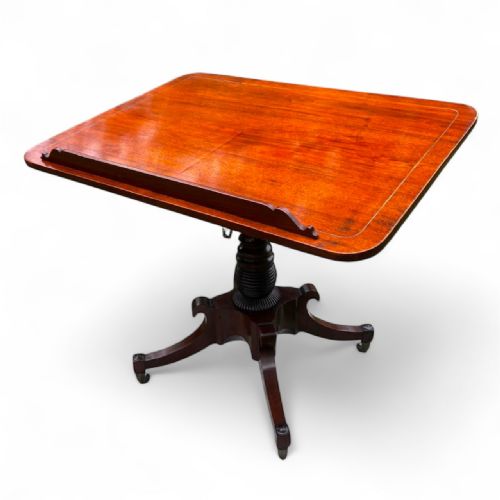
These regency mahogany lectern pieces are adjustable reading and music stands designed for holding books or sheets, offering practical elegance for the study or drawing room.
Regency Mahogany Lectern
A regency mahogany lectern typically manifests as a music stand, reading table, or whatnot, reflecting the versatile library furniture of the period. Buyers searching for a regency mahogany lectern will encounter pieces ranging from adjustable duet stands to table-top reading desks.
The selection on this page draws heavily from nineteenth-century examples, spanning the Georgian, Regency, William IV, and Victorian eras. These items serve both functional and decorative purposes, often featuring adjustable mechanisms for convenience.
Distinctions in quality
Quality in these pieces depends on the sophistication of the adjustable mechanism and the precision of the timber joinery. Finer examples display intricate satinwood inlay or brass detailing rather than plain surfaces.
The choice of solid mahogany over simpler construction timbers separates standard items from superior pieces. Structural integrity in the reading rests and support columns also indicates the level of craftsmanship involved.
Listings feature mahogany combined with brass and inlaid timber across various forms including music stands, whatnot shelves, and reading tables.
Gillow
The Regency Mahogany Lectern Glossary
- Lectern
- A stand with a slanted top designed to hold a book or music sheets for a standing reader.
- Whatnot
- An open piece of tiered shelving used for displaying or storing books and small objects.
- Duet stand
- A music or reading stand wide enough to accommodate two people or multiple open scores.
- Campaign stand
- Portable furniture designed for travel, typically featuring folding or collapsible elements.
- Lyre-shaped
- A decorative motif resembling an ancient stringed instrument, often used in the central support of music stands.
Regency Mahogany Lectern: Frequently Asked Questions
What is a regency mahogany lectern used for?
These pieces were originally designed to hold books, documents, or music sheets at a comfortable reading angle. They provided a stable surface for study or musical performance in libraries and drawing rooms.
Today, they function similarly in domestic spaces while serving as decorative period furniture that showcases nineteenth-century woodworking.
How do I adjust the height or angle?
Many examples feature mechanical ratchets, screws, or sliding brass fittings designed to alter the slant of the reading surface or the height of the column. These components allow the user to customise the positioning for specific tasks.
Care should be taken when operating nineteenth-century mechanisms to preserve the original brass and timber components from unnecessary strain.
Are these stands suitable for daily reading?
The sturdy mahogany construction and adjustable rests make them practical for holding books or tablets during regular use. Their solid build supports moderate weight without compromising stability.
Placing them in stable environments away from direct heat sources helps protect the polished mahogany surfaces and inlaid timber details.
What distinguishes a duet stand from a standard stand?
A duet stand offers a wider reading surface or double-sided configuration intended for sharing music or texts between two people. They often incorporate more complex support structures and broader bases.
Standard reading stands typically feature a single, narrower rest designed for individual use.