



Regency Period Glazed Cabinet
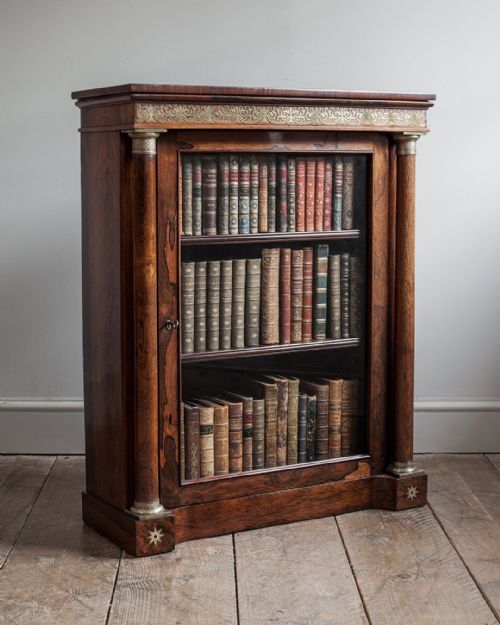
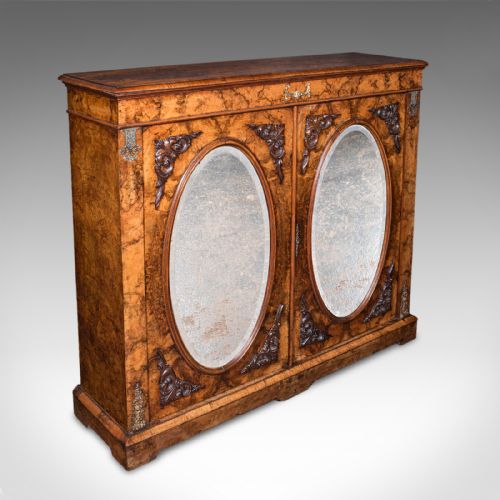
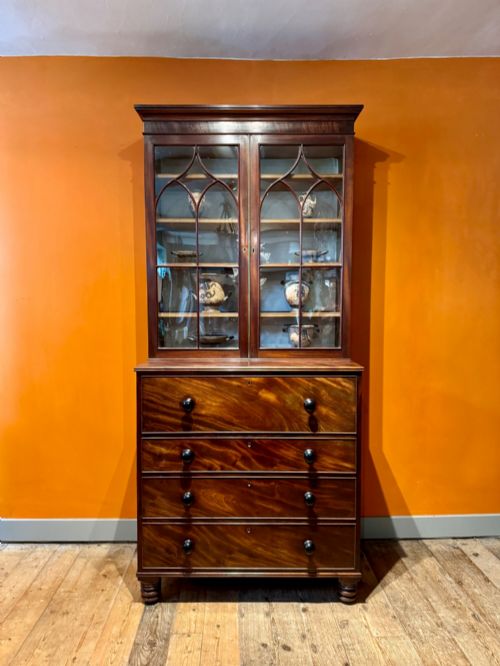
These regency period glazed cabinet examples combine figured timbers and glass to house libraries and display objects.
Regency Period Glazed Cabinet
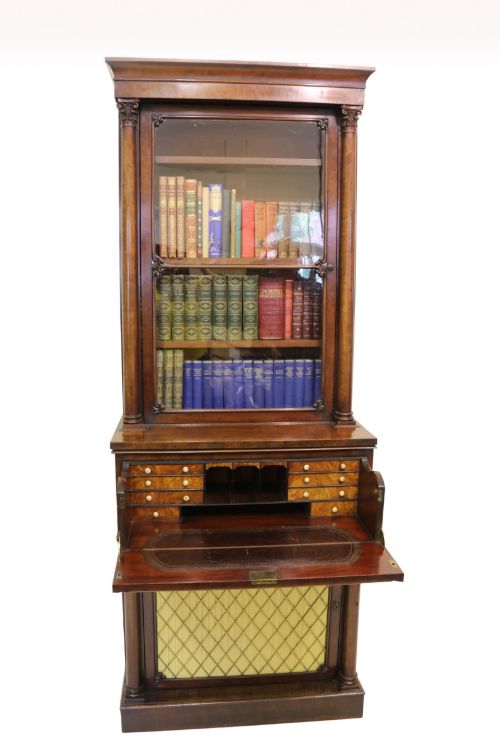
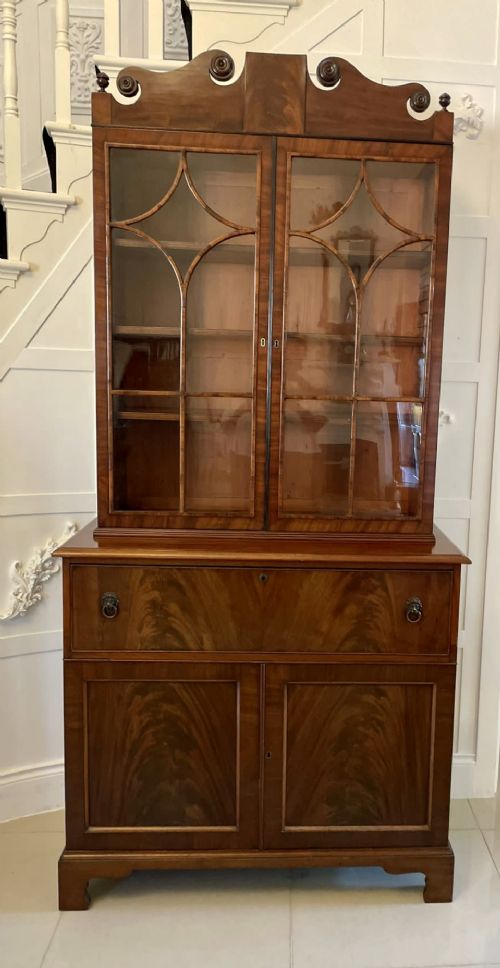
A regency period glazed cabinet brings together tall library bookcases, breakfront bookcases, secretaire bookcases, and lower side cabinets spanning the Regency, George III, George IV, and William IV styles. These pieces originate from the nineteenth century, including specific dates around eighteen hundred, eighteen ten, eighteen thirty, and eighteen sixty.
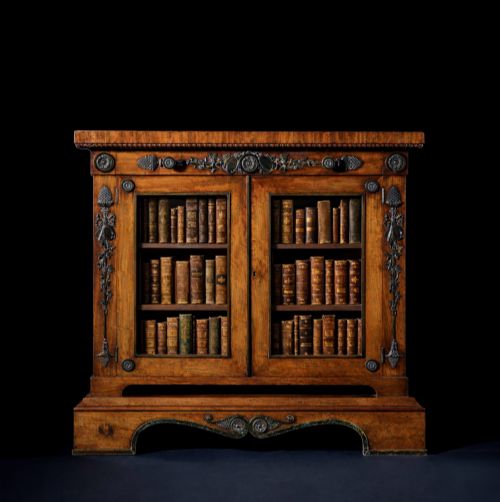
You are most likely to encounter tall mahogany or rosewood bookcases alongside smaller side cabinets fitted with glass doors. The selection includes secretaire variants where a fitted writing drawer pulls down beneath the upper glazing.
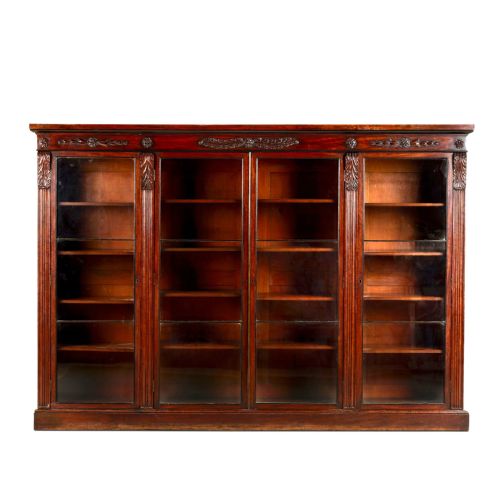
Formations range from compact dwarf cabinets to expansive ten foot breakfront library pieces with multiple doors. Makers and designers such as Gillows of Lancaster and Thomas Hope influence the stylistic vocabulary found across these listings.
What varies in quality
The selection of timber grain sets the standard, where highly figured flame mahogany or matched rosewood veneer elevates a piece above plain stock. Timber choice extends to interior secondary woods and the precision of the matches across large breakfront doors.
Metalwork execution divides the output, separating simple brass inlay from chased bronze mounts and fire gilded ormolu. Structural ambition also dictates value, seen in unusual forms, integrated secretaire drawers, and attribution to documented workshops like Gillows.
Secret drawers lurk inside the drop down desks, ready to guard confidential love letters or misplaced biscuit rations.
Gillows of Lancaster·Thomas Hope
The Regency Period Glazed Cabinet Glossary
- Secretaire bookcase
- A tall cabinet incorporating a pull down writing drawer fitted with small compartments and pigeonholes beneath the glazed upper doors.
- Breakfront
- A cabinet design where the central section projects forward from the flanking wings, creating a layered facade.
- Ormolu
- Gilded bronze applied as decorative mounts and trims, providing metallic contrast against dark woods such as rosewood and mahogany.
- Chiffonier
- A low side cabinet or sideboard variation, often equipped with enclosed lower cupboards and sometimes an upper shelf or gallery.
- Dwarf bookcase
- A low standing bookcase designed to sit below picture rail height, keeping the upper wall space clear.
Regency Period Glazed Cabinet: Frequently Asked Questions
What is a regency period glazed cabinet?
These pieces are nineteenth century storage furniture featuring glazed upper doors or glass fronted panels designed to display books and decorative objects.
They span taller library bookcases and compact side cabinets produced during the Regency, George III, George IV, and William IV eras.
How were they used historically?
Wealthy households utilised these cabinets in libraries, morning rooms, and parlours to protect valuable leather bound volumes from dust.
Secretaire variants provided a dual purpose by offering a fold down writing surface alongside upper display shelving.
Where should I place one?
These cabinets suit dining rooms, studies, and principal reception rooms where wall space accommodates their height and depth.
Side cabinets function well beneath artwork, while tall breakfront bookcases require a clear primary wall to anchor the room.
How do I identify the period?
Stylistic markers include classical proportions, brass inlay, ormolu mounts, and specific wood choices like rosewood and flame mahogany.
Construction traits align with nineteenth century cabinet making practices, sometimes accompanied by workshop signatures or distinctive proportions.