



Regency Period Artwork
Regency period artwork captures the elegance of the early nineteenth century through portraiture, delicate watercolours, and detailed engravings.
Regency Period Artwork
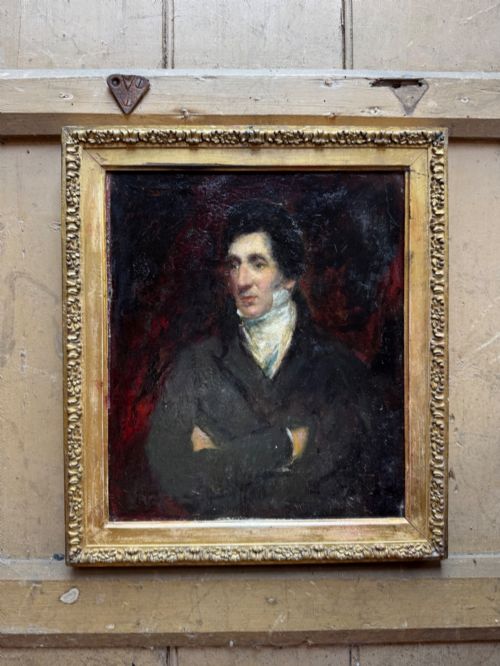
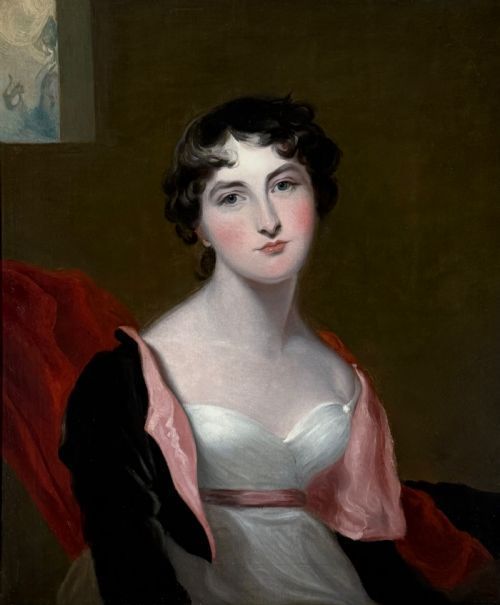
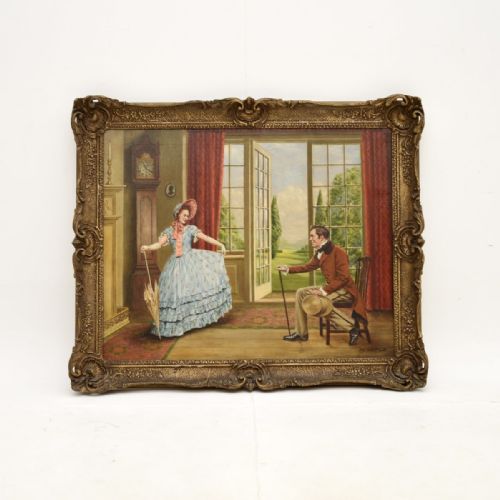
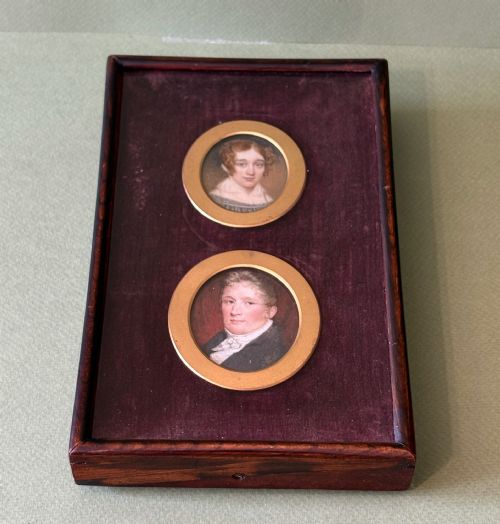
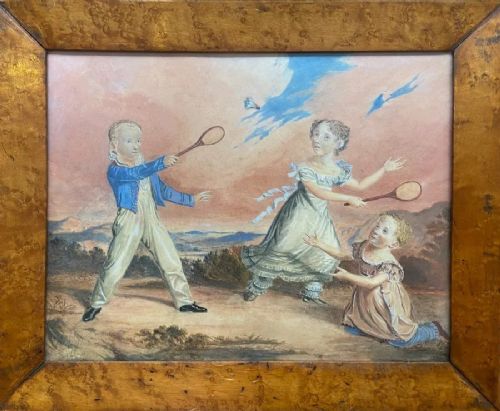
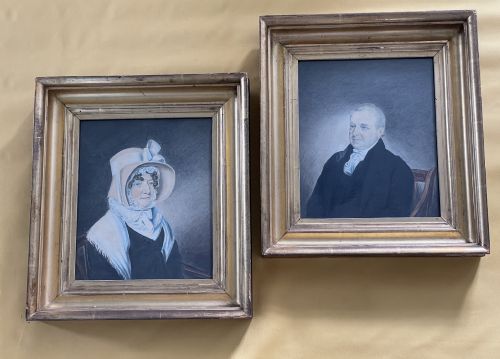
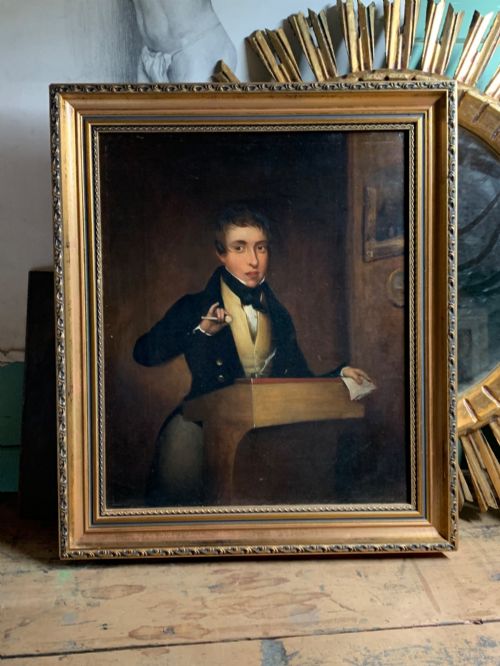
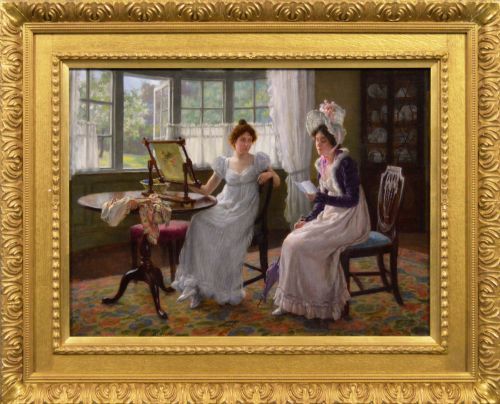
When you search for regency period artwork, you encounter a curated selection of paintings, watercolours, miniatures, and prints that reflect the aesthetic tastes of the early nineteenth century and the broader Georgian era. The pieces available here lean heavily toward intimate portrait miniatures, framed engravings, and oil paintings depicting figures, domestic scenes, and coastal landscapes.
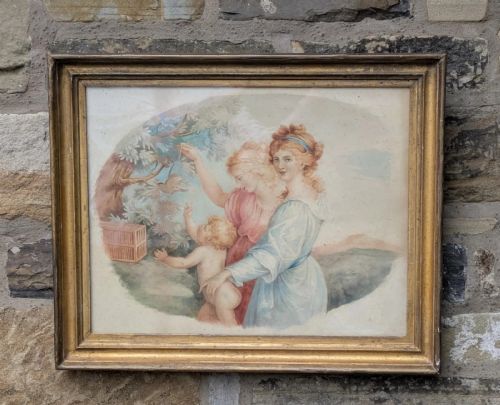
Buyers frequently find works created in the strict Regency and Grand Regency styles alongside related British genre paintings and pieces from the Norwich School. These items range from hand-tinted print sets and silhouettes to substantial oil paintings on canvas and wood panel.
The assortment captures both professional studio output and charming naive works, offering a varied cross-section of visual culture from the period spanning the late eighteenth to the mid-nineteenth century.
How they were made
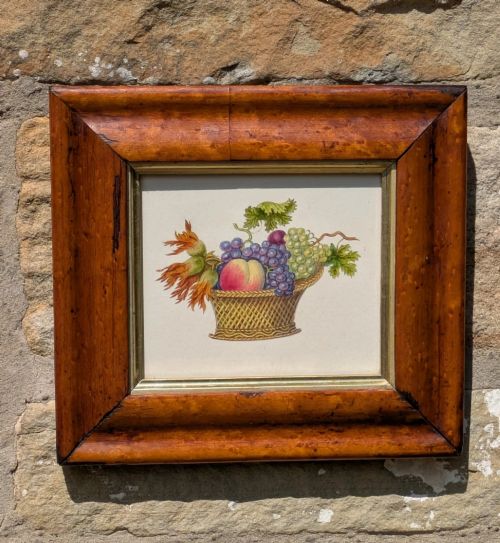
Makers utilised traditional supports such as canvas, paper, wood panels, and glass, applying media including oil paint, watercolour, pastel, and enamel to achieve their desired visual effects. Oil paintings were executed with layered pigments on prepared canvas or timber, while watercolours and hand-coloured engravings relied on fine paper stocks.
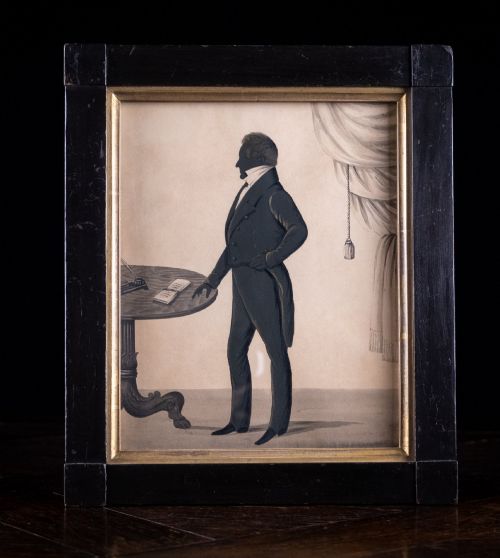
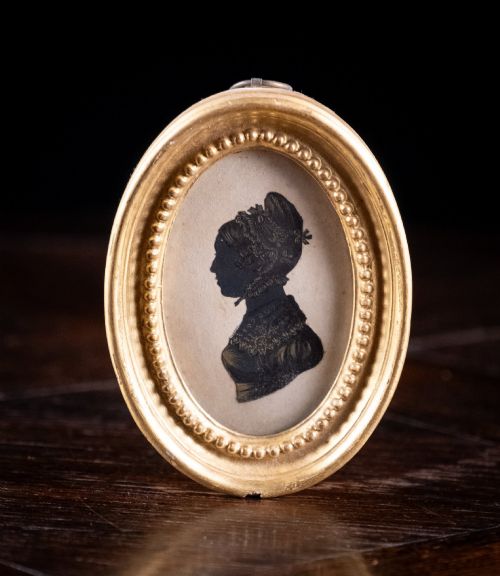
Framing played an integral role in the presentation of these pieces, with giltwood, gilt wood, and Hogarth frames providing both protection and decorative contrast. Silhouettes were meticulously cut, gilded, and painted, often mounted behind glass to preserve the delicate metallic highlights.
Regency Period Artwork Retail Price Guide 2026
Typical asking prices for regency period artwork among the pieces listed under this phrase on Sellingantiques today, from the lower quarter to the upper quarter. They describe what is for sale here now, not the wider market.
Listings feature works from the 18th Century through to the Victorian era, executed in oil, watercolour, and engraved paper.
What varies in quality
The distinction between standard examples and top-tier pieces often rests on the precision of execution, the expressiveness of the subject, and the attribution to a known artist or school. Works originating from recognised studio traditions or bearing distinct signatures demonstrate a superior handling of proportion, light, and detail.
Condition and originality also dictate the standing of a piece within the range. Intact original frames, well-preserved pigments without extensive overpainting, and clear historical provenance elevate the standing of an artwork significantly.
Sir Thomas Lawrence·Alfred Lyndon Grace·George Kilburne·George Romney·Charles Haigh Wood·John Augustus Atkinson·John Raphael Smith·Thomas Woolnoth·Rolinda Sharples·Walter Dendy Sadler·H. Singleton·Henry Corbould
The Regency Period Artwork Glossary
- Regency
- A stylistic period spanning the early nineteenth century characterised by neoclassical influences, refined elegance, and a revival of classical motifs. It draws inspiration from ancient Greek and Roman art.
- Genre painting
- A style of art depicting scenes from everyday life, ordinary people, and domestic interiors rather than grand historical or mythological subjects. These works offer a window into the social habits of the past.
- Silhouette
- A portrait profile cut from black paper or painted onto card, plaster, or glass, often enhanced with gold leaf highlights. This form gained immense popularity before the widespread adoption of photography.
- Giltwood
- Wood that has been coated with a thin layer of gold leaf or gold paint, frequently used for ornate picture frames during the period. It provides a warm, reflective border that complements oil paintings and watercolours.
Regency Period Artwork: Frequently Asked Questions
How were portrait miniatures displayed?
Portrait miniatures were typically housed in small, protective frames or cases designed for intimate viewing on a table or hanging on a wall.
Their compact size allowed owners to keep likenesses of family members close at hand or carry them during travel.
What is a silhouette portrait?
A silhouette is a profile portrait cut from dark paper or painted directly onto card, wood, or glass, often enhanced with delicate gilding.
During the early nineteenth century, these profiles served as an accessible and popular alternative to painted miniatures.
How do I care for antique watercolours?
Antique watercolours require protection from direct sunlight and high humidity to prevent the paper from yellowing and the pigments from fading.
Framing them behind UV-filtering glass helps preserve the delicate colours for future generations to enjoy.