



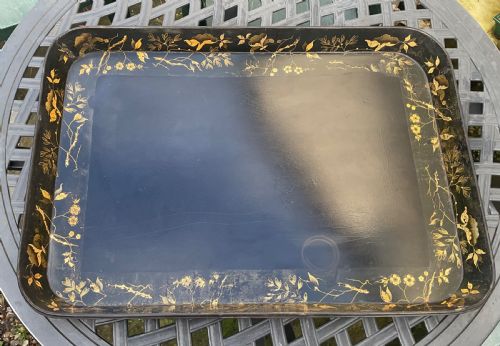

Regency Papier Mache
Regency papier mache items bring domestic utility and decorative polish together through moulded pulp, lacquer and gilt artifice.
Regency Papier Mache
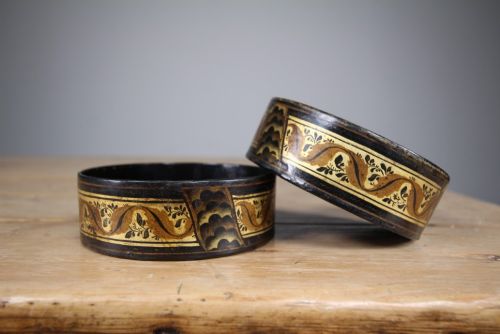
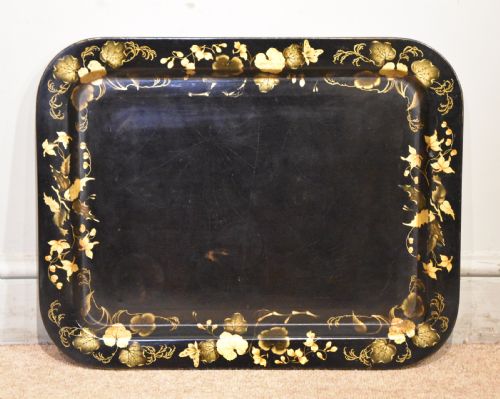
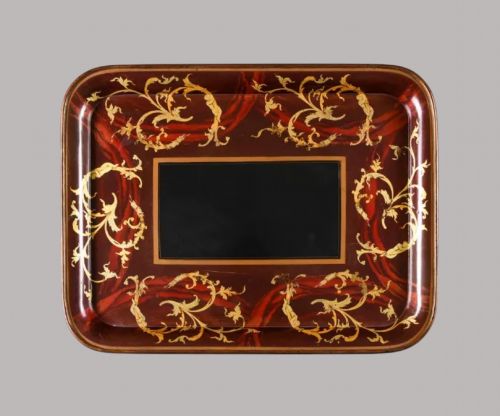
When searching for regency papier mache, buyers encounter a specific range of household items created primarily during the Georgian and Regency periods. The selection focuses heavily on serving trays, decorative trays, and wine coasters designed for formal dining and drawing room display.
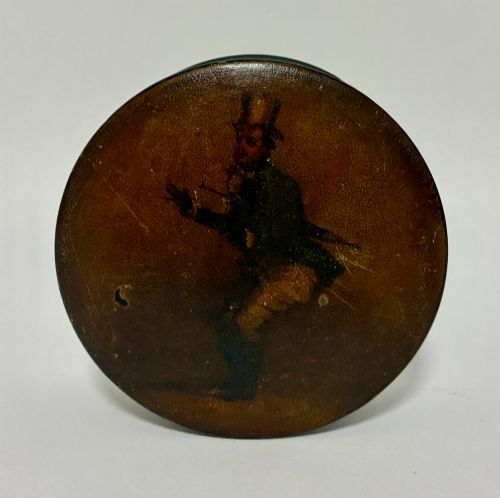
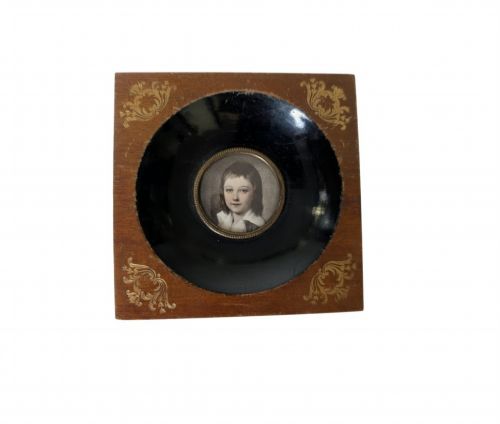
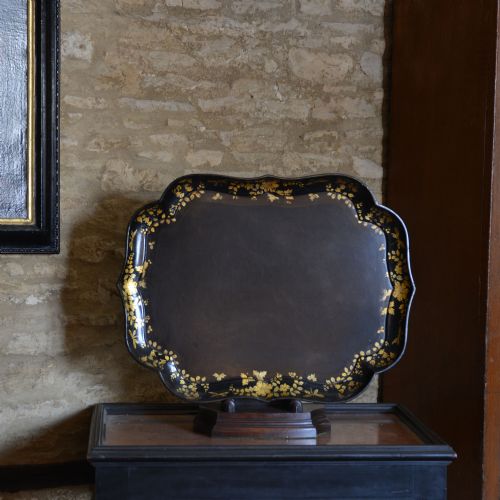
Beyond tableware, the evidence shows smaller personal objects such as pocket snuff boxes, letter stands, and occasional tables often mounted on later stands. Trays frequently appear on folding bamboo or wooden bases, transforming portable serving pieces into permanent side furniture.
English workshops dominate the record, alongside continental pieces notably associated with German makers. The surviving forms reflect a period of high domestic refinement where durable moulded paper substituted for heavier wood or metal.
How they were made
Production relied on pulping paper mixed with glue and resin, pressed into heavy iron moulds to create a remarkably strong, lightweight foundation. Makers then cured the dried blanks in stoves before applying multiple coats of dark lacquer to achieve a smooth impervious base.
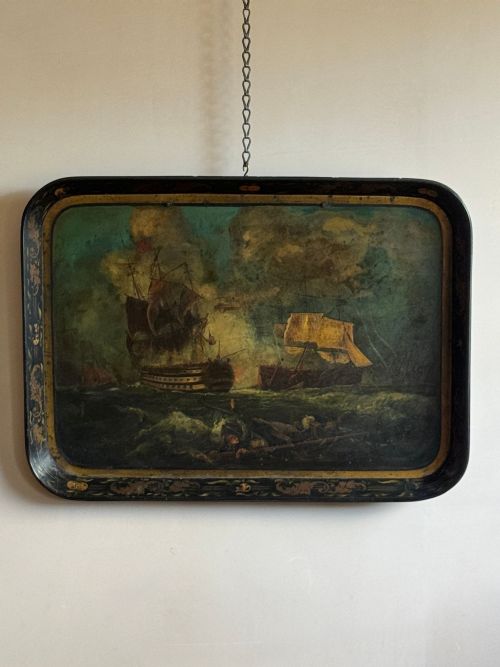
Decoration required meticulous hand painting, often incorporating gold leaf, brass details, and glass accents. Artisans rendered elaborate Chinoiserie scenes, floral borders, and classical motifs directly onto the lacquered surfaces before sealing the artwork under clear varnish.
Listings feature items spanning the Georgian, Regency, and Victorian eras, alongside 1920 revival pieces.
What varies in quality
Quality rests principally on the crispness of the moulded form and the depth of the layered lacquer finish. Superior examples maintain structural integrity without warping, showing smooth surfaces that support complex pictorial schemes without bubbling or crazing.
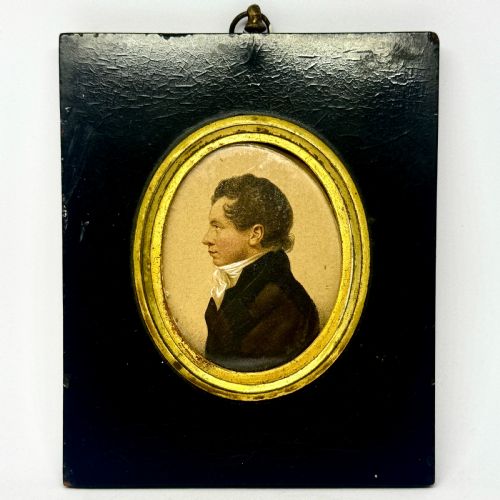
The sophistication of the hand-painted ornament dictates the upper tier of the range. Master workshops employed skilled miniaturists to execute detailed gilding and figurative subjects, whereas lesser items rely on repetitive stencilled motifs.
Jennens and Bettridge·Henry Clay·Stobwasser
The Regency Papier Mache Glossary
- Japanned
- European furniture and objects finished with imitation East Asian lacquers. This technique involved successive coats of varnish heat-cured and polished to a high gloss.
- Chinoiserie
- European artistic style reflecting Chinese motifs and decorative landscapes. Artisans rendered whimsical pagodas, figures, and exotic flora in gold and colour upon dark grounds.
- Toleware
- Metalware painted and lacquered to resemble papier-mâché or oriental lacquer. These items frequently share the same decorative vocabulary as moulded paper goods.
- Coaster
- A small tray or shallow dish designed to hold wine bottles and decanters on the dining table. They protected polished mahogany surfaces from moisture and rings.
Regency Papier Mache: Frequently Asked Questions
How do I clean a regency papier mache tray?
Maintenance requires only a soft, dry cloth to remove dust from the lacquered and gilded surfaces. Introducing water or modern chemical cleaners risks damaging the historic varnish and delicate gold leaf decoration.
Keeping pieces away from direct sunlight and damp environments preserves the structural integrity of the paper pulp base. Gentle handling ensures the original painted finish remains stable for years to come.
Were papier mache tables made originally as stands?
Most tables began life as portable serving trays resting on dining tables or sideboards. Later generations frequently mounted these large trays onto custom folding stands to create occasional furniture.
Finding a tray on an integrated or later stand reflects a Victorian adaptation of Regency serving ware into permanent display tables. Both original configurations and subsequent conversions appear commonly in the historic record.
How do I distinguish Stobwasser boxes from English pieces?
German manufacturer Stobwasser specialised in small personal items like snuff boxes, often featuring distinct portrait miniatures or concealed erotic scenes beneath sliding lids. Their works frequently carry specific workshop stamps or characteristic hand-written signatures on the interior.
English equivalents tend to focus on domestic tea and dining accessories with Chinoiserie or floral gilt borders. Examining the interior lacquer and framing style helps clarify the geographic origin.
Can I use wine coasters for daily dining?
Wine coasters were engineered for formal dining rituals, designed to cradle heavy glass decanters and bottles as servants passed them around the table. Their sturdy construction of moulded paper and lacquer handles everyday use well.
Using them today for their intended purpose adds authentic period charm to modern dinner parties. Owners simply need to avoid exposing the wooden and paper bases to standing liquids.