


Victorian Stationery Rack
A Victorian stationery rack organises letters and papers with period craftsmanship, bringing period order to any desktop or study.
Victorian Stationery Rack
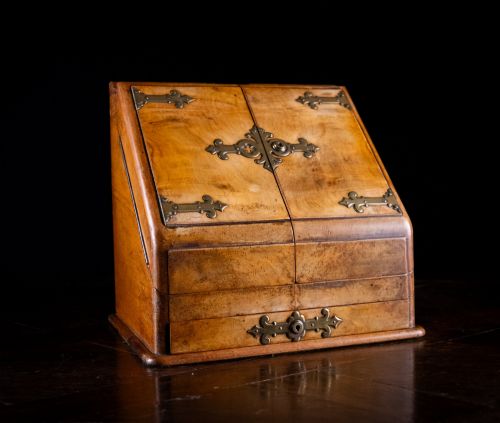
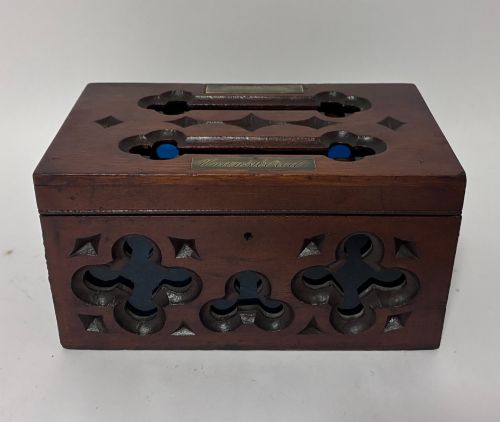
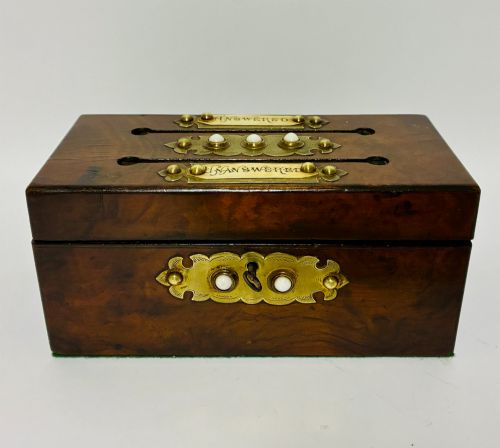
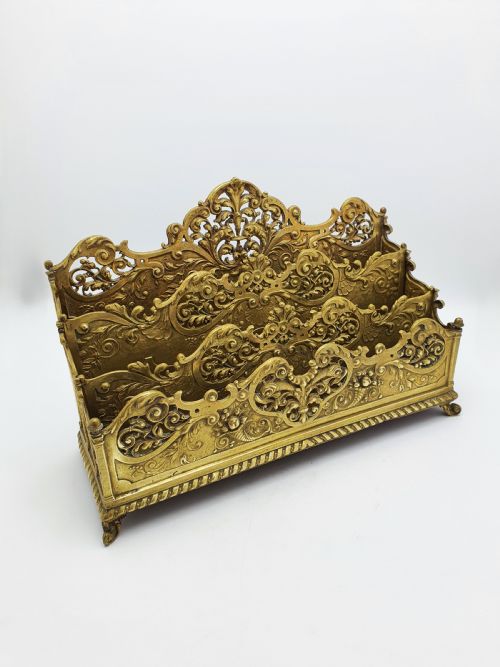
A victorian stationery rack serves to organise correspondence, letters and documents upon a desk or wall. The selection ranges from open letter racks and desk tidies to enclosed correspondence boxes and cabinets.
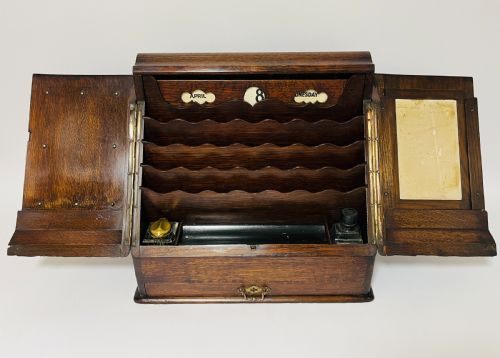
The most common forms encountered are oak and mahogany desk boxes alongside brass letter holders. Pieces span the Victorian period and extend into Edwardian and later nineteenth century variations.
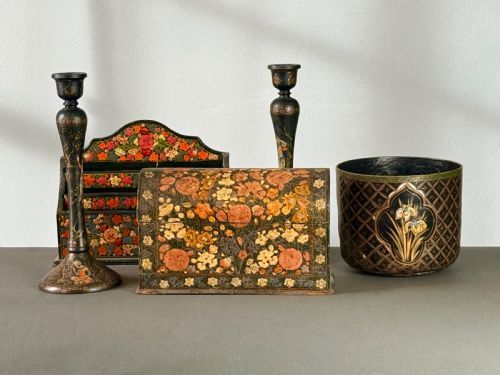
Examples appear in diverse regional and stylistic guises, including Gothic Revival, Arts and Crafts, and Chinoiserie. Buyers select these items for daily desktop utility and period decorative appeal.
Materials and Construction
Cabinet makers utilised dense hardwoods such as oak, walnut, mahogany and rosewood for structural boxes and cabinets. Brass forms the primary metal component for mounts, hinges, and cast wall pockets.
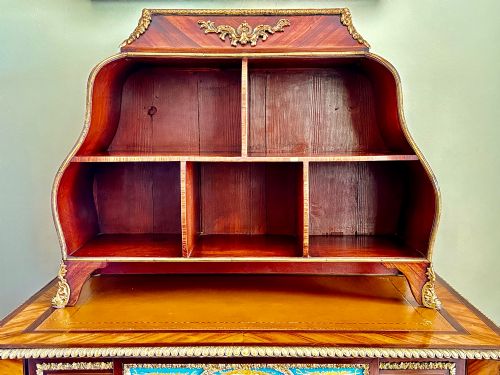
Papier-mâché and lacquer feature in lighter decorative items, while ormolu and glass appear on select desk sets. Joinery methods include dovetailed box construction and carved wooden panels.
Listings feature oak, mahogany, walnut, rosewood, brass and papier-mâché across Victorian, Edwardian and Georgian periods.
Distinctions in Execution
The degree of hand carving and the selection of timber grain dictate the standing of a piece. Fine cabinets display matched veneers, inlaid details and heavy brass mountings.
Internal arrangement complexity, such as secret drawers, fitted ink bottles and tiered compartments, separates standard boxes from high quality library accessories.
F Waller·William Tonks and Sons
The Victorian Stationery Rack Glossary
- Correspondence box
- An enclosed wooden box designed to hold letters, often featuring internal dividers and a sloping lid. These protect private papers from dust and light.
- Cartonnier
- A desktop cabinet with multiple horizontal compartments or drawers for sorting papers and files. Originating in France, they often feature decorative mounts.
- Standish
- A portable tray or stand fitted with inkwells, pen holders and a stationery slot. They were essential desk accessories in nineteenth century studies.
- Papier-mâché
- A composite material made from paper pulp mixed with glue and resin, pressed and painted. It yields smooth, durable surfaces suitable for japanning and inlay.
- Ormolu
- Gilt bronze mounts applied to furniture and decorative boxes. This technique adds metallic highlights and ornamental detail to wood surfaces.
Victorian Stationery Rack: Frequently Asked Questions
What is the difference between a letter rack and a correspondence box?
A letter rack is typically open, holding letters upright between wooden or brass divisions for immediate viewing and access.
A correspondence box is enclosed with a lid or door, protecting private documents and writing materials out of sight.
Were these racks meant for desks or walls?
Both formats exist within the period output. Desktop models sit flat on writing surfaces alongside inkwells and desk tidies.
Wall hanging versions feature integrated brackets or hanging loops to save desk space in offices and hallways.
How do I date an oak stationery cabinet?
Dating relies on stylistic clues, hardware construction, and timber choice. Gothic Revival and heavy brass mounts often point to the mid-nineteenth century.
Arts and Crafts examples show simpler, functional woodworking techniques typical of the turn of the century.
Can these cabinets hold modern paper sizes?
Nineteenth century paper dimensions differ slightly from modern standards. Standard letters and envelopes fit comfortably into most compartments.
Larger modern folders or thick files may exceed the depth of older tiered dividers.