

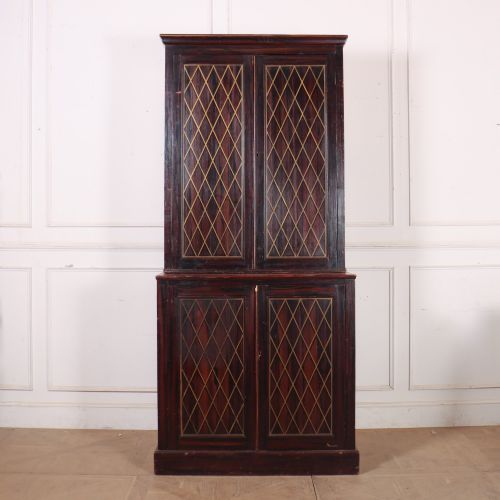


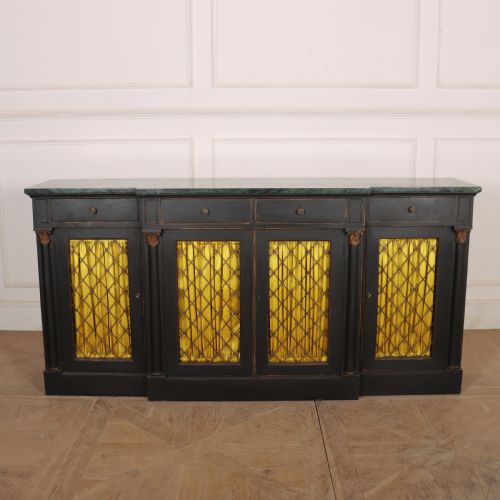
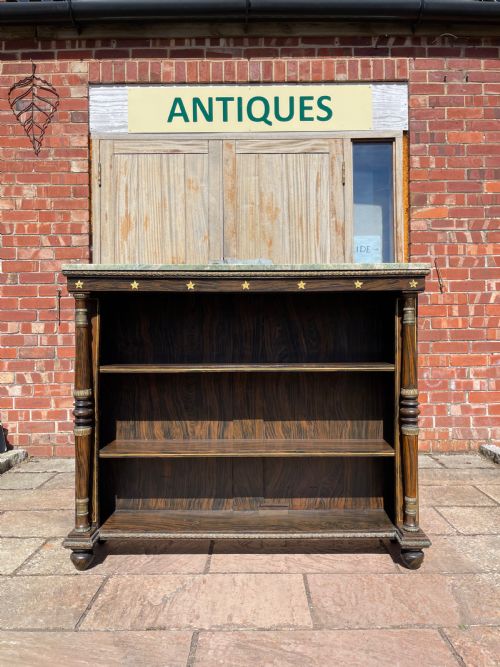

Regency Painted Bookcase
A regency painted bookcase brings architectural grace and surface colour to a room, offering open shelving for volumes alongside decorative charm.
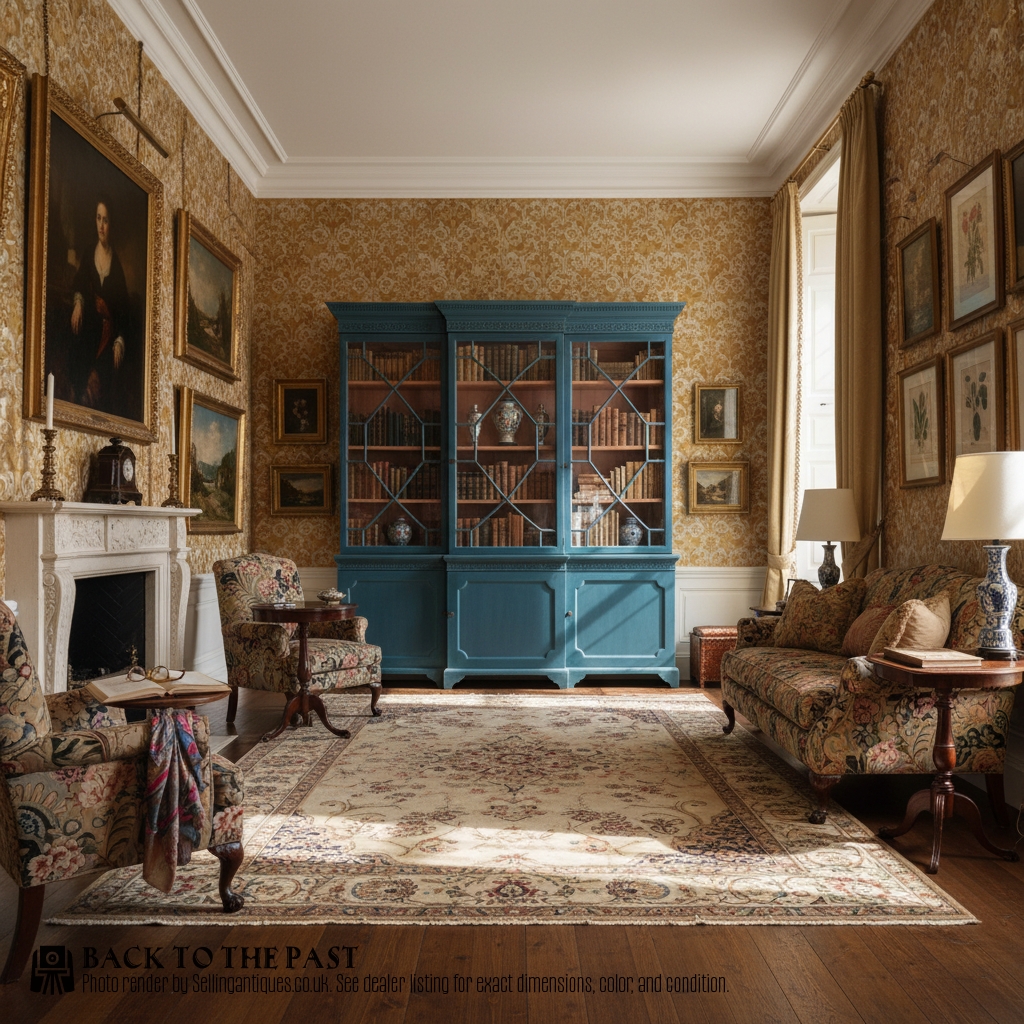
Regency Painted Bookcase
A regency painted bookcase is an upright storage piece designed for books and display, taking forms from open waterfall shelves to breakfront cabinets. Most examples seen across the listings combine pine and painted wood surfaces, often with simulated grain or dark finishes.
The objects span the nineteenth century, moving from genuine Regency origin into later Victorian revivals and twentieth century interpretations. Buyers encounter compact waterfall versions, dwarf bookcases, and grand architectural breakfronts with glass or open fronts.
Regional variations appear in the record, including Scottish pieces and English country house variants. Alongside standard bookcases, related forms like side cabinets, display shelves, and dresser bases emerge within the selection.
Materials and Construction
Construction relies heavily on pine and general wood carcasses built to house open shelves or enclosed cupboards. Makers applied paint, gilt, and simulated grain techniques such as rosewood imitation directly to the timber surfaces.
Detailing involves brass fittings and occasional glass panels for display doors. Surface finishes range from original painted schemes and grained treatments to later decorative applications.
Regency Painted Bookcase Retail Price Guide 2026
Typical asking prices for regency painted bookcase among the pieces listed under this phrase on Sellingantiques today, from the lower quarter to the upper quarter. They describe what is for sale here now, not the wider market.
The listings span the nineteenth century up to the 1930s, utilising painted wood, pine, brass, and glass across bookcase and cabinet forms.
Assessing Quality and Character
Quality rests in the survival of original painted surfaces and authentic graining, which separates early decorative work from later interventions. Proportions dictate desirability, particularly in smaller waterfall formats and balanced breakfront configurations.
The sophistication of the painted finish, whether handling Chinoiserie motifs or simulated exotic woods, defines the character of the piece. Clean architectural lines and well-proportioned shelving elevate the standing of an individual cabinet.
The Regency Painted Bookcase Glossary
- Waterfall bookcase
- A tiered open shelving unit where each successive shelf steps back from the one below. These pieces often feature a small drawer at the base.
- Breakfront
- A cabinet design where the central section projects forward from the flanking wings. This format creates depth and visual rhythm across larger bookcases.
- Grained finish
- A painted surface treatment designed to imitate the appearance of expensive timbers like rosewood or mahogany. Artisans used specialised tools to drag and comb the wet paint.
- Chinoiserie
- European decorative style reflecting Chinese artistic traditions, often incorporating painted figures and landscapes. It appears on cabinets and display pieces.
- Dwarf bookcase
- A low shelving unit designed to sit beneath window height. These compact pieces offer accessible top surfaces for display objects.
Regency Painted Bookcase: Frequently Asked Questions
What is a waterfall bookcase?
A waterfall bookcase is a tiered shelving unit where the shelves diminish in depth from bottom to top, creating a stepped profile.
Many examples include a small drawer built into the lowest section beneath the open tiers.
How do I spot original paint?
Original painted surfaces show natural wear, stable craquelure, and integration with the underlying timber over decades of use.
Later overpainting often sits heavily on the wood without the patina of age.
Where should I place a dwarf bookcase?
Dwarf bookcases suit smaller rooms or spaces beneath windows because their low profile leaves wall space open above.
They provide accessible top surfaces for lamps and decorative objects alongside book storage.
How do I care for painted wood?
Painted wood surfaces require dusting with a soft dry cloth and protection from direct sunlight and excessive moisture.
Avoid modern chemical polishes that can soften or degrade historic paint layers.