



Painted Timber Bookcase
A painted timber bookcase brings together traditional utility and surface decoration, offering open shelving or glazed display for collections.
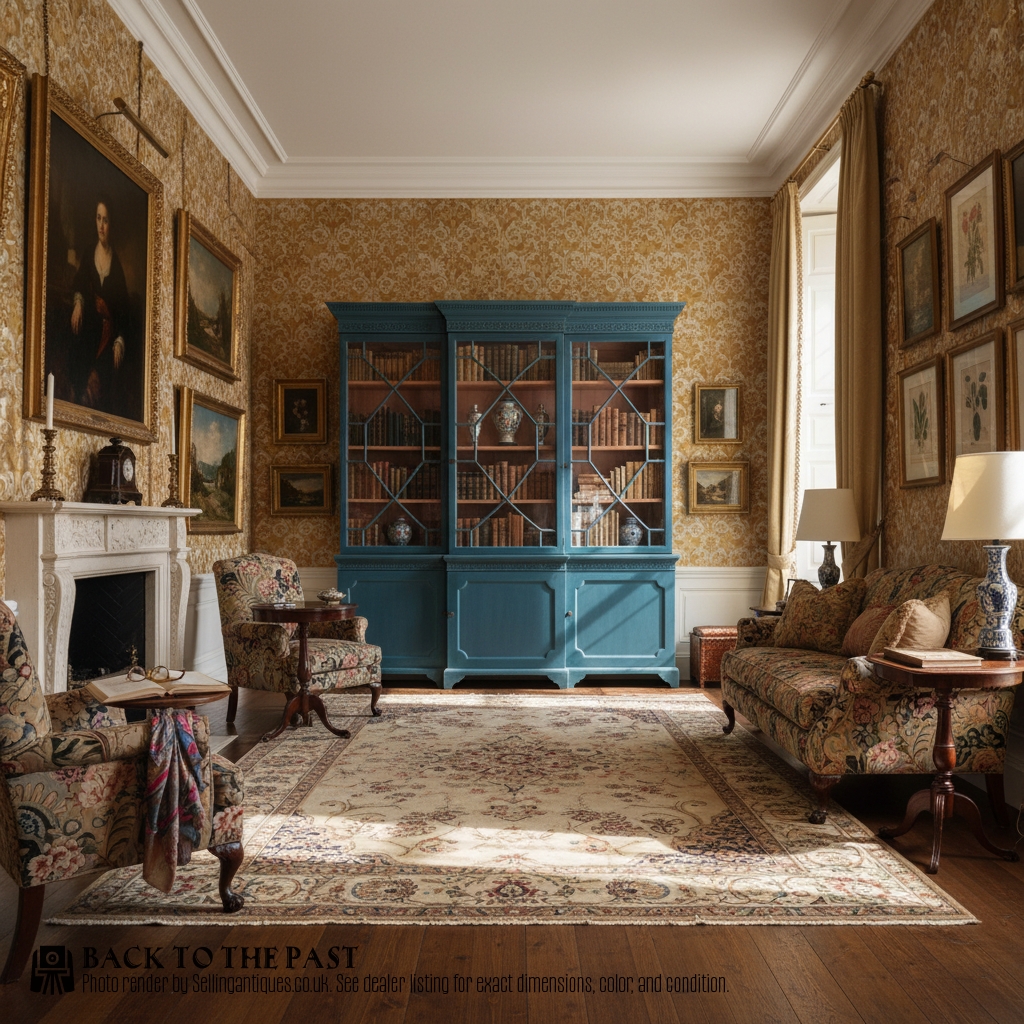
Painted Timber Bookcase
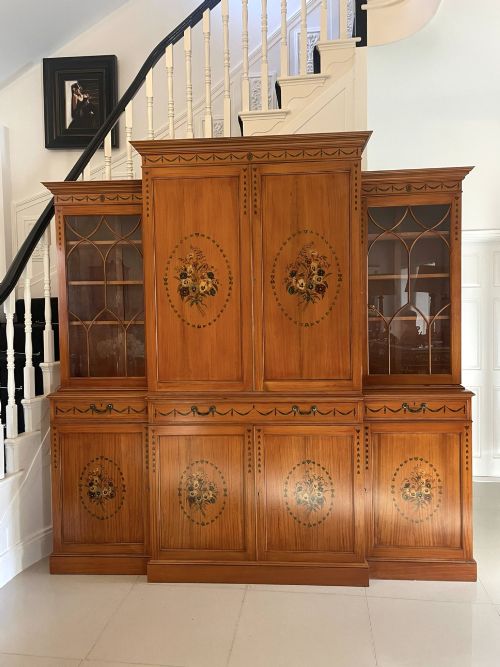
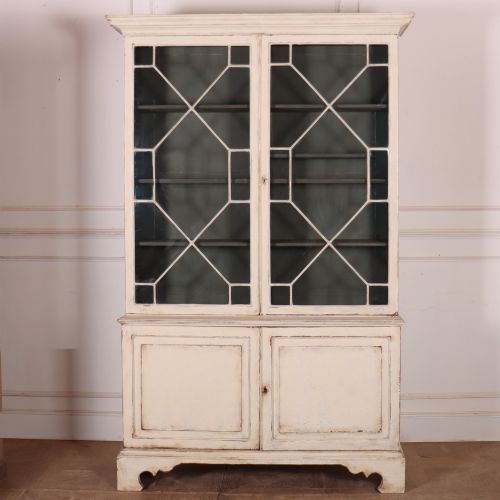
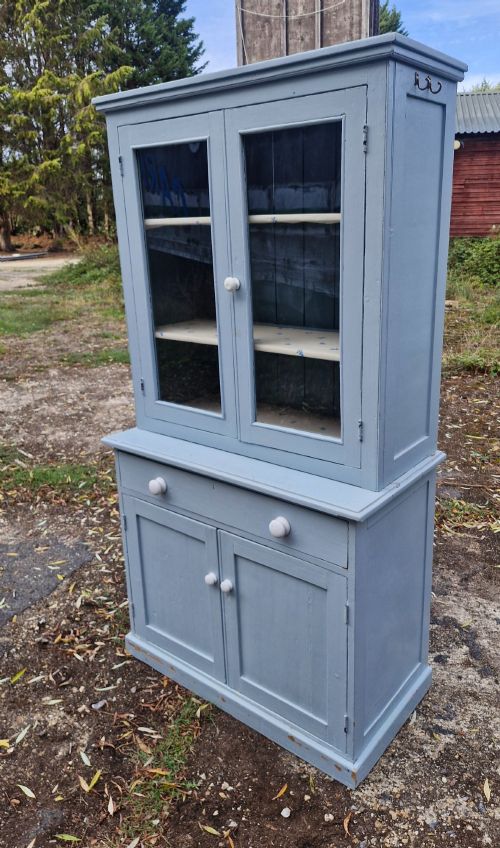
A painted timber bookcase provides domestic storage in forms spanning tall breakfronts, two-part kitchen cupboards, housekeeper's larders, and waterfall shelves.
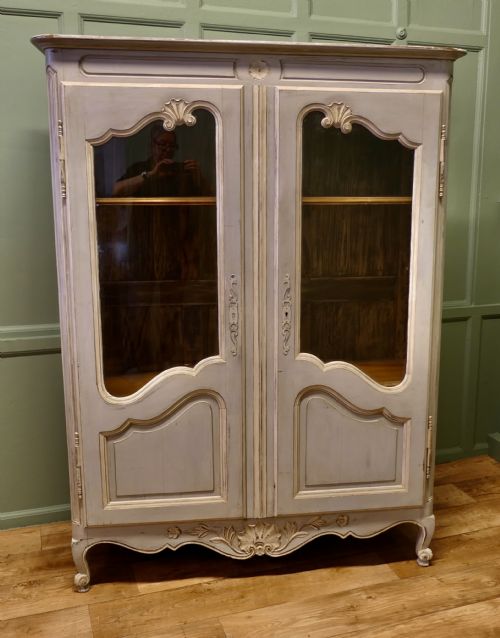
The painted timber bookcase appears frequently in English country, rustic farmhouse, French rococo, and Georgian revival styles across the nineteenth and twentieth centuries.
Buyers encounter everything from compact library stands and book troughs to large breakfront cabinets fitted with glass doors and brass hardware.
How they were made
Construction relies primarily on pine and satinwood, shaped into sturdy shelving units, double-door vitrines, and multi-part cupboards.
Surfaces receive layers of paint and original decorative finishes, sometimes combined with iron fixtures and brass details to secure doors and support glass panels.
Painted Timber Bookcase Retail Price Guide 2026
Typical asking prices for painted timber bookcase among the pieces listed under this phrase on Sellingantiques today, from the lower quarter to the upper quarter. They describe what is for sale here now, not the wider market.
A housekeeper's larder cupboard brings hidden domestic history straight into the modern living room.
What varies in quality
Quality rests on the integrity of the timber framing and the preservation of the original painted surface decoration over generations of domestic use.
Proportion and architectural presence separate simpler vernacular pieces from large breakfront forms and elaborate revival cabinets.
The Painted Timber Bookcase Glossary
- Breakfront
- A cabinet design where the central section projects forward from the flanking wings. This architectural arrangement adds depth and formal presence to larger library furniture.
- Vitrine
- A glass-fronted display cabinet intended for books or decorative objects. It protects contents from dust while maintaining full visibility.
- Waterfall bookcase
- A set of open shelves where the sides step back in a cascading profile from top to bottom. This form emerged during the nineteenth century for lighter reading materials.
- Book trough
- A small desktop or freestanding stand designed to hold a selection of volumes upright. These portable pieces served immediate reading needs in studies and libraries.
- Larder cupboard
- A tall storage piece traditionally used for provisions but adapted for general household utility. They often feature robust double doors and internal shelving.
Painted Timber Bookcase: Frequently Asked Questions
What periods do these bookcases come from?
The pieces span the eighteenth century, the nineteenth century, and into the twentieth century. Specific examples date from eighteen-ninety, nineteen-ten, and nineteen-thirty, alongside Edwardian productions.
Craftsmanship and decorative styles shift across these decades, reflecting changing domestic tastes in England and France.
What woods are used in their construction?
Pine and satinwood form the primary structural timbers for these items. Artisans applied paint directly to these woods, creating finishes that range from rustic surfaces to refined decorative schemes.
Secondary materials such as glass, brass, and iron appear in glazing, handles, and structural hardware.
How do I identify a revival style?
Revival pieces incorporate historical design motifs from earlier centuries, such as Georgian or Rococo details applied to later furniture forms. Makers referenced classical proportions while utilising the painting techniques of their own era.
Comparing the decorative hardware and timber preparation helps distinguish revival pieces from original period items.
Where were these pieces used?
They served in domestic spaces ranging from country kitchens and housekeeper rooms to formal libraries and drawing rooms. Smaller stands held active reading volumes, while large breakfronts stored extensive family libraries.
Their varied forms allowed them to function as workspace storage or prominent display furniture.