



Regency Octagonal Table
A regency octagonal table brings geometric form and refined proportion to a room, offering practical surfaces in timber and stone.
Regency Octagonal Table
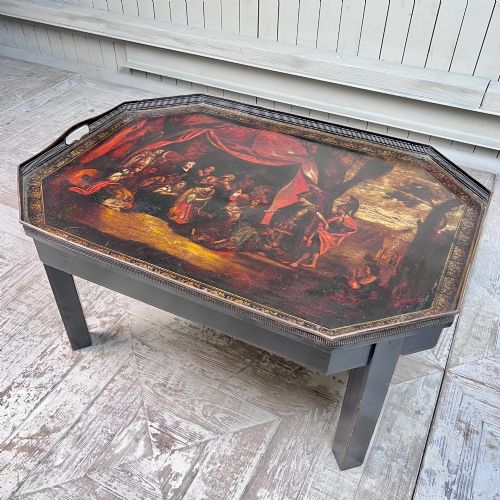
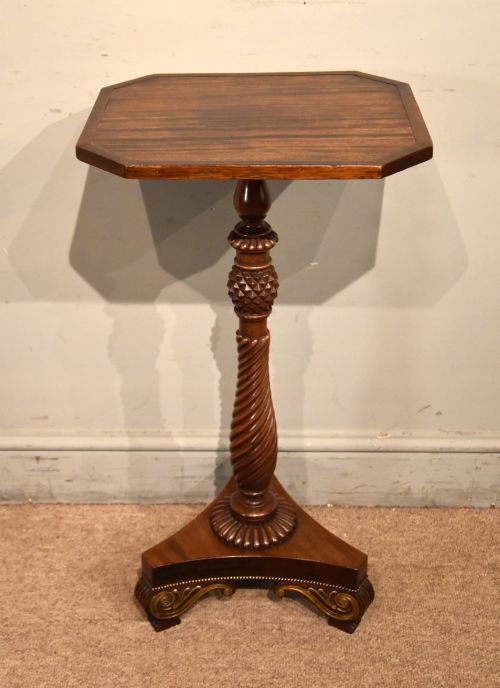
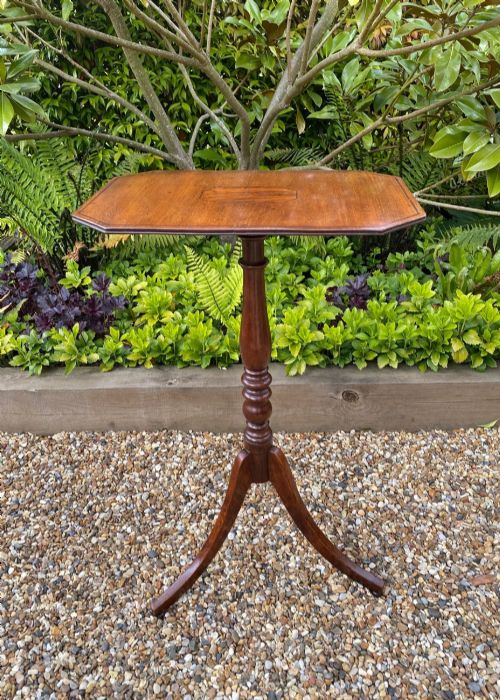
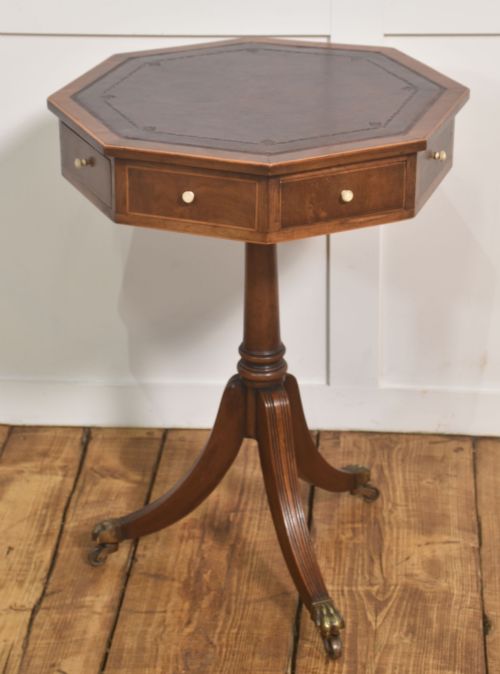
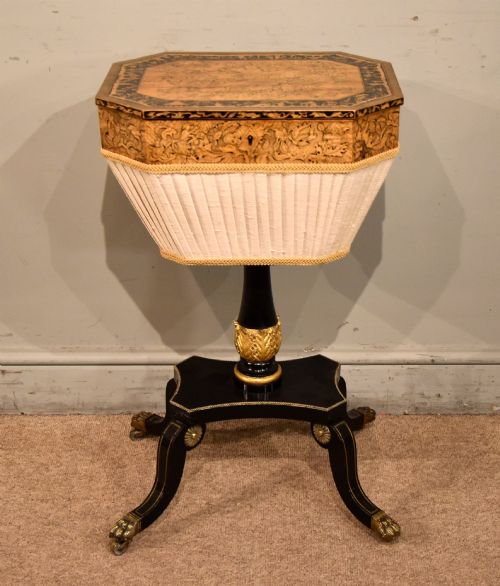
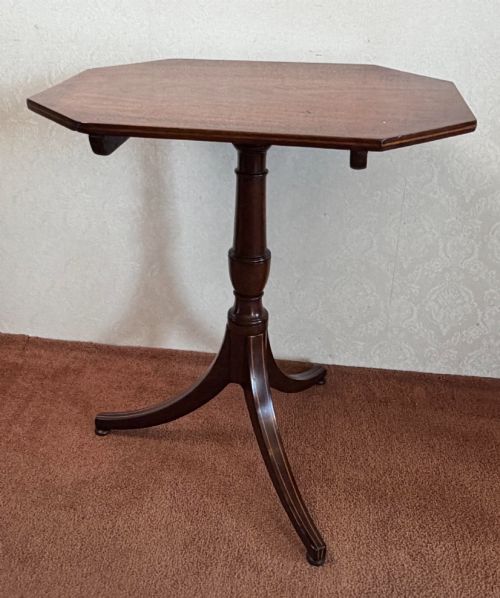
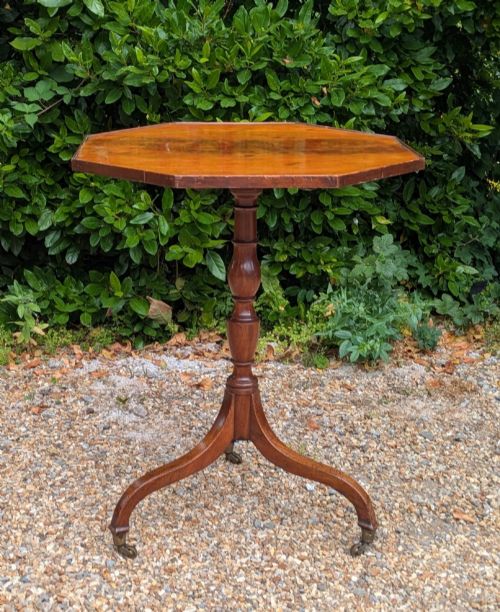
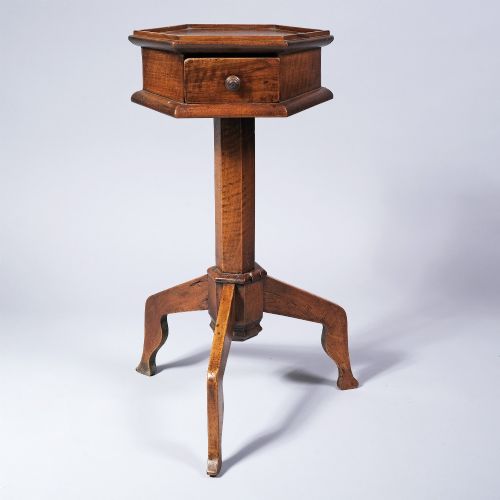
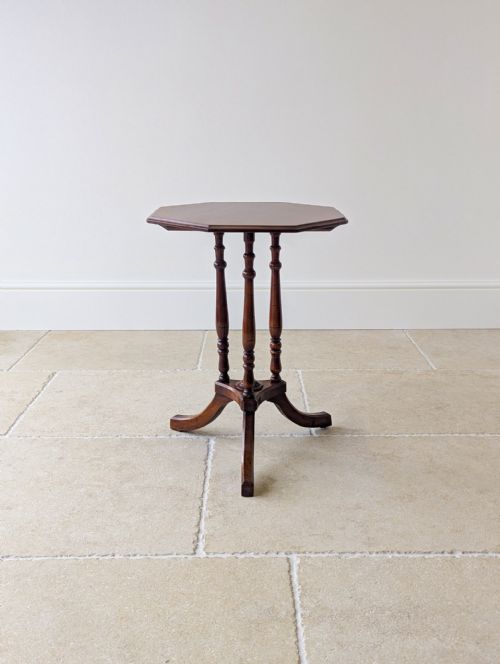
A regency octagonal table typically appears as an occasional piece, wine table, or work table from the nineteenth century. These forms span compact tripod stands and drum tables designed for domestic utility and display.
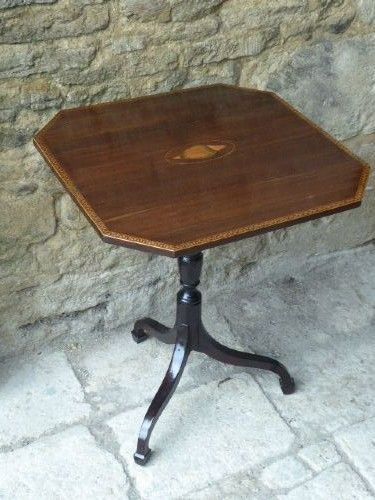
The evidence shows examples surfacing in mahogany, rosewood, and pollard oak, often featuring geometric eight-sided tops. Makers of the period adapted this multi-sided shape for sewing tables, breakfast pieces, and library use.
Buyers will encounter revival pieces alongside genuine period examples originating from the Georgian and William IV eras. The selections encompass tilt-top mechanisms, fitted interiors, and brass inlay reflecting the design vocabulary of the time.
How they were made
Cabinet makers utilised dense native and exotic timbers, applying flame mahogany veneer, rosewood, and satinwood over sturdy pine or oak carcases. Boxwood stringing and brass inlays provide sharp linear contrast to the dark wood grounds.
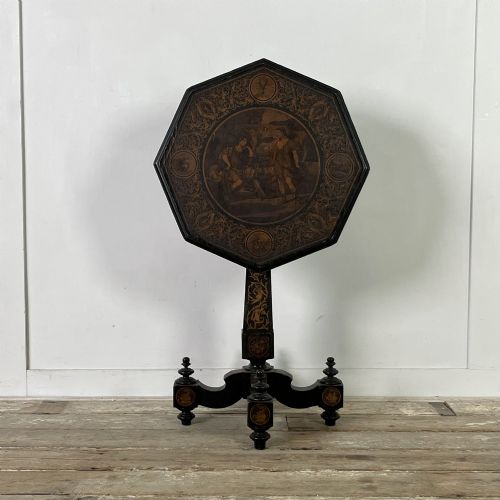
Many examples employ tilt-top actions supported by turned central pillars resting on tripod legs or platform bases. Specialised work tables incorporate internal compartments for sewing or writing, demonstrating intricate carpentry.
Form variations include teapoys, drum tables, sewing boxes, and chess boards.
What varies in quality
The standard of timber selection dictates the visual impact, with figured veneers and rich grain patterns elevating certain examples above plain counterparts. Figured mahogany and well-matched rosewood crossbanding denote superior workshops.
The precision of the inlay and the stability of the tilt mechanism reveal the original maker's skill. Finer pieces maintain crisp edge work on the eight-sided tops and smooth joinery throughout the pillar and base.
Gillows
The Regency Octagonal Table Glossary
- Tilt-top action
- A mechanical hinge system allowing the table top to pivot into a vertical position for storage. This mechanism was popular in dining and wine tables to save space.
- Tripod table
- A small freestanding table supported by a central pillar resting on three legs. They frequently feature pivoting tops for convenience.
- Crossbanding
- A strip of veneer applied perpendicularly to the grain of the main surface around the border. It creates a framed decorative effect on table tops.
- Teapoy
- A small box or chest mounted on a stand, designed to hold tea canisters. Many examples from the period incorporate octagonal or rectangular forms with internal compartments.
- Boxwood stringing
- Thin inlaid lines of light boxwood set flush into dark wood surfaces. This technique outlines geometric shapes and panels.
Regency Octagonal Table: Frequently Asked Questions
What is a regency octagonal table used for?
These tables served various domestic purposes including serving wine, needlework, and holding lamps or books in reception rooms. Their multi-sided tops provided a compact yet accessible surface for daily activities.
Today they function effectively as lamp tables or occasional surfaces next to seating. Their distinctive shape adds architectural interest to both traditional and modern interiors.
How do I identify a period piece?
Examine the timber species, construction methods, and hardware to determine age. Period pieces from the nineteenth century typically show hand-cut joinery and signs of genuine oxidation beneath the finish.
Look for characteristics like boxwood stringing, brass inlay, and traditional pillar supports. Revival pieces made later often display different internal construction techniques and uniform machine finishes.
Are tilt-top mechanisms original?
Tilt mechanisms on nineteenth-century tables were engineered to allow easy storage against walls when not in use. Original hardware generally matches the period's brass casting methods and fits the underside snugly.
Inspect the pivot block and catch for consistency with the rest of the table's construction. Replacement hinges or screws often indicate later repairs or adaptations.
How do I care for rosewood and mahogany?
Maintain these antique timbers by keeping them away from direct sunlight and sources of extreme heat. Excessive temperature fluctuations can cause the delicate veneers to crack or lift from the carcase.
Apply a traditional wax polish occasionally to nourish the grain and protect the surface. Avoid using modern silicone sprays or abrasive cleaners which can damage the antique finish.