
Regency Mahogany Drawer Cabinet
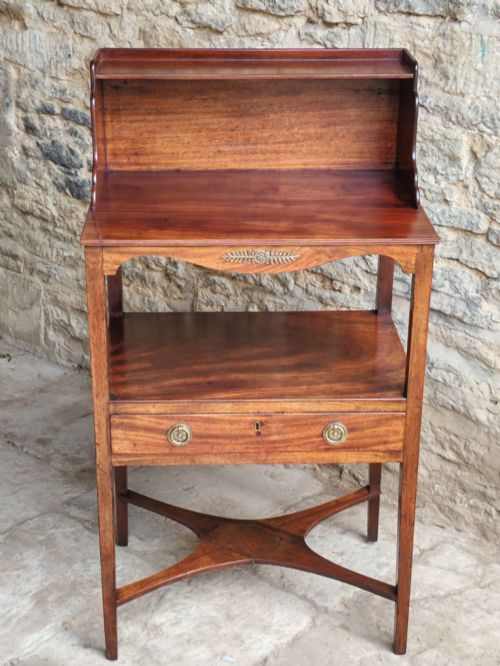
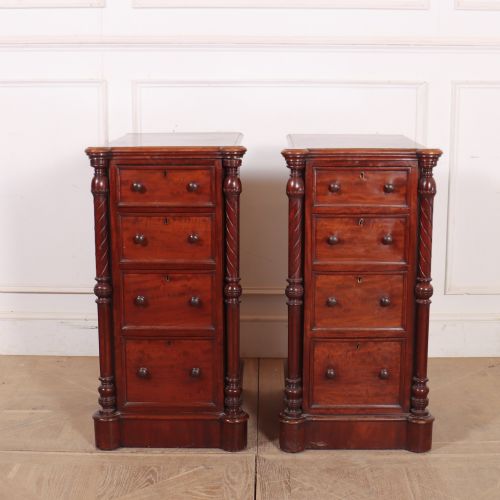
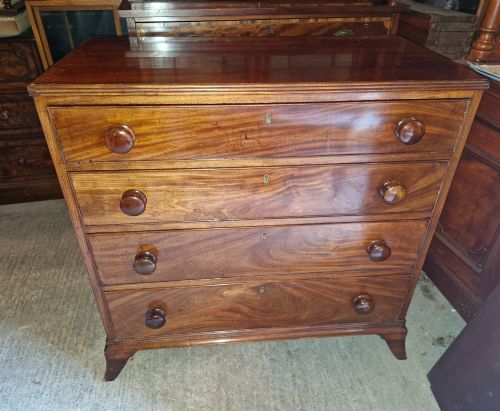
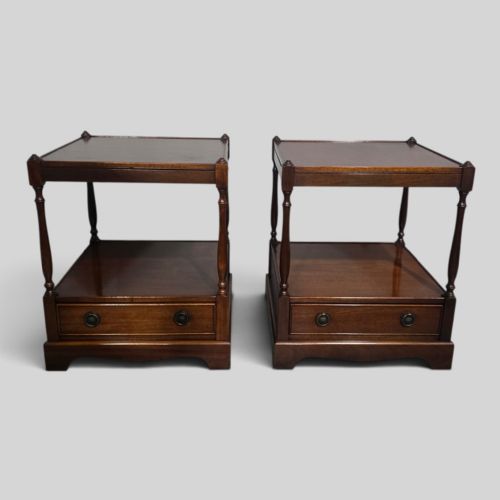
These pieces for a regency mahogany drawer cabinet combine functional storage with the rich grain of solid timber and veneer.
Regency Mahogany Drawer Cabinet
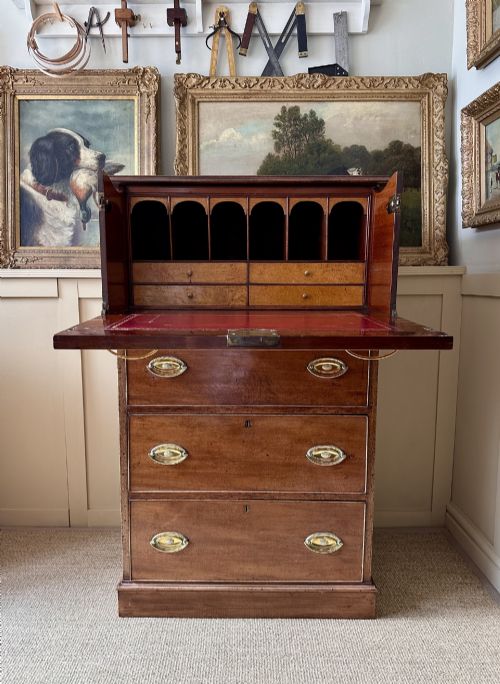
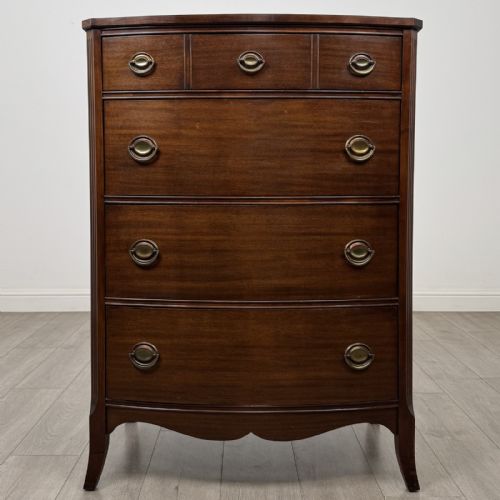
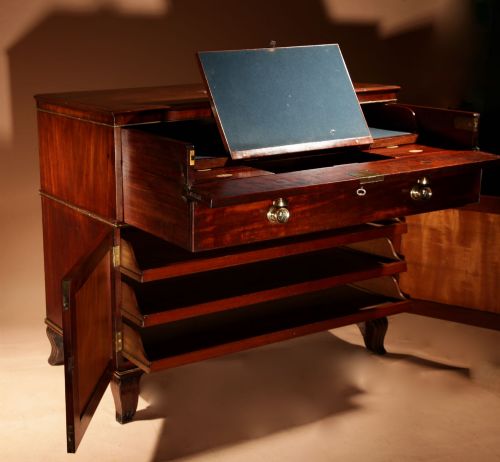
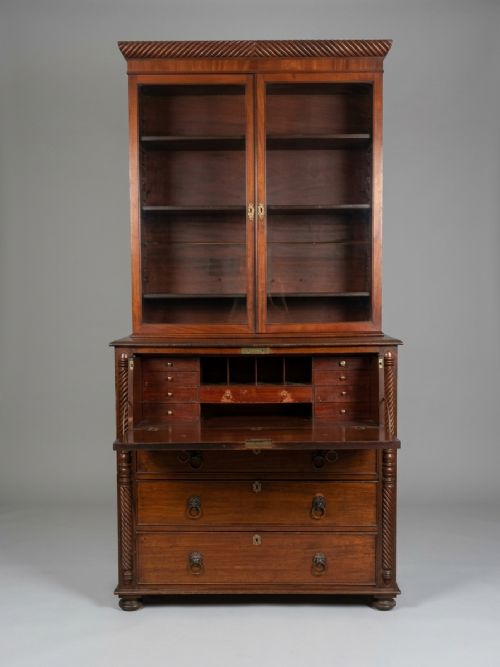
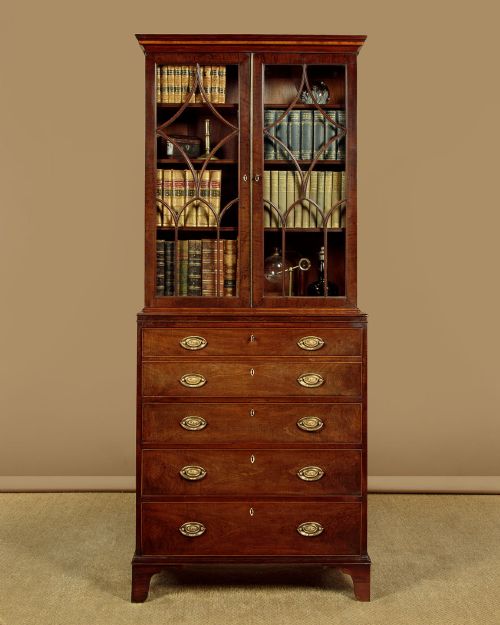
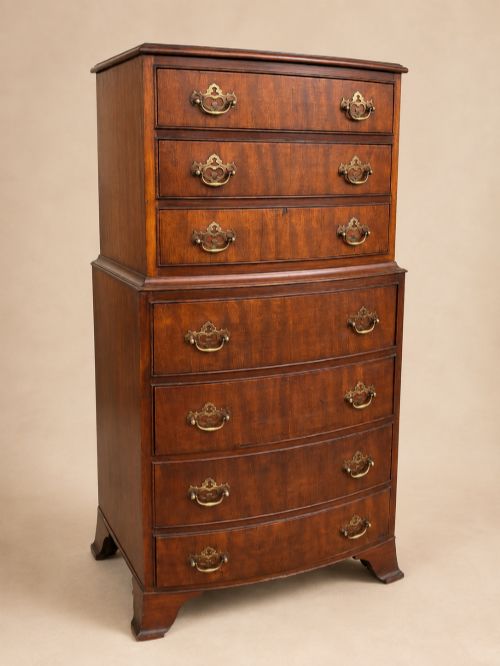
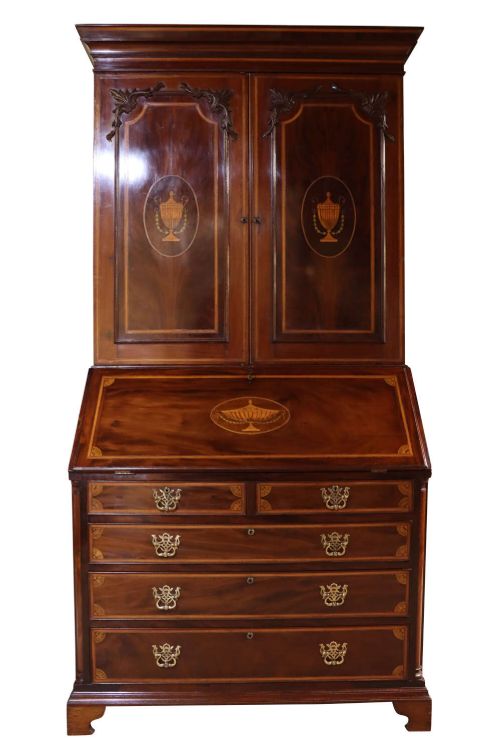
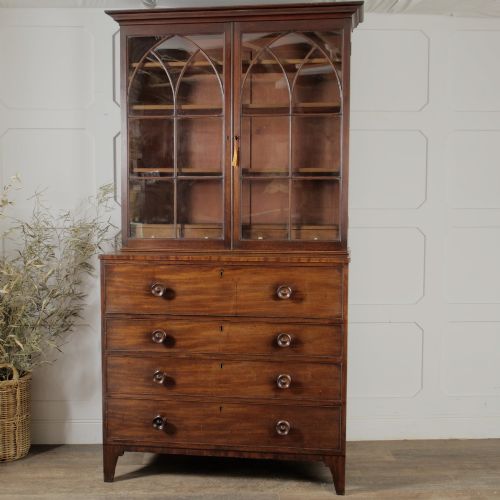
When you search for a regency mahogany drawer cabinet, you encounter a variety of forms including chests of drawers, secretaire desks, bedside tables and bookcases fitted with drawers. These items originate predominantly from the nineteenth century, encompassing the Regency, Georgian and William IV periods, alongside later twentieth-century interpretations.
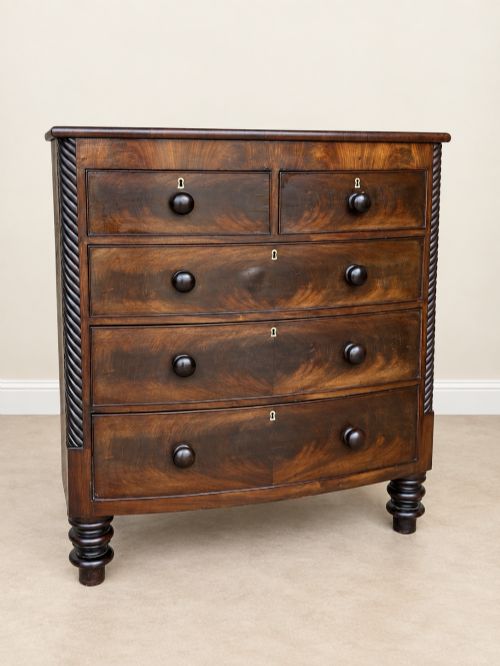
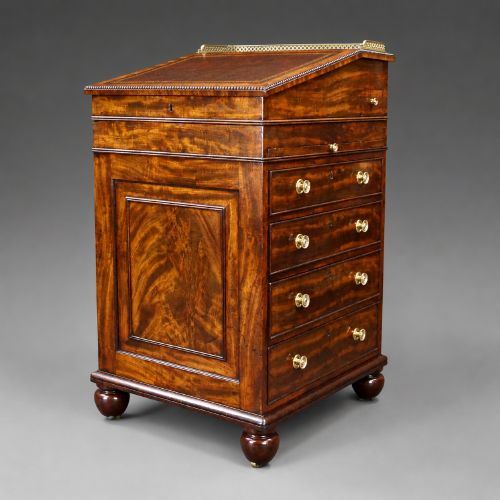
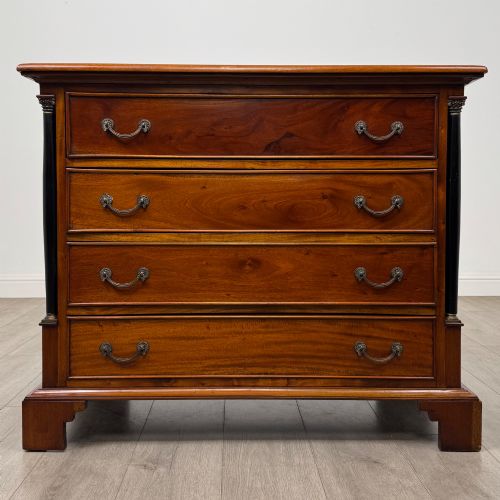
The version you are most likely to meet on this page is the chest of drawers or bedside table constructed from rich mahogany timber. Many examples display bow fronts or flat fronts, while others incorporate writing compartments or glazed upper sections.
Makers such as Gillows and George Simpson are represented in the archive and current selection, showing the range of cabinet-making traditions associated with these forms. The integration of drawers within bookcases and side cabinets demonstrates the multi-functional design typical of the era.
What varies in quality
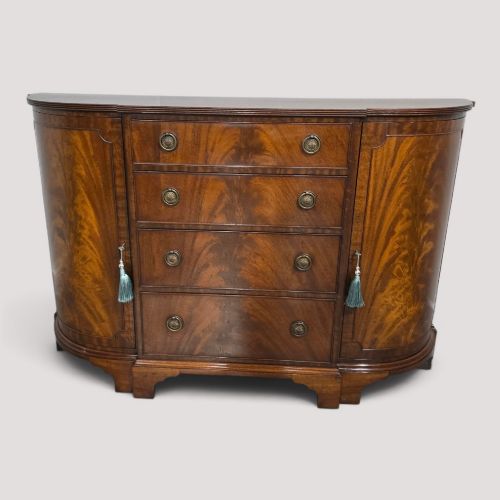
The standard of timber selection marks the difference between standard and superior pieces, with flame mahogany and figured veneers commanding greater visual presence. The crispness of carved details, blind fretwork cornices and inlay work indicates the skill of the original workshop.
Original hardware, such as brass pulls and locks, contributes to the integrity of a piece. The precision of drawer construction and the smoothness of operation distinguish finer cabinet work from simpler output.
Listings feature items from the eighteenth, nineteenth and twentieth centuries, using solid mahogany, flame mahogany veneer, brass, glass and leather.
Gillows·George Simpson
The Regency Mahogany Drawer Cabinet Glossary
- Flame mahogany
- A veneer cut from timber where the grain creates a flame-like or rippled pattern, highly prized for drawer fronts.
- Secretaire
- A cabinet or chest featuring a pull-out writing drawer containing small compartments and pigeonholes.
- Bowfront
- A curved front surface, commonly found on chests of drawers and sideboards of the period.
- Caddy top
- A raised, moulded table or chest top reminiscent of the lid of a tea caddy.
- Linen press
- A tall piece of furniture featuring upper doors enclosing sliding trays or shelves above a lower bank of drawers.
Regency Mahogany Drawer Cabinet: Frequently Asked Questions
How do I identify a Regency period piece?
Regency pieces often display classical proportions, subtle brass inlay and figured mahogany veneers. Look for architectural cornices and refined bracket feet or turned legs.
Cabinet makers of this era favoured clean lines combined with rich timber grains, distinguishing them from heavier Victorian designs.
What is a secretaire chest?
A secretaire chest resembles a standard chest of drawers from the outside, but the top drawer pulls down to reveal a fitted writing surface.
Inside, you find small drawers and pigeonholes for correspondence, offering dual functionality without altering the exterior silhouette.
How do I clean mahogany furniture?
Dust mahogany surfaces regularly with a soft, dry cloth to prevent the accumulation of grit. Avoid silicone-based polishes that can damage the finish over time.
Apply traditional beeswax occasionally to nourish the timber and maintain the natural lustre of the wood grain.
Are bedside tables always matched pairs?
While many bedside tables and chests appear as pairs, single pieces and unmatched small side tables also occur frequently in the listings.
Pairs usually originate from larger bedroom suites or were commissioned together for balanced interior placement.