


Regency Low Cupboard
A regency low cupboard brings architectural symmetry and warm timber grain to a room, offering practical surface space and concealed storage.
Regency Low Cupboard
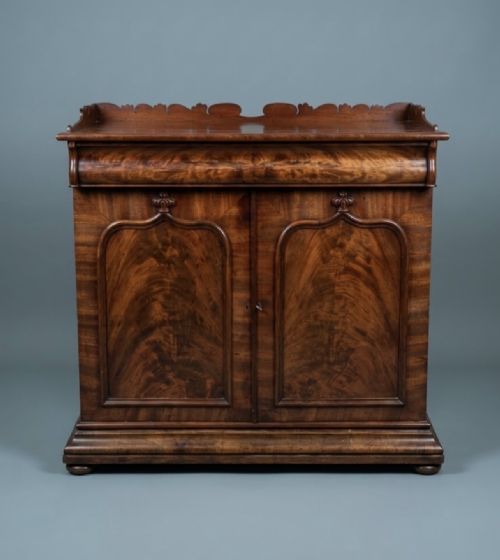
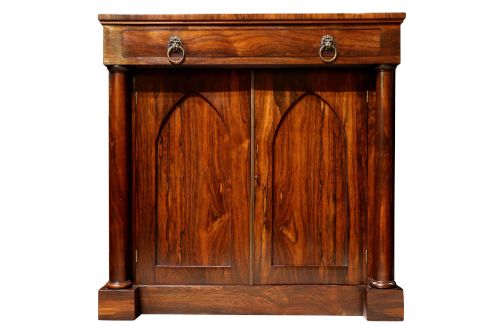
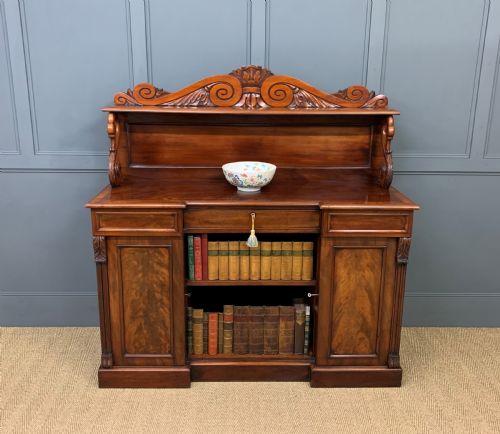
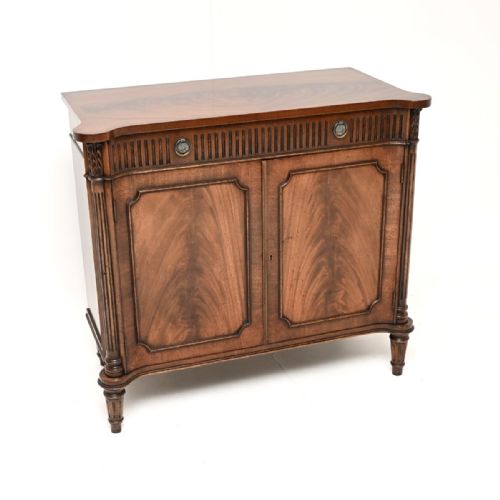
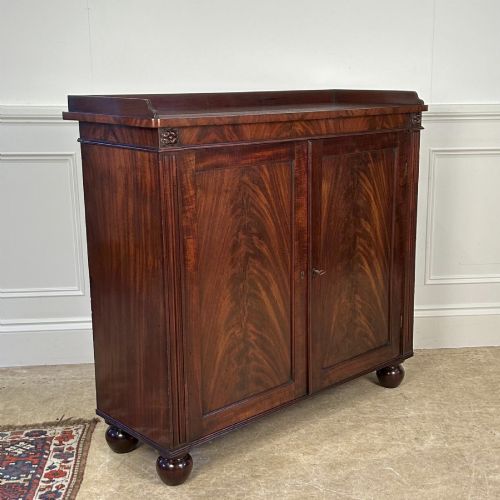
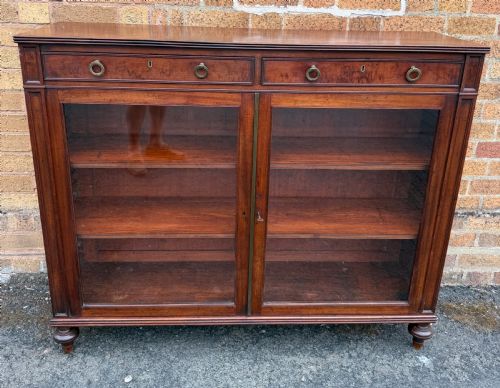
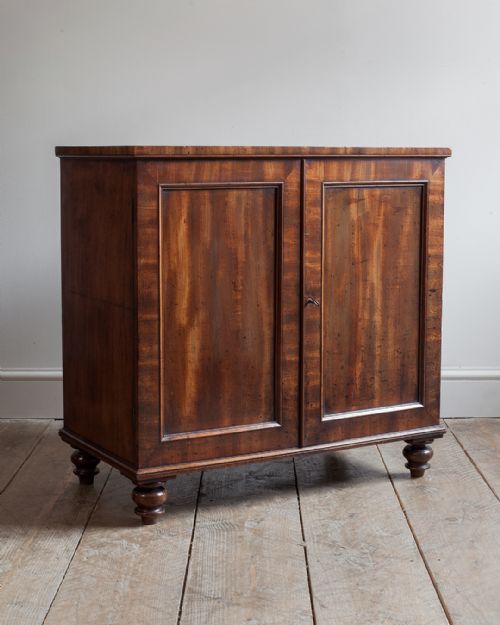
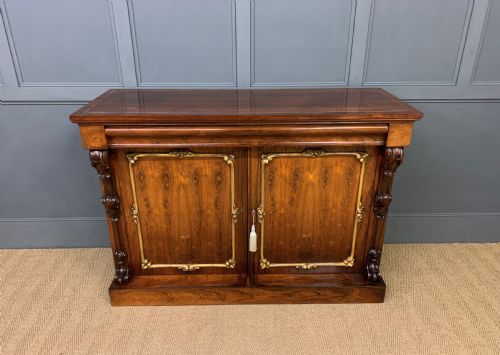
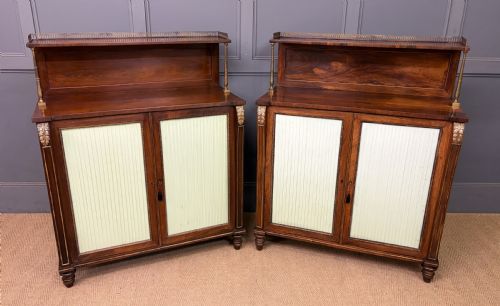
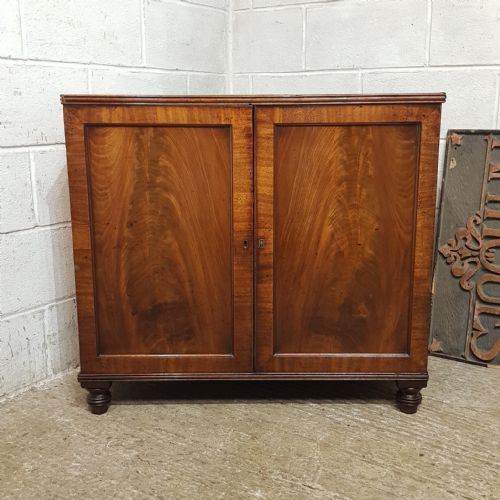
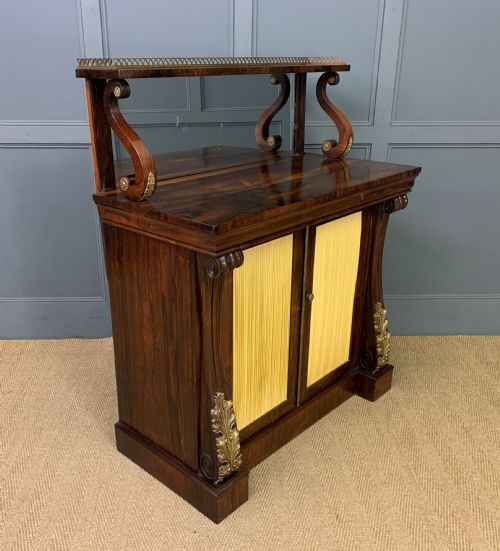
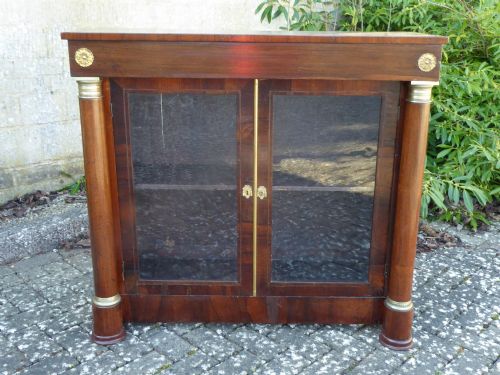
A regency low cupboard encompasses side cabinets, chiffoniers, dwarf secretaire cabinets, and linen presses produced during the early nineteenth century and subsequent Victorian interpretations. The version most frequently encountered on this page is the compact mahogany or rosewood side cabinet or chiffonier, often standing at a lower height with enclosed lower doors and sometimes upper shelving.
Makers and workshops of the period, notably Gillows, shaped these low forms in mahogany, flame mahogany, and exotic timbers like rosewood and amboyna. Styles span from strict Regency and George IV to William IV and later nineteenth-century revivals, reflecting the domestic requirements for discrete storage in dining rooms and morning rooms.
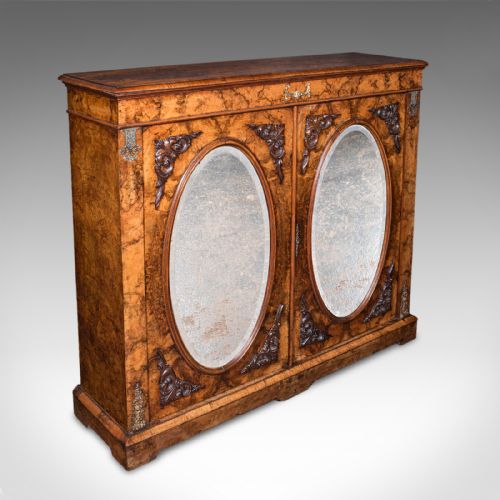
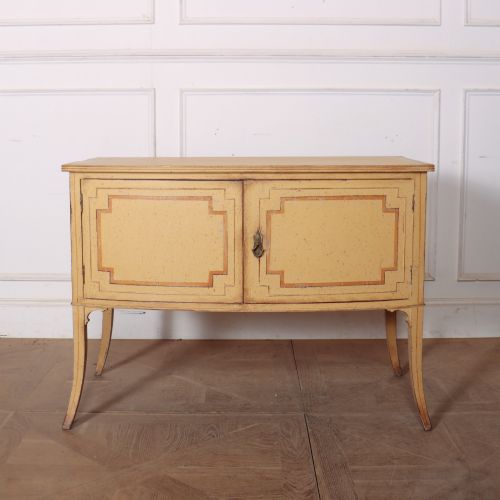
Pieces range from simple painted pine press cupboards to breakfront side cabinets adorned with brass inlay and ormolu mounts. The underlying structure adheres to the architectural tastes of the period, prioritising neat proportions and functional interior shelving.
Materials and Technique
Cabinet makers utilised dense native and imported timbers, applying flame mahogany veneer, rosewood, and amboyna over solid secondary woods to create striking surface patterns. Timber selection dictated the visual weight of the piece, with figured grains arranged symmetrically across doors and drawer fronts.
Brass inlay, ormolu mounts, and glazed doors were integrated into the timber carcase using traditional joinery and brass fastenings. Silk and pleated chiffon panels frequently backed the glazed or grille doors of chiffoniers, softening the overall appearance of the storage compartments.
Regency Low Cupboard Retail Price Guide 2026
Typical asking prices for regency low cupboard among the pieces listed under this phrase on Sellingantiques today, from the lower quarter to the upper quarter. They describe what is for sale here now, not the wider market.
Listings feature mahogany, rosewood, amboyna, and goncalo alves across Regency, William IV, and Victorian periods.
The Measure of Craft
The distinction between standard utility pieces and finer examples rests on the selection of timber veneers, such as well-matched flame mahogany or richly figured rosewood, and the precision of brass inlay. Finer cabinets display meticulous attention to grain alignment and timber selection across large flat surfaces.
Execution of decorative details like pen-work, carved panel mouldings, and integrated brass mounts separates standard production from workshop-attributed pieces. The integrity of the original carcase, hinges, and fitted interiors further defines the standing of an individual low cupboard.
Gillows
The Regency Low Cupboard Glossary
- Chiffonier
- A low cabinet featuring enclosed doors below, sometimes surmounted by a small shelf or bookcase structure. This form evolved during the Regency period to serve dining and drawing rooms.
- Flame mahogany
- A veneer cut from the fork of the mahogany tree where the branch meets the trunk. This technique produces a distinctive, flamy, undulating grain pattern highly prized by nineteenth-century cabinet makers.
- Ormolu
- Gilded bronze applied as decorative mounts and feet on high-status furniture. It provides metallic contrast against dark tropical hardwoods.
- Breakfront
- A piece of furniture where the central section projects forward from the flanking wings. This configuration breaks up long horizontal lines and adds architectural depth.
- Goncalo Alves
- A dense exotic hardwood with contrasting dark brown and light golden-brown figuring. It was occasionally selected for specialist Regency cabinetry.
Regency Low Cupboard: Frequently Asked Questions
What is a regency low cupboard?
A regency low cupboard is a compact timber storage unit produced in the early nineteenth century, featuring enclosed doors and typically a low profile suitable for display or serving.
These pieces were constructed from timbers such as mahogany and rosewood, serving functional roles in dining rooms, morning rooms, and bedchambers.
How do I identify a regency piece?
Identification relies on observing characteristic proportions, classical architectural motifs, and period timber choices like flame mahogany and rosewood. Details such as brass inlay and Gothic panelled doors frequently point to the early nineteenth century.
Comparing construction methods and hardware against documented workshop pieces helps clarify the period of manufacture.
Where were these cupboards used?
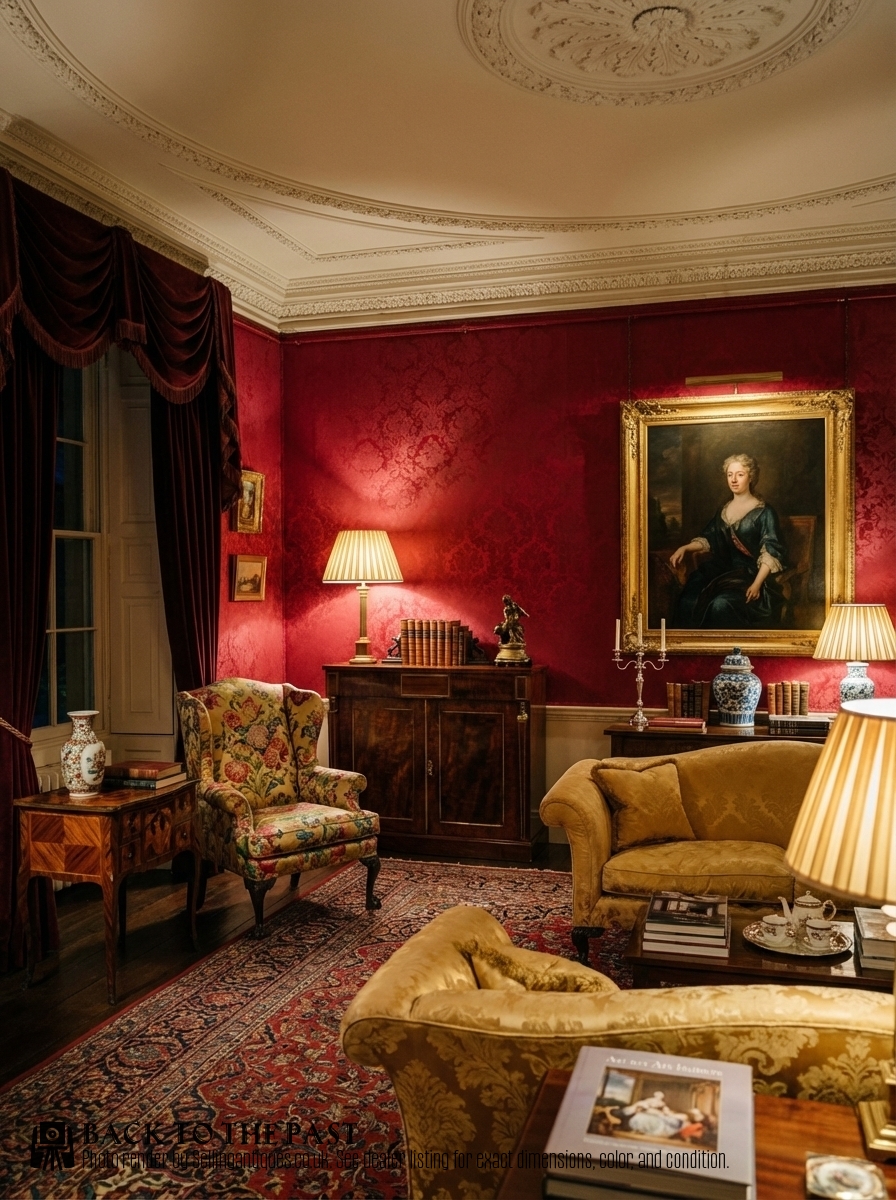
These low cabinets were placed in reception rooms, libraries, and morning rooms to store linens, books, or tableware while providing a surface for lamps and decorative objects.
Their reduced height allowed them to sit beneath windows or against panelled walls without obstructing natural light or artwork.
How do I care for rosewood furniture?
Rosewood surfaces benefit from a stable indoor environment away from direct sunlight and sudden temperature shifts to prevent timber movement and veneer lifting. Regular dusting with a soft, dry cloth preserves the polished finish.
Occasional application of appropriate wax feeds the dense tropical timber and maintains its natural sheen.